HS code lookup China: find your import tariff in 5 minutes with the USITC tool, Section 301 rates, and 2026 duty tables.
For Amazon FBA sellers, TikTok Shop creators, and wholesale buyers sourcing from China, getting your HS code right is the difference between a clean customs entry and a seized shipment — and between 0% and 32% in duty. This guide shows you how to look up your HS code, find your 2026 US import tariff, and avoid the classification mistakes that cost buyers thousands.
Quick Answer: To find your HS code and import tariff for China, search the WTO HS database or hts.usitc.gov by product keyword, confirm the 6-digit international code, then extend to the 10-digit US HTS code. Add the MFN rate, the Section 301 tariff (7.5–25% by HTS in 2026), and CBP MPF at 0.3464% (min $31.67).
What Is an HS Code and Why It Matters
The HS (Harmonized System) code is a 6-digit international classification maintained by the World Customs Organization (WCO) and used by 200+ countries to classify traded goods. China applies the full 10-digit HS code on exports, while the US extends it to a 10-digit HTS (Harmonized Tariff Schedule) code for imports. Getting the right code directly determines your duty rate, your customs clearance speed, and whether your shipment clears the border at all. For importers sourcing from China, the HS code is the single most important number on your commercial invoice — it drives the tariff, the Section 301 surcharge, the MPF fee, and your eligibility for duty drawback. The WTO HS database and the USITC HTS tool are the two authoritative references buyers rely on in 2026.
Step-by-Step: How to Look Up Your HS Code
Follow these 5 steps to find your HS code in under 5 minutes:
- Identify your product and material. Note exact material, function, and end use. A plastic kitchen spoon is classified differently from a stainless steel kitchen spoon.
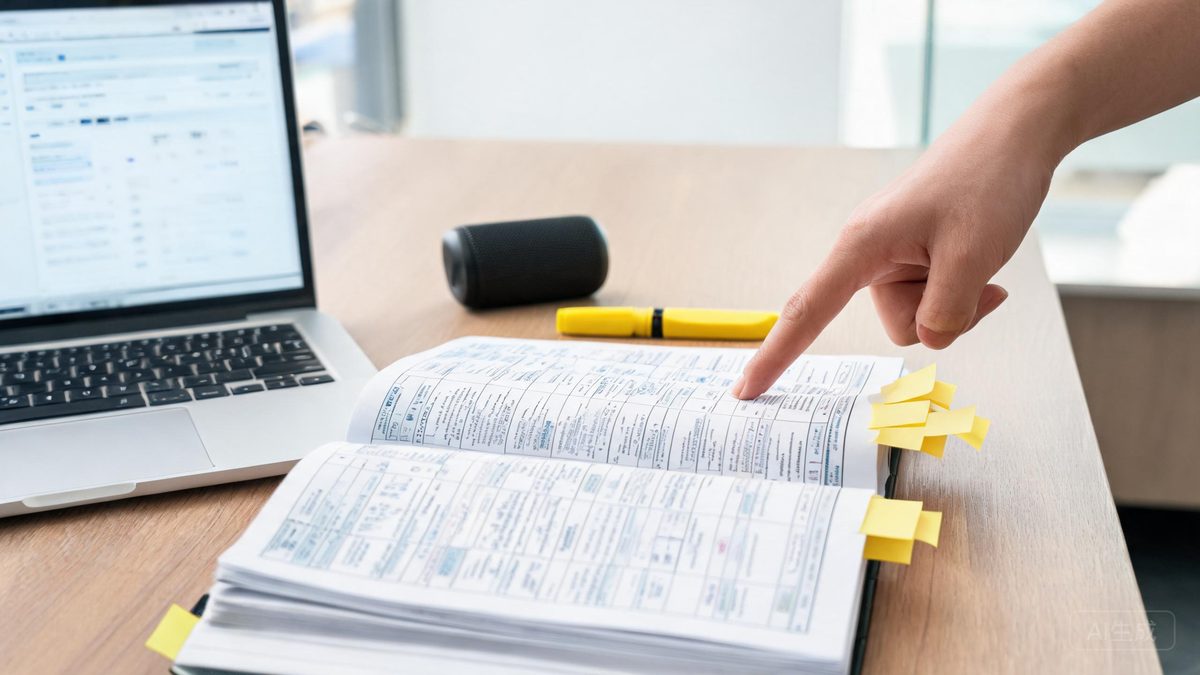
- Search hts.usitc.gov or the WTO HS database by keyword. Type "LED light," "cotton T-shirt," or "plastic kitchenware" to find candidate codes.
- Confirm the 6-digit international HS code. This part is global and recognized by both China customs and US CBP.
- Extend to the 10-digit US HTS code on hts.usitc.gov. The last 4 digits determine your exact US duty rate and Section 301 treatment.
- Cross-check with your supplier and customs broker. If your supplier's commercial invoice code differs from your broker's, request written clarification before shipment.
How to Find Your US Import Tariff Rate
Once you have your 10-digit HTS code, finding the total US import tariff from China takes 4 steps:
- Look up the MFN duty rate at hts.usitc.gov for your 10-digit HTS code — this is the base rate.
- Check for the Section 301 additional tariff. Search the USTR Section 301 list to see if your HTS code is covered, with rates of 7.5%, 15%, or 25%.
- Add CBP MPF at 0.3464% (ad valorem, min $31.67, max $614.35 per formal entry).
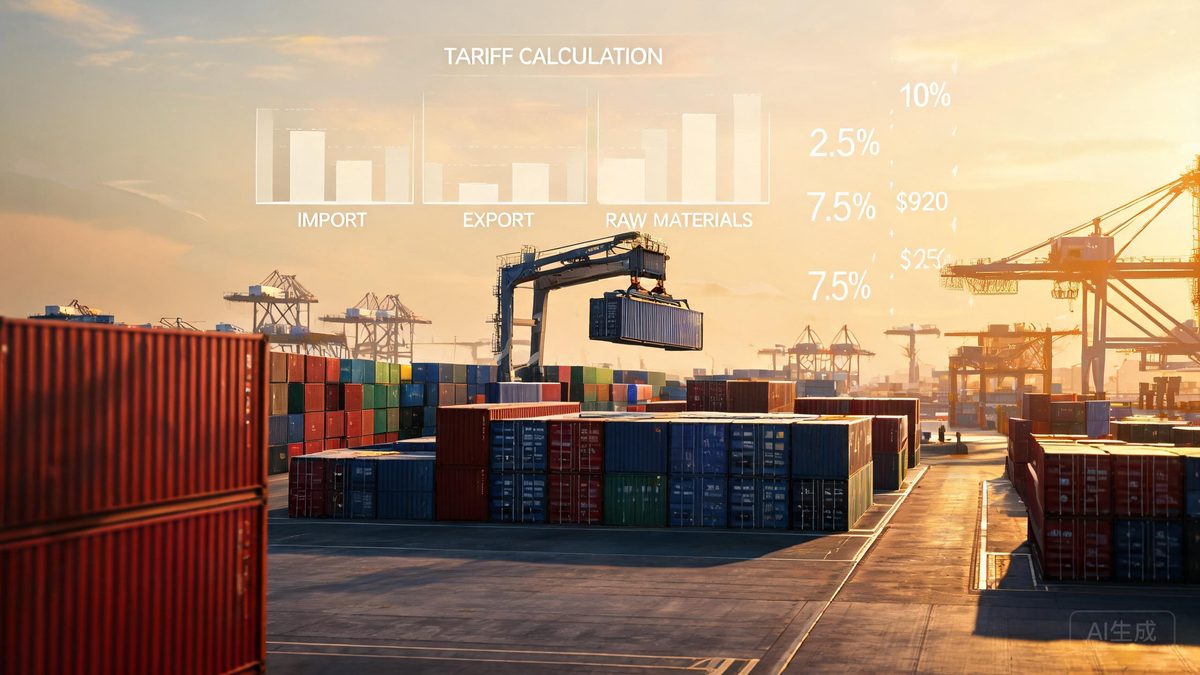
- Calculate total: Duty = (Customs Value × (MFN% + Section 301%)) + MPF.
In 2026, de minimis treatment for China goods is eliminated — every shipment now requires formal entry, regardless of value. Use the WTO HS database (hs.wcoomt.org) to verify the international 6-digit code and hts.usitc.gov for the US 10-digit rate.
Common HS Codes for Popular China Imports
Below are typical 2026 HS codes and US tariff rates for popular China import categories. All rates are indicative — always confirm your exact 10-digit HTS code on hts.usitc.gov before filing entry.
| Product Category | HS Code | 2026 US MFN Duty | Section 301 |
|---|---|---|---|
| Electronics (other electrical machines) | 8543.70 | 0%–25% | 7.5%–25% |
| Apparel (cotton T-shirts) | 6109.10 | 16.5%–32% | 7.5% |
| Plastic kitchenware | 3924.10 | 6.5% | 7.5% |
| Toys (non-electric) | 9503.00 | 0%–7% | 0% (excluded) |
| LED lights and fixtures | 9405.40 | 3.9% | 7.5% |
| Bluetooth speakers | 8518.22 | 4.5%–8% | 25% |
HS Code Mistakes That Cost You Money
Most first-time China importers make the same HS code errors. Avoiding these alone can save 10–30% of your total landed cost.
- Choosing the closest-sounding code without verifying exact material composition.
- Forgetting the Section 301 tariff on top of MFN — the biggest 2026 surprise for new importers.
- Using the 6-digit international HS code for US entry instead of the 10-digit HTS code.
- Trusting the supplier's commercial invoice code without independent verification.
- Missing the de minimis change — all China shipments now need formal entry in 2026.
- Misclassifying multi-function goods (e.g., a Bluetooth speaker as a "speaker" vs. "Bluetooth device") — CBP applies the higher rate.
How Yeatru Can Help
Yeatru Sourcing classifies products daily for international buyers. Based in Yiwu with 75,000+ verified factory relationships, we handle the full pipeline: HS code lookup, supplier discovery, AQL 2.5 QC, and DDP shipping. Our transparent 3–8% commission covers all services — no hidden fees.
- Free HS code + 10-digit HTS lookup with every sourcing quote within 24 hours.
- Current 2026 Section 301 tariff verification by HTS code.
- Total landed cost calculation (EXW + freight + duty + MPF).
- Customs documentation and broker coordination.
- AQL 2.5 pre-shipment QC and DDP door-to-door shipping.
Frequently Asked Questions
1. How do I find my HS code?
Find your HS code by searching the WTO HS database for the 6-digit international code or hts.usitc.gov for the 10-digit US HTS code by keyword. Verify the code against your product's material and function. A sourcing agent can confirm the correct classification within 24 hours.
2. What is the difference between HS code and HTS code?
The HS code is the international 6-digit harmonized system used by 200+ countries. The HTS code extends to 10 digits for US imports and adds country-specific tariff lines. For China sourcing, the first 6 digits match globally; the last 4 determine your exact US duty rate.
3. How much is the US import tariff from China?
In 2026, US import tariffs on China combine the MFN rate (0% to 32% by product) plus Section 301 tariffs of 7.5% to 25% by HTS code, plus CBP MPF at 0.3464% (min $31.67). Apparel can reach 32% while some toys are 0%. Total duty depends on your HS classification.
4. What is Section 301 tariff?
Section 301 tariffs are additional duties the US imposes on Chinese imports since 2018 over intellectual property and technology transfer disputes. In 2026, rates range from 7.5% to 25% by HTS code, applied on top of normal MFN duties. Some categories like certain toys are excluded.
5. Can my sourcing agent find my HS code?
Yes. A reputable China sourcing agent classifies products daily and can confirm the correct 6-digit HS and 10-digit US HTS code, retrieve the current Section 301 rate, and calculate total landed duty. Yeatru provides this classification free with any sourcing quote within 24 hours.
6. What happens if I use the wrong HS code?
Using the wrong HS code triggers CBP penalties, duty back-payments with interest, shipment delays, and possible seizure. Misclassification, even unintentional, can cost 2 to 4 times the original duty under 19 USC 1592. Always verify with a customs broker or sourcing agent before filing entry.
Conclusion
The right HS code is the difference between a 0% and 32% tariff — and between a clean customs entry and a seized shipment. For buyers serious about landed cost and compliance, verifying your HS code with a sourcing agent before shipment pays for itself many times over. Get a free HS code and total tariff quote from Yeatru within 24 hours.