What Is China Export Customs Clearance?
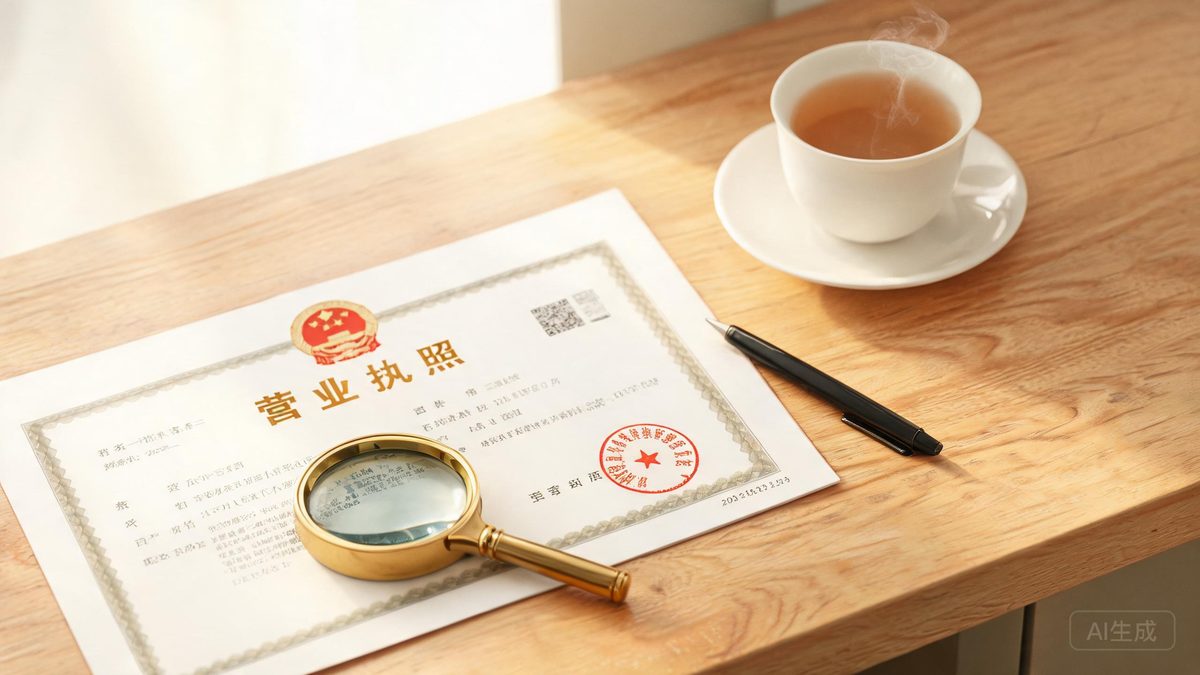
China export customs clearance (出口报关) is the mandatory declaration of goods to China Customs (中国海关) before they leave the country. It confirms the goods are legal to export, classifies them by HS code, and records the value for VAT rebate and statistics. Whether you ship by sea from Ningbo or air from PVG, your cargo cannot board until China Customs releases it. For foreign buyers without a Chinese import/export license, the factory's trading company or a third-party export agent handles this as the exporter of record.
Export Documents Checklist
| Document | Purpose | Who Provides |
|---|---|---|
| 报关单 (Export Declaration Form) | Official declaration to China Customs (HS code, value, quantity) | Customs broker / export agent |
| 商业发票 (Commercial Invoice) | Proves transaction value for duty/rebate | Exporter of record |
| 装箱单 (Packing List) | Carton count, weight, dimensions | Factory / exporter |
| 提单 / AWB (Bill of Lading) | Contract of carriage, title to goods | Shipping line / airline |
| 原产地证 (CO / FORM A / E) | Country of origin; preferential tariff at destination | CCPIT / Customs |
| 商检 (CIQ Inspection Cert) | Mandatory for food, wood, cosmetics, regulated goods | CIQ-accredited lab |
| Product test reports | FCC, CE, CPC, RoHS — for destination compliance | Factory / third-party lab |
The 4-Step Export Clearance Process
- Document preparation (0.5–1 day) — the factory or export agent gathers invoice, packing list, BL draft, CO, and product certs.
- Electronic declaration (same day) — a licensed customs broker files the 报关单 via China Customs' EDI system at the port of export (Ningbo, Shanghai, Shenzhen Yantian, Guangzhou).
- Inspection (optional, 0–2 days) — Customs selects ~5%–10% of shipments for physical inspection (X-ray or open-box) based on HS-code risk, value, and shipper history.
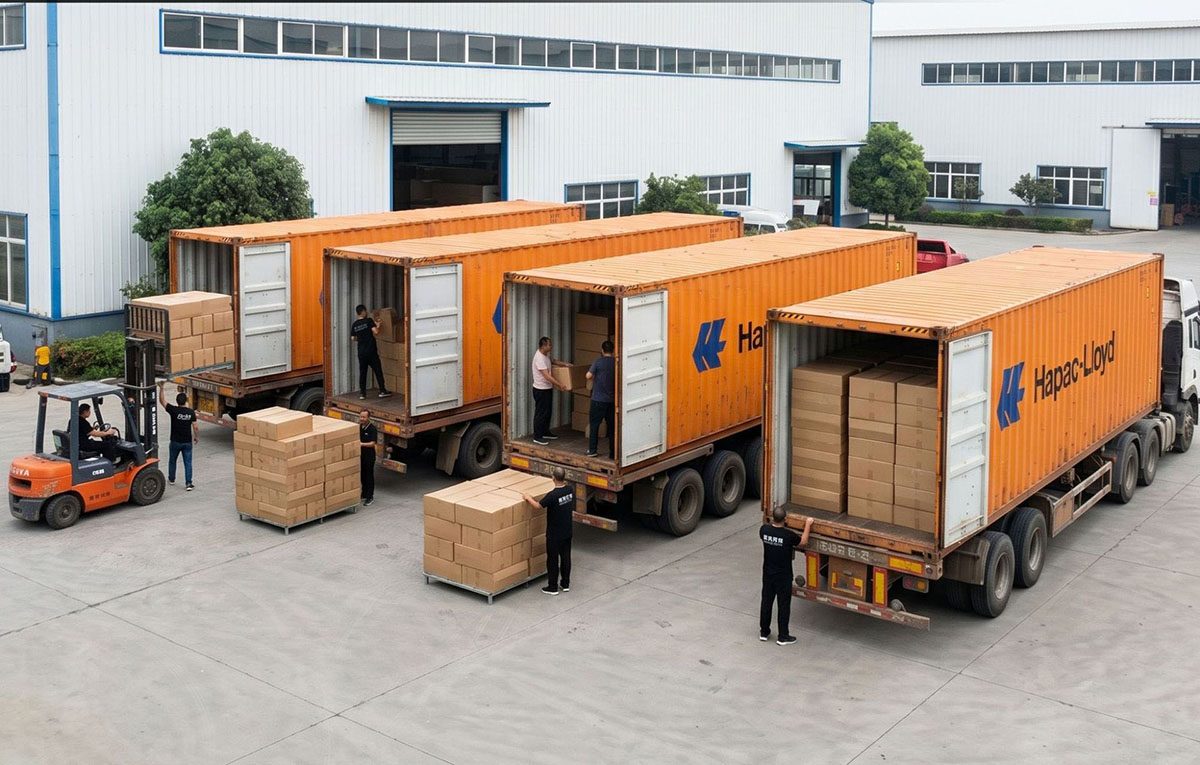
- Release & loading (same day) — on release, cargo gates into the port and loads onto the vessel/aircraft. The broker sends the verified BL/AWB.
Total clearance: 1–2 days standard; 3–5 days if inspection or CIQ applies. Peak season (Sep–Dec) adds 1–2 days of port congestion.
The Export Agent's Role
Most foreign buyers don't hold a Chinese 进出口经营权 (import/export license). In that case:
- The factory's own trading company (外贸公司) acts as exporter of record — included in most FOB quotes.
- Or a third-party export agent files the declaration, issues the commercial invoice in their name, and handles the VAT export rebate (退税).
- Agent fee: $40–$150 per shipment or 0.5%–1% of FOB value. They absorb the compliance risk and rebate paperwork.
For DDP shipments, the forwarder usually bundles export clearance into the all-in rate, so you won't see a separate agent line item.
Worked Example: Yiwu Order Export via Ningbo
A US buyer imports 2,000 silicone kitchen tools (EXW $1.80, 6 cbm) from a Yiwu factory, FOB Ningbo.
- Yiwu factory's trading company acts as exporter; prepares invoice, packing list, and BL draft.
- Inland truck Yiwu → Ningbo: $120 (1 day).
- Ningbo customs broker files declaration; goods selected for wooden-pallet CIQ inspection (fumigation cert) — 1 extra day, $60.
- Customs releases; cargo loads on Maersk line to Long Beach.
- Total export clearance: 2 days, $180 (trucking + CIQ + broker fee).
The CO and FORM A were issued by CCPIT in Yiwu ($15 each), reducing the US import duty from 7.5% to 0% under the de minimis / GSP treatment — saving $270 on a $3,600 shipment.
Common Export Clearance Issues
- Wrong HS code — using a lower-duty code to evade duty is smuggling (走私). Penalty: fine + cargo detention + potential criminal liability. Always verify the 10-digit China HS code against the official database.
- Under-declared value — declaring $1 when the real value is $5 triggers a customs valuation review and fines of 30%–100% of the under-declared amount.
- Missing CIQ for regulated goods — food, wooden packaging, cosmetics, toys, and batteries all need inspection certificates; missing them holds the container.
- No CO / preferential certificate — missing FORM A/E means you pay the full MFN duty rate at destination instead of 0%–5%.
- Brand/IP issues — branded goods without authorization get seized at export; register your brand with Chinese customs (知识产权备案) to prevent counterfeits leaving, or get a brand authorization letter.
How Yeatru Handles Export Clearance
Yeatru manages export clearance as part of our DDP shipping and FOB services:
- Act as exporter of record via our Yiwu trading company (for clients without a China license).
- Verify the correct HS code before declaration to avoid under-declaration risk.
- Arrange CIQ inspection and product certifications (CPC, FCC, CE) for regulated goods.
- Issue CO and preferential certificates (FORM A/E) through CCPIT to minimize destination duty.
- Real-time clearance status from declaration to release.
Frequently Asked Questions
1. What documents are needed for China export customs clearance?
Core set: (1) commercial invoice, (2) packing list, (3) BL or AWB, (4) export declaration form (报关单), (5) certificate of origin (CO, or FORM A/E for preferential tariff), and (6) product-specific certificates — CIQ for food/wood/cosmetics, test reports for electronics/toys, and export licenses for restricted goods.
2. Do I need an export agent to clear China customs?
If you don't hold a Chinese import/export license, yes — the factory's trading company or a third-party export agent acts as exporter of record. They file the declaration, issue the invoice, and handle VAT rebates. Fees are $40–$150 per shipment or 0.5%–1% of FOB value.
3. What is the export customs clearance process in China?
(1) Supplier/agent prepares documents; (2) licensed broker files electronic declaration with China Customs at the export port; (3) Customs may inspect (random/targeted); (4) on release, cargo loads. Total time for compliant shipments is 1–2 days.
4. Which HS code do I use for export from China?
Use the 10-digit China HS code assigned to your product, determined by the supplier or export agent based on composition and function. Misclassifying to lower duty is under-declaration and treated as smuggling. Verify against the official database — see our HS code lookup guide.
5. What is a certificate of origin (CO / FORM A / FORM E)?
A CO certifies country of manufacture and is required by most destination customs. FORM A and FORM E are preferential certificates that reduce or eliminate import duty (EU, ASEAN, etc.). CCPIT or China Customs issues them; FORM E can cut ASEAN duty to 0%–5%.
6. How long does China export customs clearance take?
Normally 1–2 days for compliant, complete-document shipments. Physical inspections add 1–2 days. Peak season (Sep–Dec) stretches clearance to 3–4 days due to port congestion. Missing certificates or HS-code disputes can hold cargo for 5–10 days.
Conclusion
China export clearance is a 1–2 day process built on a complete document set, a correct HS code, and an exporter of record (factory trading company or export agent). The biggest risks are wrong HS codes and under-declared values — both treated as smuggling with heavy fines. Always request a CO and preferential FORM A/E to cut destination duty, and factor in 2–5 extra days for CIQ on regulated goods. Ask Yeatru to handle your export declaration — we verify the HS code, arrange CIQ and certificates, and clear your cargo from Ningbo, Shanghai, Shenzhen, or Guangzhou with real-time status.