What Are Eco Certifications?
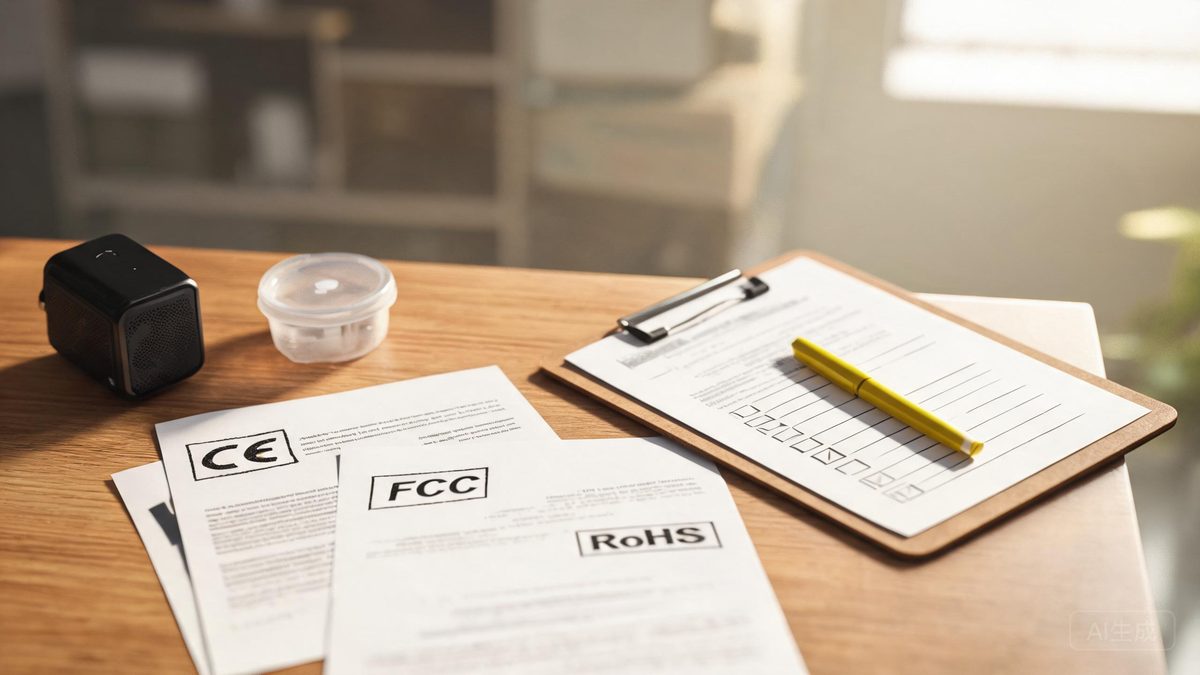
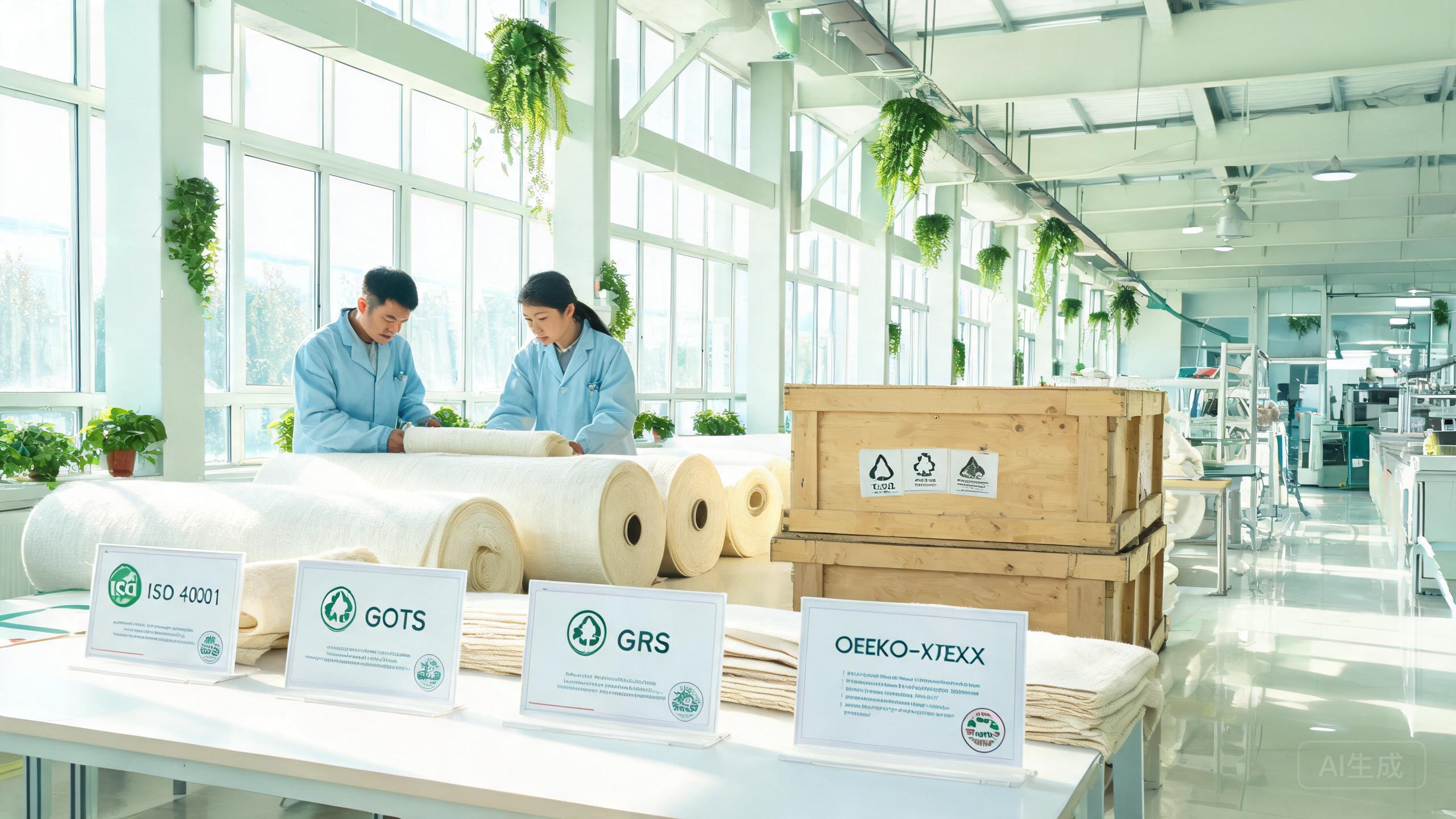
Eco (environmental) certifications are third-party-verified labels that prove a product or factory meets environmental standards — responsible forestry, organic fibres, recycled content, chemical safety, energy efficiency, or carbon neutrality. When you source from China, eco certifications matter for three reasons: market access (Amazon, Walmart, EU public procurement require them), brand protection (greenwashing claims need evidence), and regulatory compliance (EU CSRD, CBAM and EPR schemes create mandatory disclosure duties). The most relevant standards for China importers are ISO 14001 (factory environmental management), FSC (wood/paper), GOTS (organic textiles), GRS (recycled content), OEKO-TEX (textile chemicals), EPEAT and Energy Star (electronics). See also product certifications and ethical sourcing.
Category-to-Eco-Certification Table
| Product category | EU | United States | Global / voluntary |
|---|---|---|---|
| Textiles (cotton, apparel) | GOTS (organic), GRS (recycled), OEKO-TEX | GOTS, GRS, OEKO-TEX | OEKO-TEX, Bluesign |
| Wood, paper, packaging, furniture | FSC or PEFC | FSC or SFI | FSC CoC |
| Electronics (computers, phones) | EPEAT, EU Ecolabel | EPEAT, Energy Star | EPEAT |
| Home appliances | EU Energy Label | Energy Star | Energy Star |
| Food contact / biobased plastics | Compostable (EN 13432), EU Ecolabel | USDA Biobased, BPI compostable | OK compost |
| Factory environmental management | ISO 14001 / EMAS | ISO 14001 | ISO 14001 (GB/T 24001) |
| Overall social + environmental | EU Ecolabel | B Corp | B Corp, Cradle to Cradle |
ISO 14001 — Factory Environmental Management
ISO 14001 is the international standard for an Environmental Management System (EMS). It is the baseline eco certificate for any Chinese factory: it proves the factory identifies its environmental aspects (wastewater, air emissions, solid waste, energy use), sets reduction targets, and keeps records. China's equivalent national standard is GB/T 24001, which is technically identical to ISO 14001. For importers, a factory without ISO 14001 is a red flag — it may discharge untreated wastewater, skip hazardous-waste handling, or operate without an emissions permit. ISO 14001 certification costs $3,000–$10,000 for a small-to-medium factory and lasts 3 years with annual surveillance audits.
FSC — Forest Stewardship Council (Wood & Paper)
FSC certifies that wood and paper products come from responsibly managed forests. For China sourcing, the relevant certificate is FSC Chain of Custody (CoC), which tracks FSC-certified material from the forest through the factory to the finished product. FSC CoC is required by many EU and US retailers, government procurement programmes, and eco-label schemes. A factory can hold FSC CoC even if the raw wood is imported — the certificate tracks the chain, not the forest location. FSC CoC certification costs $2,000–$6,000 and must be renewed annually. Always verify the FSC license code on the FSC certificate database.
GOTS — Global Organic Textile Standard
GOTS certifies textiles made from at least 70% organic fibres (organic cotton, linen, hemp). It covers the full supply chain — from the certified organic farm through spinning, weaving, dyeing and finishing — and includes social criteria (no child labour, fair wages). GOTS is the most widely recognized organic textile label in the EU and US. For China sourcing, GOTS certification costs $3,000–$8,000 depending on the number of processing stages, and requires annual audits. Note: a factory can be GOTS-certified for one product line but not another — always check the scope certificate covers your exact product and material.
GRS — Global Recycled Standard
GRS certifies products with at least 20% recycled content and tracks the recycled material through a chain-of-custody system. It also includes social and environmental criteria (chemical use, wastewater treatment). GRS is widely used for recycled polyester (rPET), recycled cotton, and recycled plastic products. For China sourcing, GRS certification costs $2,500–$7,000 and requires annual audits. If you market a product as "made from recycled plastic", GRS is the evidence that backs the claim.
OEKO-TEX — Textile Chemical Safety
OEKO-TEX Standard 100 certifies that textile products are tested for and free from harmful substances (heavy metals, formaldehyde, phthalates, banned azo dyes). Unlike GOTS, OEKO-TEX does not require organic or recycled fibres — it is purely a chemical-safety certificate. OEKO-TEX is the most common textile eco label in the EU and is accepted by most retailers. Testing costs $300–$1,500 per product/material set and the certificate is valid for 1 year.
EPEAT & Energy Star — Electronics
EPEAT (Electronic Product Environmental Assessment Tool) is a sustainability rating for electronics (computers, monitors, phones) covering energy efficiency, materials, packaging and end-of-life. Energy Star certifies energy efficiency for electronics and appliances. Both are widely required by US and EU institutional buyers (schools, government, corporate procurement). For China sourcing, EPEAT registration costs $5,000–$15,000 (including product testing), and Energy Star costs $2,000–$8,000. Energy Star products must also meet the EU Energy Label requirements for the EU market.
Eco Certification Costs & Timeline
| Certification | Cost | Timeline | Notes |
|---|---|---|---|
| ISO 14001 (factory EMS) | $3,000 – $10,000 | 3–6 months | 3-year cycle, annual surveillance |
| FSC CoC (wood/paper) | $2,000 – $6,000 | 2–4 months | Annual renewal |
| GOTS (organic textiles) | $3,000 – $8,000 | 3–6 months | Annual audit, multi-stage |
| GRS (recycled content) | $2,500 – $7,000 | 2–5 months | Annual audit |
| OEKO-TEX Standard 100 | $300 – $1,500 | 2–4 weeks | Per product/material, 1-year validity |
| EPEAT (electronics) | $5,000 – $15,000 | 2–4 months | Includes product testing |
| Energy Star | $2,000 – $8,000 | 1–3 months | Annual re-verification |
| B Corp (overall) | $1,000 – $5,000 | 6–12 months | Recertification every 3 years |
Worked Example: Organic Cotton T-Shirts to the EU
A buyer sourced 5,000 organic cotton T-shirts from a factory in Guangzhou, branded as "GOTS-certified organic cotton" for an EU retailer. The factory quoted $4.20/unit FOB and claimed GOTS certification. The buyer verified the GOTS scope certificate and found it covered organic cotton jersey but not the printing process. Testing and certification costs:
- GOTS audit for the printing stage: $2,800
- OEKO-TEX Standard 100 test for the final product: $450
- FSC CoC for the hangtags and packaging: $1,200
- Total eco certification: $4,450 (one-time, valid for the product line)
Spread over 5,000 units, certification added $0.89/unit — bringing the FOB cost from $4.20 to $5.09/unit. The EU retailer required GOTS + OEKO-TEX as a listing condition, so the certification was not optional. The buyer verified both certificate numbers on the issuing bodies' websites before shipment and retained the scope certificates and test reports for 5 years as required by GOTS.
How to Verify an Eco Certificate
- Get the actual certificate and scope document. A factory saying "we are FSC certified" is not enough — demand the certificate number and the scope certificate.
- Check the issuing body. Accredited certification bodies (SGS, Bureau Veritas, TUV, Control Union, IDFL) operate online verification portals.
- Verify the certificate number and expiry date. Enter the number on the issuing body's website or the FSC/GOTS public database. Fake certificates often have invalid numbers.
- Confirm it covers your exact product and material. A GOTS certificate for organic cotton does not cover polyester. An FSC CoC certificate for paper does not cover solid wood.
- Confirm the factory is in good standing. Check for suspensions or withdrawals — a certificate that was suspended last month is not valid today.
Common Red Flags
- Factory refuses to share the actual certificate (only "we have it").
- Certificate is from an unknown certification body with no online verification.
- Certificate expired or covers a different product/material than yours.
- FSC or GOTS certificate that cannot be found in the public FSC/GOTS database.
- "Eco-friendly" or "green" claims with no third-party certificate — this is greenwashing.
How Yeatru Helps
- Identify the required eco certifications for your product and destination market before you place an order.
- Verify the factory's existing eco certificates (number, expiry, scope coverage) on the issuing body's website.
- Arrange accredited-lab testing or audits for your exact product/materials if existing certificates don't cover it.
- Collect the certificate, scope document and chain-of-custody records for your files.
- Confirm correct eco marking (FSC, GOTS, EPEAT, Energy Star) on the finished product and packaging before shipment.
Frequently Asked Questions
1. What eco certifications do I need when sourcing from China?
It depends on your product and destination. Textiles to the EU/US need GOTS (organic cotton), GRS (recycled content) or OEKO-TEX (chemical safety). Wood and paper products need FSC. Electronics need EPEAT or Energy Star. Food contact materials may need USDA Biobased. For factory-level environmental management, ISO 14001 is the baseline. Always check the destination market's mandatory requirements (e.g. EU CSRD, CBAM) in addition to voluntary eco labels.
2. What is the difference between GOTS, GRS and OEKO-TEX?
GOTS (Global Organic Textile Standard) certifies textiles made from at least 70% organic fibres and covers the full supply chain including social criteria. GRS (Global Recycled Standard) certifies products with at least 20% recycled content and tracks recycled material through chain of custody. OEKO-TEX (Standard 100) certifies that textile products are free from harmful substances — it does not require organic or recycled fibres.
3. How much do eco certifications cost for China sourcing?
Costs range widely: ISO 14001 audit $3,000-$10,000 for a small factory; FSC CoC certification $2,000-$6,000; GOTS $3,000-$8,000; GRS $2,500-$7,000; OEKO-TEX Standard 100 $300-$1,500 per product; EPEAT registration $5,000-$15,000; Energy Star $2,000-$8,000. Most certifications require annual surveillance audits costing 30-50% of the initial fee.
4. Can I use the Chinese factory's existing eco certificate?
Sometimes. A factory's certificate covers their exact tested model and material. If your product uses identical materials and is within the certificate's scope, you can rely on it with the factory's authorization. If you changed the material, supplier or even the colour, you may need a new test or at minimum a scope extension. Always verify the certificate number on the issuing body's website.
5. What is FSC and when is it required?
FSC (Forest Stewardship Council) certifies that wood and paper products come from responsibly managed forests. FSC CoC (Chain of Custody) tracks FSC-certified material through the supply chain. FSC is required by many EU and US retailers, government procurement programmes, and eco-label schemes (e.g. EU Ecolabel, Blue Angel). If you source wood, paper, packaging or furniture from China, FSC CoC is the most widely recognized environmental certificate.
6. Are eco certifications mandatory in China?
Most eco certifications (FSC, GOTS, GRS, OEKO-TEX, EPEAT, Energy Star) are voluntary market-driven labels, not Chinese government mandates. However, they are increasingly required by Western buyers, retailers and e-commerce platforms (Amazon, Walmart, EU public procurement). China's own environmental rules include the dual carbon goals (carbon peak by 2030, neutrality by 2060) and the GB/T 24001 standard (equivalent to ISO 14001).
Common Pitfalls to Avoid
- Treating a factory's eco certificate as blanket coverage. A GOTS certificate for organic cotton jersey does not cover a polyester-blend product. Always check the scope certificate covers your exact material and product.
- Greenwashing without third-party evidence. Marketing a product as "eco-friendly" or "sustainable" without a verifiable certificate risks regulatory action (EU Green Claims Directive, FTC Green Guides) and retailer delisting.
- Skipping the chain-of-custody check. FSC and GRS require chain-of-custody documentation at every stage. A missing CoC link invalidates the certificate for your finished product.
- Ignoring destination-market mandatory rules. Voluntary eco labels are not a substitute for mandatory regulations (EU CSRD, CBAM, US state laws). A product can be FSC-certified and still fail CBAM reporting.
- Not budgeting for annual surveillance. Most eco certifications require annual audits costing 30-50% of the initial fee. A certificate that lapses means your product loses its eco claim overnight.
Conclusion
Eco certifications for China sourcing depend on the product category and destination market: ISO 14001 for factory environmental management, FSC for wood and paper, GOTS for organic textiles, GRS for recycled content, OEKO-TEX for textile chemicals, EPEAT and Energy Star for electronics. Budget $300-$15,000 for certification plus annual surveillance, verify every certificate on the issuing body's website, and never market a product as eco-friendly without third-party evidence. Getting eco certifications right opens retailer and government procurement channels and protects your brand from greenwashing claims. Ask Yeatru to map your product to the required eco certifications before you place an order. Related: China product certifications guide and environmental regulations for China sourcing.