What Is Ethical Sourcing in China?
Ethical sourcing means buying from factories that treat workers fairly, protect the environment, and use legal/sustainable materials — verified through independent social audits. The three pillars are: labor (no child/forced labor, minimum wage, reasonable hours, safe conditions), environmental (wastewater treatment, RoHS/REACH chemical limits, energy use), and social (no discrimination, freedom of association, ethical management). For Amazon sellers, EU retailers, and US brands, ethical sourcing is no longer optional — marketplace rules (Amazon Supplier Code), EU CSRD, and consumer pressure make it a requirement.
Social Audit Standards Compared
Different markets require different standards. Pick the one your customer demands, then only work with factories holding a valid report.
| Standard | Main Market | Rating System | Cost / Man-Day | Focus |
|---|---|---|---|---|
| BSCI | EU retailers | A / B / C / D / E | $250–$700 | Labor, health & safety, environment |
| SMETA (Sedex) | UK / global | 2-pillar / 4-pillar | $300–$800 | Labor, health & safety, environment, ethics |
| SA8000 | Strict / corporate | Certified (3-yr) | $700–$1,200 | Labor (most rigorous) |
| WRAP | Apparel / footwear | Platinum / Gold / Silver | $600–$1,000 | Apparel-specific labor & compliance |
| Disney / Walmart | Brand-specific | Approved / Probation / Disapproved | Varies | Brand code of conduct |
BSCI ratings: A = excellent (rare), B = good (acceptable for most buyers), C = acceptable with remediations, D/E = not acceptable. For Amazon, Target, or EU retailers, insist on BSCI B or C with closed corrective actions.
Labor Compliance: What the Auditor Checks
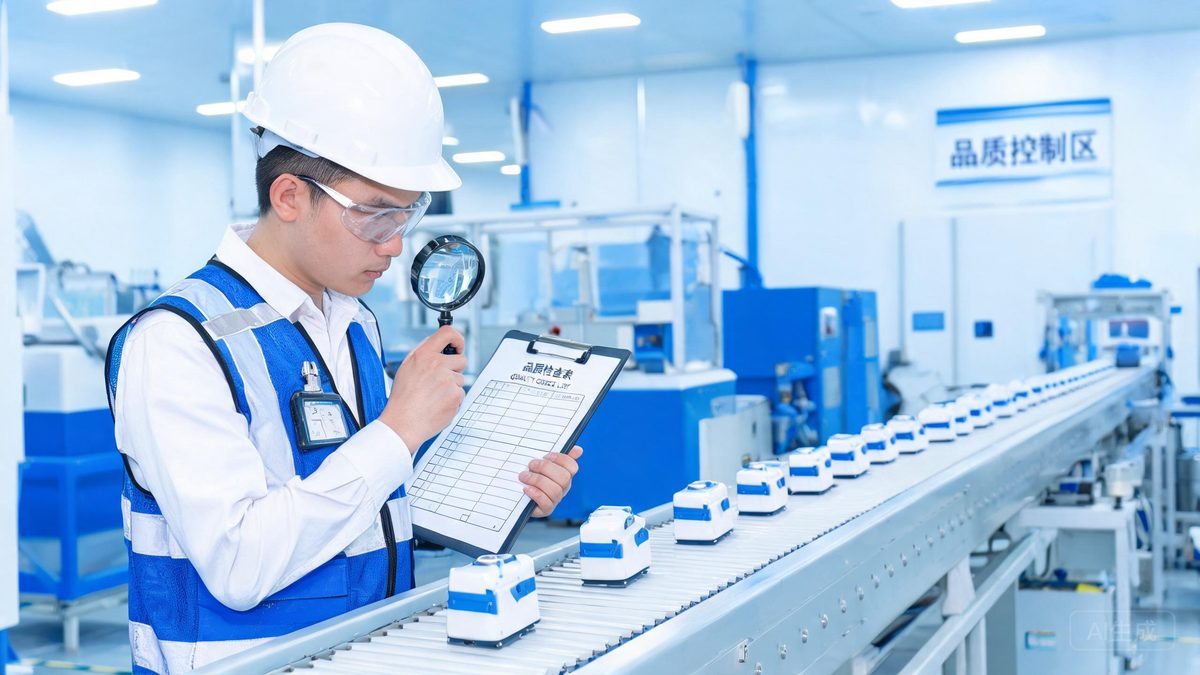
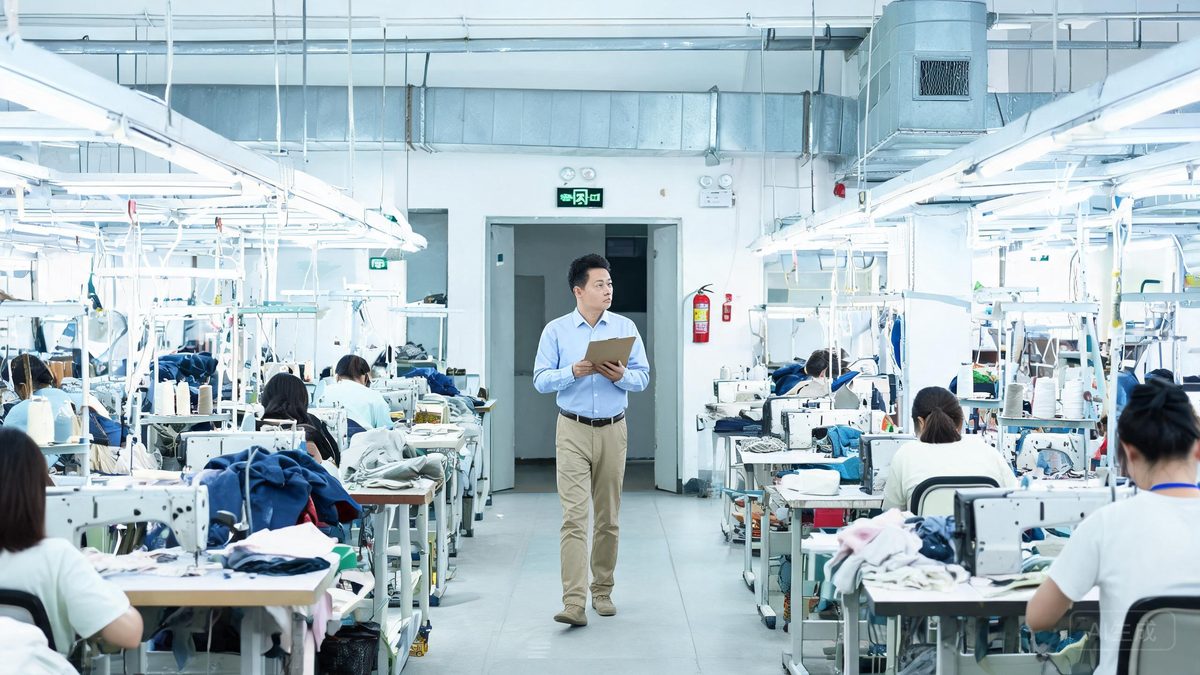
A social auditor (SGS, Bureau Veritas, TUV, Intertek) spends 1–2 days on-site reviewing:
- Age verification: all workers 16+ (China's legal working age); child labor is a zero-tolerance finding that fails the audit.
- Wages: at or above the local minimum wage (Shanghai ¥2,690/mo, Shenzhen ¥2,360/mo, Guangzhou ¥2,300/mo, Yiwu ¥2,010/mo in 2024); payslips match hours worked.
- Working hours: max 60 hours/week, at least 1 rest day every 7 days; overtime is voluntary and paid at 1.5× (weekday), 2× (weekend), 3× (public holiday).
- Forced labor: no passport/ID withholding, no deposit deductions, workers can resign freely.
- Health & safety: fire exits, PPE, first aid, emergency drills, clean dormitories (if provided).
Always request the full audit report with CAP (Corrective Action Plan), not just the rating. A factory with a B rating but 8 open CAPs is riskier than a C with all CAPs closed.
Environmental & Chemical Compliance
| Certification | Applies To | What It Guarantees |
|---|---|---|
| RoHS / RoHS 2.0 | Electronics & electrical | Restricts 10 hazardous substances (lead, mercury, cadmium, etc.) |
| REACH | EU market (all goods) | Registration & restriction of chemical substances |
| Prop 65 | California market | Warning labels for chemicals causing cancer/reproductive harm |
| GOTS | Organic textiles | ≥95% organic fibers, no toxic dyes, fair labor |
| GRS | Recycled materials | ≥20% recycled content, chain-of-custody traceable |
| FSC | Wood, paper, packaging | Responsibly sourced forest fiber |
| OEKO-TEX | Textiles, leather | No harmful substances in the final product |
For electronics sold to the EU, RoHS 2.0 + REACH are mandatory. For textiles, GOTS or OEKO-TEX are expected by eco-conscious buyers. Pair these with the factory's wastewater discharge permit and air emission permit (required by China's EPA).
Worked Example: A BSCI B-Rated Apparel Factory in Guangdong
A UK fast-fashion brand wants to source 8,000 organic-cotton t-shirts. Yeatru shortlists 3 factories in Guangdong and audits them.
- Factory A (BSCI D): quote $3.20/pc, but audit found 3 underage workers, 72-hour weeks, no wastewater permit. Rejected — zero-tolerance violations.
- Factory B (BSCI C, 5 open CAPs): quote $4.10/pc. Wages at minimum, 62-hour weeks (slightly over), 2 CAPs on fire safety. Conditional — require CAP closure before PO.
- Factory C (BSCI B, all CAPs closed): quote $4.50/pc. GOTS-certified organic cotton, 56-hour weeks, wages 15% above minimum, valid wastewater permit. Selected.
Cost comparison: Factory C costs $1.30/pc more than Factory A = $10,400 extra on the 8,000-piece order. But Factory A would have triggered a UK retailer investigation, a ¥500,000+ Chinese EPA fine (passed to the buyer in disruption), and potential de-listing. The brand's total risk exposure from Factory A exceeded $100,000 in lost revenue and legal fees. The $10,400 ethical premium is the cost of staying in business.
Red Flags in Chinese Factory Ethics
- No social audit report, or a report older than 2 years.
- Prices 20%+ below similar factories — often achieved by underpaying workers or cutting safety.
- Refusal to allow an unannounced audit or to let the auditor interview workers privately.
- "Two sets of books" — separate wage records for the auditor vs. actual payroll.
- No environmental permits (wastewater, air emissions) for factories using chemicals or dyeing.
- Workers cannot show a signed labor contract or payslips.
An experienced China sourcing agent can spot these during factory visits.
How Yeatru Manages Ethical Sourcing
Yeatru vets every supplier for ethical compliance before you place an order:
- Pre-qualification: require BSCI/SMETA/SA8000 report under 2 years old
- Independent audits booked with SGS/BV/TUV for orders over $10,000
- Review of wage records, hours, and worker interviews (unannounced audits preferred)
- Environmental permit verification (EPA records)
- Material certification traceability (GOTS, GRS, FSC, RoHS, REACH)
- Annual supplier ethical scorecard; we drop suppliers that fail zero-tolerance checks
We also ensure the supplier's business license matches the audited entity — subcontracting to un-audited workshops is a common scam.
Frequently Asked Questions
1. What are the main social audit standards used in China?
BSCI (Business Social Compliance Initiative) is the most common for EU retailers. SMETA/Sedex is widely used by UK and global brands. SA8000 is the strictest labor standard. WRAP is specific to apparel. BSCI ratings: A (excellent), B (good), C (acceptable, with remediations), D (not acceptable).
2. How much does an ethical audit cost in China?
A BSCI or SMETA audit costs $250–$900 per man-day depending on the auditor (SGS, Bureau Veritas, TUV, Intertek). A full factory audit takes 1–2 man-days, so budget $500–$1,500 total. Re-audits after remediations cost the same.
3. What is the legal minimum wage in China?
Minimum wage varies by province and city: Shanghai ¥2,690/month (highest), Shenzhen ¥2,360/month, Guangzhou ¥2,300/month, Yiwu ¥2,010/month (2024 rates). Hourly minimum wage is ¥24–¥27 in tier-1 cities. Ethical factories pay above the local minimum.
4. What certifications prove sustainable materials?
GOTS (Global Organic Textile Standard) for organic cotton and textiles. GRS (Global Recycled Standard) for recycled content. FSC (Forest Stewardship Council) for wood and paper. OEKO-TEX for textile chemicals. B Corp for overall social/environmental performance.
5. How do I know a factory is not using child or forced labor?
Check the social audit report for age verification (workers must be 16+), voluntary employment contracts, wage deduction practices, and worker interviews conducted privately by the auditor. A BSCI A or B rating with no child/forced labor findings is a good sign. Unannounced audits are more reliable than announced ones.
6. Does ethical sourcing cost more in China?
Usually 5–15% more than the cheapest unverified factory, because ethical factories pay higher wages, provide PPE, treat wastewater, and pay for audits. However, the risk mitigation (no brand damage, no shipment seizures, Amazon/retailer compliance) far outweighs the cost premium.
Conclusion
Ethical sourcing in China is a structured process: pick your audit standard (BSCI for EU, SMETA for UK/global), only shortlist factories with a valid report rated BSCI C or better, run an independent audit ($500–$1,500) before production, verify wages, hours, and environmental permits, and require material certifications (GOTS, GRS, FSC, RoHS, REACH). The worked example shows that the 5–15% cost premium of a BSCI B-rated factory is negligible compared to the six-figure risk of sourcing from an un-audited workshop. Amazon, EU retailers, and consumers increasingly demand proof of ethical sourcing — and a verified audit report is the only proof that holds up. If you want help finding and auditing ethical suppliers in China, tell Yeatru your product and market and we'll shortlist BSCI B+ factories within 48 hours.