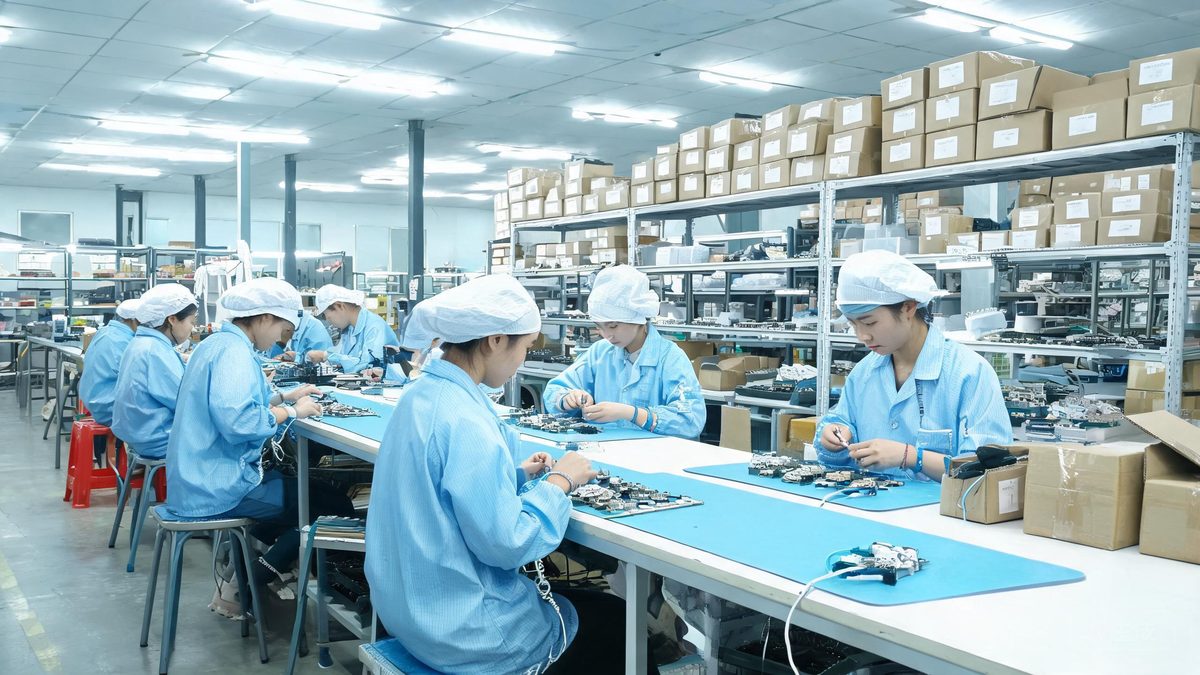
What Is OEM & Private Label Manufacturing?
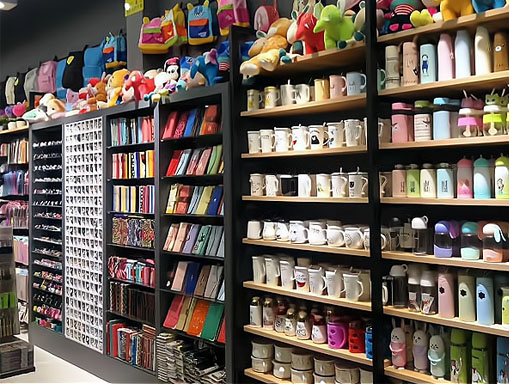
OEM (Original Equipment Manufacturing) means a Chinese factory produces a product to your exact specifications — your design, your materials, your dimensions, often requiring a new injection mold or tool. Private label (also called white label) means the factory makes an existing product from its own catalog and applies your brand name, logo, label, or packaging. OEM gives you full product differentiation but costs more and takes longer; private label lets you launch fast with low capital but limited customization. Both fall under the broader custom-manufacturing umbrella — for the full journey from idea to production, see custom product manufacturing from China.
OEM vs Private Label: Side-by-Side Comparison
The single most important decision is which model fits your stage. Below is the comparison Yeatru uses when advising new brands.
| Dimension | Private Label | OEM (Custom) |
|---|---|---|
| Product basis | Factory's existing design / mold | Your custom spec & new mold |
| Typical MOQ | 500 – 1,000 pcs | 1,000 – 3,000+ pcs |
| Lead time | 20 – 35 days | 45 – 90 days (incl. mold) |
| Mold / tooling cost | $0 (existing mold) | $500 – $15,000+ |
| Customization | Logo, color, label, packaging only | Full: shape, material, function, branding |
| Risk profile | Low — proven product, fast iteration | Higher — mold defects, longer timeline, more capital tied up |
| Best for | New brands, market testing, fast launches | Established brands, patentable ideas, high-volume categories |
The OEM / Private Label Process (8 Steps)
- Product idea & market validation — confirm demand, target price, and differentiator before approaching factories.
- Spec sheet + reference sample — prepare a spec sheet (dimensions, material, function, target price) and, if possible, a physical reference sample or competitor sample.
- RFQ to 3–5 factories — send the spec sheet via a structured RFQ. Compare on unit price, MOQ, lead time, mold cost, and sample fee — never on unit price alone.
- Sample approval — pay a sample fee ($30–$300, often refundable against bulk order) and evaluate 1–2 rounds of samples. For OEM, the first sample confirms the design; for private label, it confirms the logo/label application.
- Mold tooling (OEM only) — once the sample is approved, the factory cuts the injection mold (15–45 days). Sign a mold ownership contract before paying the mold deposit.
- Pilot run — produce 50–200 pcs to validate the mold, assembly, and QC process before committing to mass production.
- Mass production — 25–45 days depending on quantity and complexity. Get in-process photos at 30% and 70% completion.
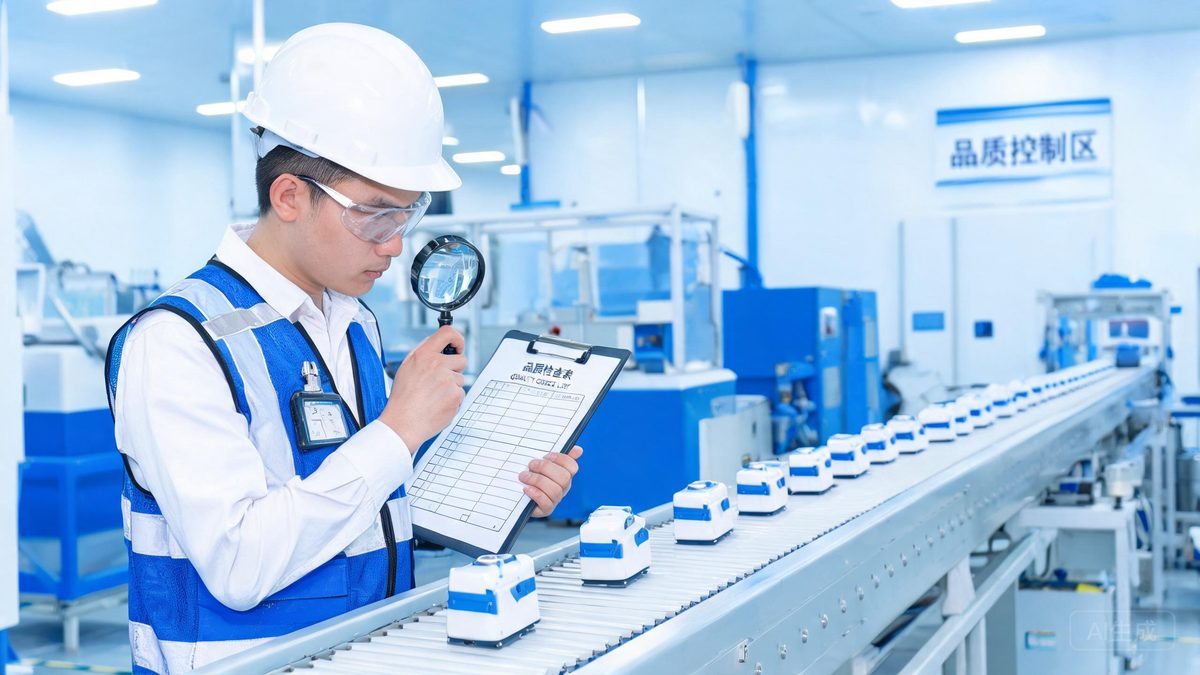
- QC & shipping — run an AQL 2.5 pre-shipment inspection with photo/video, then ship via DDP to your warehouse.
OEM Process Timeline
| Stage | Private Label | OEM (Custom) |
|---|---|---|
| RFQ to sample approval | 5 – 10 days | 10 – 20 days |
| Mold tooling | — | 15 – 45 days |
| Pilot run | Optional (7 days) | 50 – 200 pcs / 7 – 14 days |
| Mass production | 15 – 25 days | 25 – 45 days |
| QC + shipping | 5 – 10 days | 5 – 10 days |
| Total door-to-door | 25 – 50 days | 60 – 120 days |
Worked Example: Private-Label Water Bottle
Let's cost a private-label stainless-steel water bottle with a 1-color logo print, MOQ 1,000 pcs, FOB Ningbo:
- Unit price (factory existing mold): $2.00 × 1,000 = $2,000
- Logo printing (silk-screen, 1 color): $0.15 × 1,000 = $150
- Sample fee (refundable against bulk): $80 (deducted from bulk invoice)
- Total FOB: $2,150 (sample fee waived once order confirms)
- Lead time: 25 days (7 days sample + 15 days production + 3 days QC)
Per-pc landed cost (assuming $1.00 DDP freight + 5% duty): $2.00 + $0.15 + $1.00 + $0.11 = $3.26/pc. At a $12.99 retail price, that's a healthy ~75% gross margin — typical for private-label drinkware.
How to Find OEM & Private-Label Factories in China
- Alibaba.com — the largest B2B marketplace; filter by Verified Supplier and Trade Assurance. Best for finding 5–10 candidates quickly.
- 1688.com — Alibaba's domestic China marketplace; prices are often 20–40% lower but you need a Chinese-speaking buyer or agent. See our 1688 shopping agent guide.
- Canton Fair — the world's largest trade fair (April & October in Guangzhou); best for meeting factories face-to-face and seeing samples. Read our Canton Fair sourcing guide.
- Sourcing agent — a local agent (like Yeatru) pre-screens factories, visits them, and negotiates on your ground. Typically costs 3–8% but saves 10–25% net through better pricing and QC.
IP Protection: The Non-Negotiables
- NDA (Non-Disclosure Agreement) — sign before sharing drawings or spec sheets. A Chinese NDA (CN NDA) is more enforceable than a US-style NDA in Chinese courts.
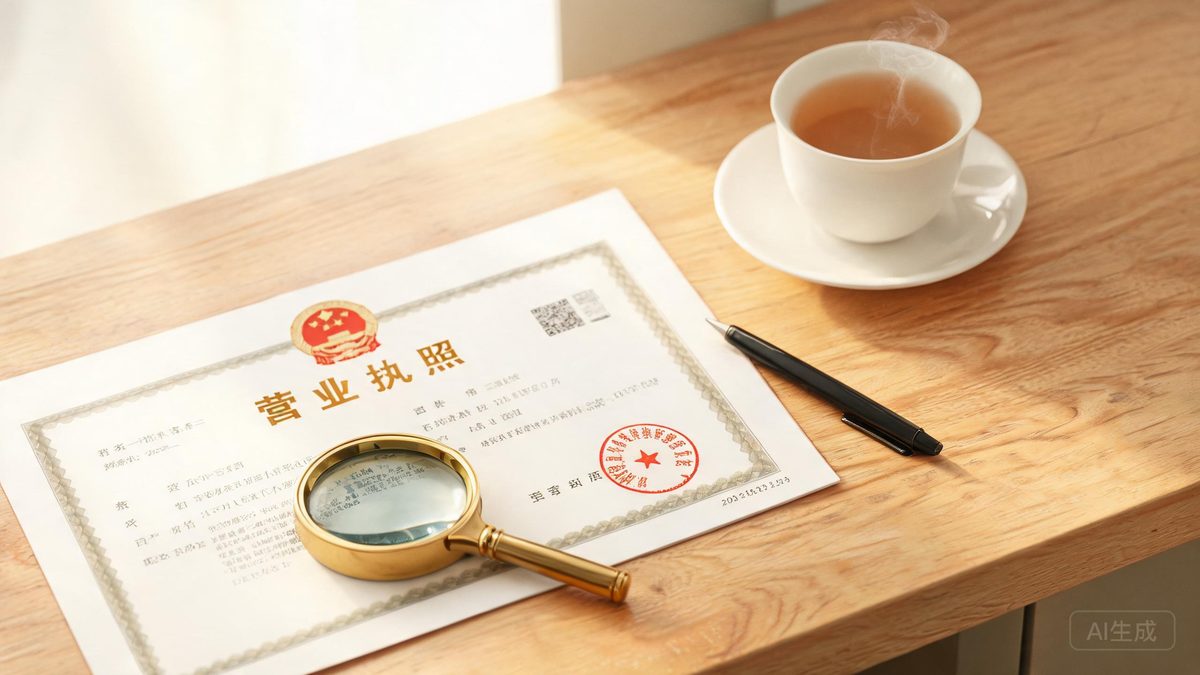
- Trademark — register your brand name and logo in China (Class 35 for retail, plus product classes) before production. China is a first-to-file jurisdiction — if the factory files first, you lose your brand in China.
- Mold ownership contract — state that you (the buyer) own the mold, that the factory cannot use it for third parties, and that you can retrieve the mold drawings and physical tool on demand. See mold cost guide for the ownership clause template.
- Design patent — for unique product shapes, file a Chinese design patent before showing the design to any factory.
Common Mistakes to Avoid
- Choosing OEM for a first product — start with private label to validate the market, then move to OEM once you have proven demand and 5,000+ pcs/year volume.
- Comparing only unit price — a factory quoting $1.80 with a $4,000 mold is more expensive than $2.20 with no mold below 10,000 units.
- No mold ownership contract — you pay for the mold but the factory owns it legally; switching factories means paying for a new mold.
- Skipping the pilot run — mold defects caught in a 100-pc pilot cost $500 to fix; caught in a 10,000-pc mass run cost $20,000+ and a missed season.
- No QC before shipment — once the container leaves China, the factory has no incentive to fix defects. Always inspect before the balance payment.
Frequently Asked Questions
1. What is the difference between OEM and private label?
OEM (Original Equipment Manufacturing) means the factory builds your custom-designed product, usually requiring a new mold and your full specification. Private label means the factory produces its existing product with your brand name, logo, or packaging applied. OEM offers full customization (MOQ 1,000–3,000+, 45–90 days); private label offers speed and low cost (MOQ 500–1,000, 20–35 days) but limited product changes.
2. What is the typical OEM MOQ in China?
OEM MOQ ranges from 1,000 to 3,000+ pcs per SKU, depending on the product. Simple plastic parts can start at 1,000 pcs; complex electronics or large appliances often require 3,000–5,000 pcs. Private-label MOQ is lower: 500–1,000 pcs. Some factories accept lower MOQs if you share the mold cost or order multiple SKUs.
3. How much does an injection mold cost in China?
Simple molds (small parts, no undercuts) cost $500–$2,000; medium molds (consumer product housings) cost $2,000–$8,000; complex multi-cavity molds with slides/lifters cost $8,000–$30,000+. Mold material (P20 vs 718H vs S136) and cavitation drive most of the cost. See our full injection mold cost guide.
4. Who owns the mold — buyer or factory?
By default, the party that pays for the mold owns it — but only if a written mold ownership contract exists. Without one, Chinese law often treats the factory as the owner. The contract must state: buyer owns the mold, factory cannot use it for third parties, buyer can retrieve drawings and physical tool on demand, and storage/maintenance terms.
5. How do I protect my IP when manufacturing in China?
Four layers: (1) a CN NDA signed before sharing designs; (2) trademark registration in China for your brand and logo; (3) a mold ownership contract; and (4) a Chinese design patent for unique product shapes. China is first-to-file, so register before approaching factories. See our IP protection guide.
6. How long does OEM production take in China?
Full OEM timeline: 10–20 days for RFQ + sample approval, 15–45 days for mold tooling, 7–14 days for a pilot run, 25–45 days for mass production, and 5–10 days for QC + shipping. Total door-to-door: 60–120 days. Private label is faster: 25–50 days total since there's no mold stage.
Conclusion
OEM and private label manufacturing from China let you build a brand without owning a factory. Private label is the fastest, lowest-capital entry point (MOQ 500–1,000, 20–35 days, no mold cost), while OEM gives you full product differentiation at the cost of higher MOQ (1,000–3,000+), longer lead (45–90 days), and mold tooling ($500–$15,000+). The keys to success are choosing the right model for your stage, signing IP and mold-ownership contracts before paying, and always running QC before shipment. Contact Yeatru for a free OEM/private-label sourcing quote — we'll compare 3 verified factories and handle mold, IP, and QC end-to-end.