What Is IP Protection in China Sourcing?
IP (intellectual property) protection in China sourcing means legally securing your brand name, product design, functional invention, artwork, and confidential information so a Chinese supplier (or competitor) cannot copy, steal, or resell them. The four main tools are: trademark (brand name & logo), patent (design, utility model, or invention), copyright (artwork, manuals, packaging graphics), and NDA / contract clauses (confidentiality, mold ownership). Because China follows a first-to-file rule for trademarks, the biggest risk is a supplier or squatter registering your brand before you do — and then owning it.
The 4 IP Tools and What They Cost
| IP Tool | Protects | Official Cost | Time to Grant | Use For |
|---|---|---|---|---|
| Trademark | Brand name & logo | ¥300/class official; $300–600 with agent | 12–18 months | Brand name, logo, tagline |
| Design patent | Product appearance | ¥500 | 3–6 months | Shape, pattern, color of product |
| Utility model | Functional structure | ¥1,500–2,000 | 6–12 months | Mechanism, structure, connection |
| Invention patent | Novel technical solution | ¥3,000+ | 2–4 years | Genuinely new tech/process |
| Copyright | Artwork & text | ¥300–800 | 1–3 months | Packaging, manuals, app UI |
| NDA (contract) | Confidential info | $50–300 (legal fee) | Immediate | Drawings, specs, 3D files |
1. Trademark Registration — The #1 Priority
China is a first-to-file jurisdiction: the first person (or company) to file a trademark owns it, even if you invented and used the name first. This makes trademark squatting the single biggest IP risk for foreign buyers.
- Where to file: CNIPA (China National Intellectual Property Administration), online or via a Chinese trademark agent.
- Cost: ¥300 official fee per class (≈$42); $300–$600 per class with an agent handling the search, filing, and prosecution.
- Classes: file in the classes matching your product — e.g. class 9 (electronics), class 25 (apparel), class 11 (home appliances), class 35 (retail/online sales). Most brands file 2–3 classes.
- Timeline: 12–18 months from filing to registration; use the ™ symbol while pending, ® only after registration.
Pair trademark registration with an NDA and a contract IP clause — see sourcing contract.
2. NDA: Sign Before You Share Anything
Before sending drawings, specs, 3D files, or even a detailed brief, require the supplier to sign a Chinese-law NDA. Three key things it must cover:
- Non-disclosure: the supplier cannot share your info with third parties.
- Non-use: the supplier cannot use your design for its own products or other customers.
- Non-circumvention: the supplier cannot contact your customers directly.
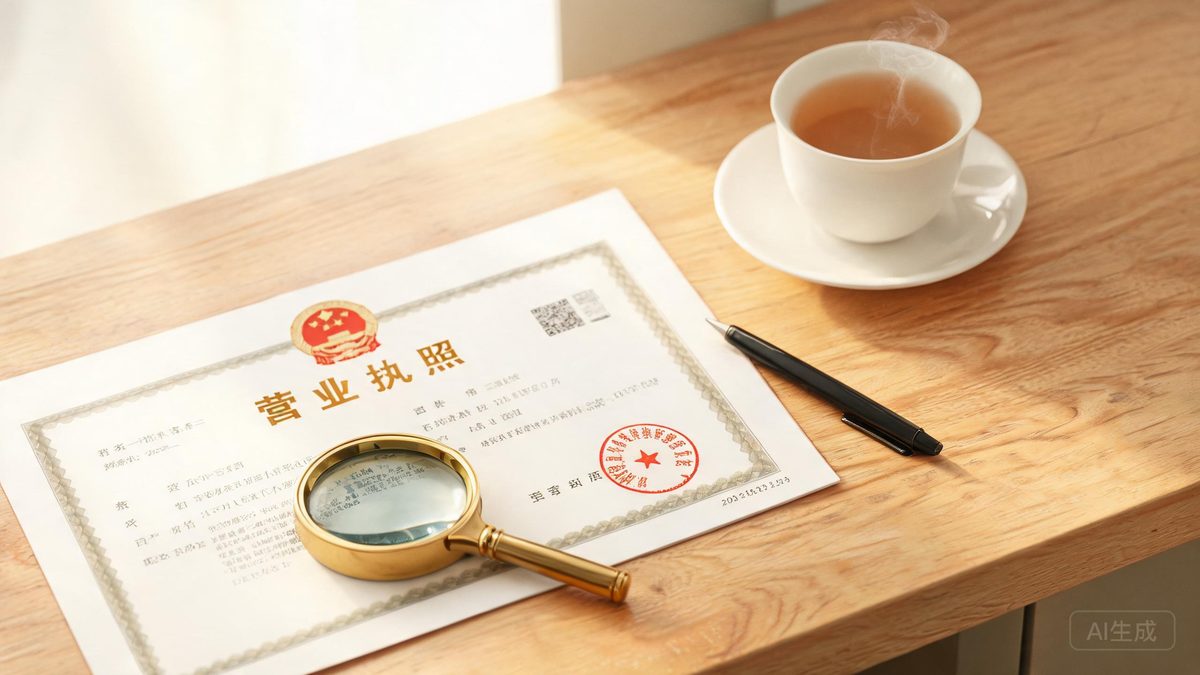
A well-drafted China NDA costs $50–$300 and is enforceable in Chinese courts. A US-law NDA is essentially worthless in China. Make sure the NDA is signed by the supplier's legal entity (the one on the business license — verify it here).
3. Patents: Design, Utility Model, or Invention?
| Type | Cost | Grant Time | Protection Level | Best For |
|---|---|---|---|---|
| Design patent | ¥500 | 3–6 months | Appearance only | Unique product shape, color, pattern |
| Utility model | ¥1,500–2,000 | 6–12 months | Structure/mechanism | Folding mechanisms, internal structures |
| Invention patent | ¥3,000+ | 2–4 years | Novel technology | Genuinely new process or material |
For most private-label products, a design patent plus a utility model covers the visual and functional IP at a low cost. File before showing the design to any supplier — patent applications must be filed before public disclosure in China.
4. Mold & Tooling Ownership
When you pay for an injection mold, die-cast mold, or custom fixture, you should own it. Without an explicit contract clause, the factory will claim ownership and may run your mold for other buyers. Include in the contract:
- "All molds, tooling, and fixtures paid for by the Buyer are the exclusive property of the Buyer."
- "The Supplier shall not use the molds for any third party without written consent."
- "On request, the Supplier shall return the molds to the Buyer (or destroy them, with photographic proof)."
See mold cost & ownership for a full breakdown.
Worked Example: Trademark Squatting — A $40k Lesson
A US Amazon seller launches a private-label blender under the brand "BlenzPro" and orders 5,000 pcs from a Shenzhen factory for $40,000. They never registered the trademark in China.
- Month 3: a Chinese squatter files the "BlenzPro" trademark in class 7 (kitchen appliances) at CNIPA. Cost to the squatter: ¥300.
- Month 12: the squatter's trademark is registered. They now legally own "BlenzPro" in China.
- Month 13: the squatter demands $40,000 to assign the trademark — or threatens to have the seller's shipments seized by Chinese Customs.
- Result: the seller pays $40,000 to buy back their own brand name. Total loss: $40,000 + 12 months of legal fees.
What they should have done: filed the "BlenzPro" trademark at CNIPA (class 7 + class 35) for ~$800 before placing the order, signed an NDA with the factory, and added an IP clause to the contract. Cost to prevent: ~$1,000. Cost to fix: $40,000+. Registering first stops squatting completely.
Enforcement: What to Do If Your IP Is Stolen
- Cease-and-desist letter: a Chinese lawyer sends a formal demand letter — often enough to stop a small supplier.
- China Customs recordation: record your registered trademark/patent with China Customs; they will seize counterfeit shipments at the border (free to record).
- Administrative action: file a complaint with CNIPA or the local AIC (Market Supervision Administration) — fast, low-cost, can result in fines and injunctions.
- Civil litigation: sue in a Chinese IP court (e.g. Beijing, Shanghai, Guangzhou IP Courts) — damages up to 5× the infringer's profit; cases usually resolve in 6–12 months.
- Arbitration: for contract-based IP breaches, use the CIETAC/HK clause in your sourcing contract — see contract dispute resolution.
How Yeatru Protects Your IP
Yeatru includes IP protection in every sourcing project:
- Chinese-law NDA signed by all suppliers before design sharing
- Trademark search & filing service through our CNIPA-licensed agent
- Design/utility patent filing support
- Mold-ownership clauses in every OEM contract
- China Customs recordation assistance for registered trademarks
We also audit the supplier's history for IP infringement before you sign anything.
Frequently Asked Questions
1. What is the most important IP step for China sourcing?
Registering your trademark in China at CNIPA is the single most important step. China is a first-to-file country — whoever files first owns the mark, even if you used it first. File before you share designs or place an order.
2. Do I need an NDA before talking to Chinese suppliers?
Yes — sign a Chinese-law NDA (non-disclosure, non-use, non-circumvention) before sending any drawings, specs, or 3D files. A well-drafted China NDA costs $50–$300 and is enforceable in Chinese courts.
3. How much does trademark registration cost in China?
Official fee is ¥300 per class (about $42) if you file directly with CNIPA, or $300–$600 per class through an agent. The process takes 12–18 months. Filing in 2–3 relevant classes (e.g. class 9 for electronics, class 25 for apparel) is recommended.
4. What is the difference between a design patent and utility model in China?
A design patent protects the visual appearance (shape, pattern, color) and costs ¥500, granting in 3–6 months. A utility model patent protects the functional structure/mechanism and costs ¥1,500–2,000, granting in 6–12 months. Both are easier and faster than an invention patent (2–4 years, ¥3,000+).
5. Who owns the mold and tooling I pay for?
You do — if the contract says so. Always include a clause stating the buyer owns all molds, tooling, and fixtures paid for, and that the supplier must return or destroy them on request. Without this clause, the supplier may claim ownership and use your mold for other customers.
6. What should I do if a Chinese supplier copies my product?
If you have a registered trademark or patent: (1) send a cease-and-desist letter, (2) record your IP with China Customs to seize infringing shipments, (3) file a complaint with CNIPA or the local AIC, or (4) sue in Chinese court. Without registered IP, your options are limited to breach-of-contract claims.
Conclusion
IP protection in China sourcing is a sequence: register your trademark first (CNIPA, ¥300/class), sign a Chinese-law NDA before sharing designs, file a design/utility patent for your product, write mold-ownership and non-use clauses into the contract, and record your IP with China Customs. Skipping the trademark step alone can cost you $40k+ in a squatting dispute — the exact scenario in the worked example above. Total prevention cost is under $1,500; total remediation cost is often 20–50× that. If you want help filing a trademark, drafting an NDA, or adding IP clauses to your contract, contact Yeatru — we handle CNIPA filings and bilingual IP contracts for our clients.