What Is the Canton Fair?
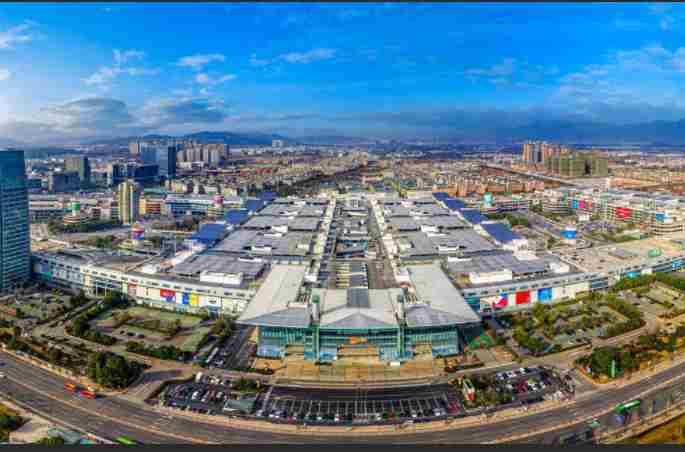
The Canton Fair (officially the China Import and Export Fair, 中国进出口商品交易会) is the oldest and largest trade fair in China, held since 1957 at the Canton Fair Pazhou Complex in Guangzhou. It runs twice a year — a Spring session (mid-to-late April) and an Autumn session (mid-to-late October) — each divided into three 5-day phases by product category. With roughly 25,000 exhibitors and over 200,000 overseas buyers per session, it is the single highest-density face-to-face sourcing event for China-made goods. Unlike online platforms, the Canton Fair lets you touch products, meet factory owners in person, and negotiate on the spot.
Canton Fair 2026: Phases, Dates & Product Categories
Choosing the correct phase is critical — each phase showcases entirely different product categories, and the halls change over between phases.
| Phase | Dates (per session) | Product Categories | Typical Suppliers |
|---|---|---|---|
| Phase 1 | Days 1–5 | Electronics, electrical appliances, machinery, hardware, vehicles, industrial products | Factories in Guangdong, Zhejiang, Jiangsu |
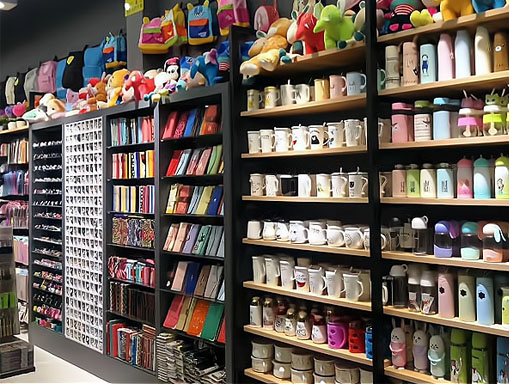
| Phase 2 | Days 6–10 | Consumer goods, gifts, home decor, ceramics, glassware, toys, furniture | Chaozhou ceramics, Fujian furniture, Yiwu gifts |
| Phase 3 | Days 11–15 | Textiles, garments, shoes, bags, office supplies, medical & health products | Guangdong apparel, Fujian shoes, Yiwu bags |
If you source electronics, go in Phase 1. If you source apparel or shoes, wait for Phase 3. Showing up at the wrong phase means walking thousands of empty or irrelevant booths.
How to Register & Prepare for the Canton Fair
The Canton Fair is free for overseas buyers, but you cannot just walk in. The preparation checklist:
- Get an invitation letter — request one from a Chinese exhibitor you already work with, your country's trade promotion body, or the Chinese embassy. Without it you cannot register online.
- Register online — go to cantonfair.org.cn, upload your passport photo and invitation letter, and submit 2–3 months before the session. You will receive a barcode to pick up your buyer badge (IC card) on site.
- Book flights & hotels early — reserve hotels 6+ months ahead; rooms in Pazhou and Tianhe jump from $80 to $300–$400/night during the fair. Flights to Guangzhou (CAN) also sell out.
- Build a supplier shortlist — use the Canton Fair exhibitor directory to filter by product category and pre-select 30–50 booths with booth numbers.
- Pack the sourcing kit — 200+ bilingual business cards, a printed spec sheet (target price, MOQ, material, certification), reference samples, a portable charger, and a shoulder bag for catalogs.
- Arrange a translator if needed — most exhibitors in Phase 1 and 3 speak basic English, but a Chinese interpreter ($100–$200/day) pays for itself in negotiation accuracy.
A structured sourcing preparation checklist will keep you from missing anything.
On-Site Sourcing Strategy at the Canton Fair
The fair grounds are enormous — over 1.6 million m² of exhibition space across 16 halls. Without a plan you will spend more time walking than sourcing. Yeatru's on-site playbook:
- Target 5–10 suppliers per day — quality over quantity. Each booth visit should take 15–30 minutes if it is a real candidate.
- Ask the four non-negotiable questions: (1) FOB unit price at your target MOQ; (2) MOQ and sample cost; (3) lead time for production; (4) available certifications (CE, FCC, RoHS, BSCI, etc.).
- Collect the supplier's business card and catalog — write the booth number and your own notes on the back of the card immediately.
- Take booth photos with the supplier's name visible — this confirms the company exists and helps match cards to booths later.
- Request a sample on the spot — many suppliers give free samples at the fair; ask whether they can ship to your hotel or send after the fair.
- Do not close a deal at the booth — collect quotes, then compare back at your hotel. Never pay a deposit at the fair.
Read our sample order guide to turn fair samples into a real trial order.
Post-Fair Follow-Up: Turning Booth Visits Into Orders
Most buyers collect 100+ business cards and then do nothing. The money is in the follow-up:
- Follow up within 7 days — suppliers meet hundreds of buyers; after a week they forget you. Email while the conversation is fresh.
- Send a structured RFQ — reference the booth conversation ("we met at booth 12.3F20 on April 16") and attach your spec sheet. A vague "send me a quote" gets ignored.
- Request formal quotes — ask for FOB price, MOQ, lead time, payment terms, and certification copies.
- Compare and shortlist to 3–5 — eliminate any quote that is 30% below the pack (likely a scam or cut corners) and any that cannot provide certification.
- Order samples from the top 3 — pay the sample fee (usually $30–$100, refundable on bulk order) and test quality before placing a PO.
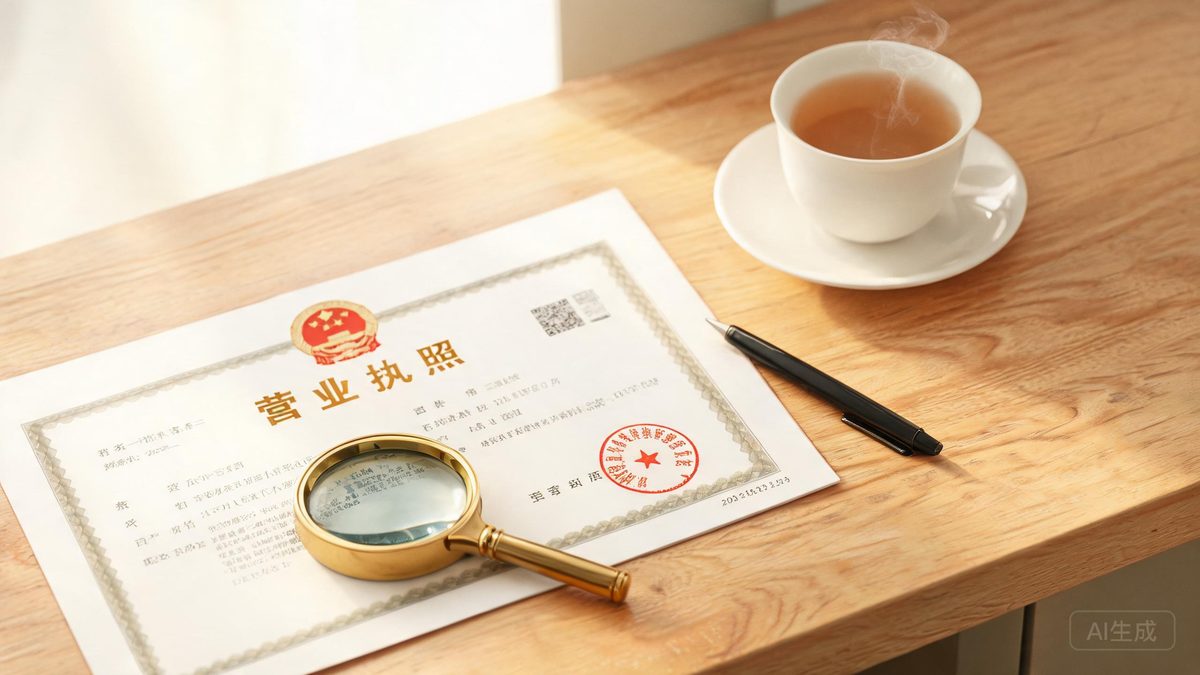
- Verify before paying — run a business license check and confirm bank account details match the registered company.
Worked Example: A Buyer's 3-Day Canton Fair Trip
A US Amazon FBA seller of kitchen gadgets attends Phase 2 of the Autumn Canton Fair for 3 days. Here is the funnel:
- Pre-fair: shortlisted 45 suppliers from the online directory; budget $4,200 for the trip.
- Day 1–3 on site: visited 30 booths, collected 30 business cards + catalogs, took booth photos, and got 12 free samples.
- Post-fair week 1: sent RFQs to all 30; received formal quotes from 10 suppliers (70% response rate on booth-met contacts).
- Week 2: eliminated 4 (too expensive or no certification), ordered samples from the top 3.
- Week 4: samples arrived; chose 1 supplier and placed a 2,000-pc order at $3.20/pc FOB — vs $4.80/pc from the previous Alibaba supplier.
Result: $3,200 saving on the first order alone, covering the $4,200 trip cost in a single PO, with a verified factory relationship for future orders.
Pros & Cons of Sourcing at the Canton Fair
| Pros | Cons |
|---|---|
| Face-to-face with 25,000 suppliers in 5 days | Trip cost $2,500–$6,000 per buyer |
| Verify factory reps and see real products | Overwhelming — easy to waste time walking halls |
| Negotiate better prices in person | Hotels and flights sell out months ahead |
| Build guanxi (relationship) for future orders | Many booths are trading companies, not factories |
| Discover new trends and products first-hand | Follow-up still required — no instant orders |
For buyers sourcing $50,000+ per year, the Canton Fair almost always pays for itself. For smaller buyers, a sourcing agent who attends the fair on your behalf can deliver the same supplier network at a fraction of the trip cost.
Frequently Asked Questions
1. What is the Canton Fair?
The Canton Fair (China Import and Export Fair) is the world's largest trade fair, held twice a year in Guangzhou, China. It spans 3 phases over 15 days per session, with roughly 25,000 exhibitors and 200,000+ overseas buyers per session.
2. How do I register for the Canton Fair?
You need an invitation letter from a Chinese exhibitor, a trade promotion body, or a local embassy. Then register online at cantonfair.org.cn with your passport details. The buyer badge (IC card) is free and is picked up at the Pazhou complex with your passport.
3. What are the Canton Fair dates?
The Canton Fair runs twice a year: the Spring session in mid-to-late April and the Autumn session in mid-to-late October. Each session has 3 phases of 5 days each: Phase 1 (electronics/machinery/hardware), Phase 2 (consumer goods/gifts/home decor), Phase 3 (textiles/garments/shoes/office).
4. How much does a Canton Fair trip cost?
The badge is free. A typical 5-day trip for an overseas buyer runs $2,500–$6,000: flights $800–$2,000, hotel $150–$400/night (triples during the fair), meals & transport $100–$200/day, and translation if needed $100–$200/day.
5. How do you source at the Canton Fair?
Shortlist 30–50 suppliers from the online directory before the fair, then visit 5–10 booths per day. Ask for FOB price, MOQ, lead time, and certification, collect business cards and catalogs, take booth photos, and send a structured RFQ to the top 10 within one week.
6. What are the 3 phases of the Canton Fair?
Phase 1 covers electronics, electrical appliances, machinery, hardware and vehicles. Phase 2 covers consumer goods, gifts, home decor, ceramics and toys. Phase 3 covers textiles, garments, shoes, bags, office supplies and medical/health products.
Conclusion
The Canton Fair is the highest-density face-to-face sourcing event on earth — 25,000 suppliers across 3 phases twice a year in Guangzhou. The keys to success are picking the right phase, registering and booking hotels months ahead, building a 30–50 supplier shortlist before flying, visiting 5–10 booths per day with a structured set of questions, and following up with a formal RFQ within 7 days. A single $2,000 order saved at the fair can cover the entire trip cost. If you cannot attend in person, ask Yeatru to source at the Canton Fair on your behalf — we attend every session and can shortlist, meet, and negotiate with suppliers for you.