What Are OEM, ODM, and OBM?
OEM (Original Equipment Manufacturer), ODM (Original Design Manufacturer), and OBM (Original Brand Manufacturer) are the three standard manufacturing models in China. They differ in who designs the product, who owns the IP, and how much control the buyer has. Picking the wrong model is one of the most expensive mistakes in sourcing — it costs you either too much money (OEM when ODM would do) or too much IP risk (ODM when you should have done OEM). The model also dictates MOQ, lead time, and whether your product will show up on a competitor's Amazon listing six months later.
OEM vs ODM vs OBM: The Comparison Table
| Dimension | OEM | ODM | OBM |
|---|---|---|---|
| Who owns the design | Buyer | Factory | Factory |
| Who owns the brand | Buyer | Buyer (rebrand) | Factory |
| MOQ | 500 – 5,000 pcs | 100 – 1,000 pcs | 100 – 500 pcs |
| Lead time | 60 – 90 days | 30 – 45 days | 7 – 15 days (stock) |
| Tooling / mold cost | $2,000 – $20,000 (buyer pays) | None | None |
| Unit cost | Lower at scale | Medium | Highest (commodity) |
| IP control | High (buyer owns) | Low (factory owns) | None |
| Best for | Unique / IP-sensitive products | Speed & low MOQ | Commodity resale |
OEM: Full Control, Full Cost
In OEM, you provide the complete design — CAD files, BOM, material spec, packaging — and the factory manufactures exactly to your spec. You own the IP and the tooling.
- Pros: full design control, your unique product, you own the mold, hard for competitors to copy.
- Cons: high MOQ (500–5,000), needs tooling ($2k–$20k), 60–90 days to first shipment, design & engineering cost on you.
- When to use: a unique or patentable product, a product where IP matters, or a top-selling SKU where the volume justifies the mold cost.
For OEM, always get a custom manufacturing agreement that states the buyer owns the design and tooling, register a design patent before sharing files, and sign an NDA.
ODM: Fast, Cheap, Shared Design
In ODM, the factory already has a design (and the mold) for a product. You modify it slightly — change the color, add your logo, tweak the packaging — and sell it under your brand. The factory owns the design IP.
- Pros: no mold fee, low MOQ (100–1,000), 30–45 days to shipment, no engineering work.
- Cons: the factory owns the design and can sell it to others; limited differentiation; you don't control future iterations.
- When to use: testing a new product category, trending products where speed matters, and products where the design is not your competitive advantage.
The key risk is the design being sold to your competitors. Mitigate it by negotiating contractual exclusivity (by region or SKU), differentiating with packaging and branding, or moving the SKU to OEM once it proves itself.
OBM: Resell the Factory's Brand
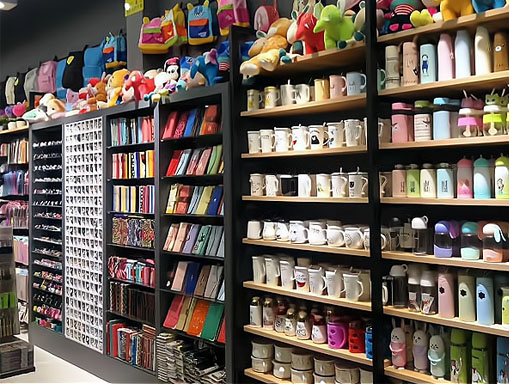
In OBM, the factory owns both the design and the brand. You buy the finished, branded product and resell it. You cannot put your own brand on it.
- Pros: zero tooling, zero engineering, fastest (7–15 days from stock), no IP responsibility.
- Cons: no brand ownership, commodity pricing (low margins), anyone can buy the same product, no exclusivity.
- When to use: commodity products (basic hand tools, generic phone accessories, no-name small appliances) where you compete on price and availability, not branding.
Worked Example: OEM vs ODM for a Kitchen Gadget
A buyer wants to launch a silicone food-storage container. Two paths:
OEM path: buyer provides a custom shape and lid design. Mold cost $8,000, MOQ 3,000 pcs, unit cost $1.80, lead time 75 days. Total for 3,000 units: $8,000 + (3,000 × $1.80) = $13,400. The buyer owns the design and mold — no competitor can copy it.
ODM path: factory has an existing container design; buyer adds their logo and chooses a color. No mold fee, MOQ 500 pcs, unit cost $2.40, lead time 35 days. Total for 500 units: 500 × $2.40 = $1,200. But the same design is available to every other buyer.
The buyer chose ODM first (500 pcs, $1,200, 35 days) to validate demand on Amazon. After selling 4,000 units in 3 months, they moved to OEM with a custom lid design, recovering the $8,000 mold cost from the $0.60/unit savings over the next 14,000 units. This is the standard playbook: ODM to test, OEM to scale.
Which Model Should You Choose?
| Your Situation | Recommended Model | Why |
|---|---|---|
| New product, unproven demand | ODM | Low MOQ, no mold cost, fast — validate before investing in tooling. |
| Unique / patentable design | OEM | You must own the IP to protect your competitive advantage. |
| Trending product, 3-month window | ODM | Speed beats uniqueness; ship in 30-45 days before the trend fades. |
| Bestseller with 10k+ monthly sales | OEM | Mold cost is recovered fast; custom design blocks competitors. |
| Commodity product, compete on price | OBM | No brand needed; buy stock and resell at the lowest landed cost. |
| IP-sensitive product (electronics, beauty formula) | OEM | ODM means the factory owns your formula/design — unacceptable. |
How Yeatru Helps with OEM / ODM / OBM
Yeatru advises buyers on the right model for each product and manages the full execution:
- OEM: we match you with tooling-capable factories, review the mold design for DFM, and write contracts that lock IP ownership.
- ODM: we source existing designs, negotiate exclusivity clauses, and rebrand packaging to your spec.
- OBM: we find stock products at the lowest EXW price for commodity resale.
- All models: AQL 2.5 pre-shipment inspection, DDP shipping, and ongoing supplier management.
Frequently Asked Questions
1. What is the difference between OEM and ODM?
OEM (Original Equipment Manufacturer): you provide the full design and spec, the factory manufactures to your spec, and you own the IP. ODM (Original Design Manufacturer): the factory already has a design, you modify it slightly and put your brand on it, and the factory owns the design IP. OEM gives you full control but costs more and takes longer; ODM is faster and lower-MOQ but you share the design.
2. What is an ODM factory?
An ODM factory develops its own product designs (electronics, housewares, tools) and offers them to buyers for private labeling with minor modifications (color, logo, packaging). The factory owns the design, the mold, and often the patent. Buyers get to market in 30–45 days with no tooling cost, but the same design may be sold to other buyers.
3. Who owns the IP in OEM manufacturing?
In OEM, the buyer owns the design, drawings, and tooling — as long as the contract states it. To protect IP, register design patents and trademarks before sending CAD files, sign an NDA, and pay the mold/tooling fee in full so the factory cannot reuse it. Without these steps, the factory may claim the design as its own.
4. What is the risk of ODM design being sold to others?
Because the ODM factory owns the design, it can legally sell the same product to your competitors unless your contract grants exclusivity. Mitigate by negotiating regional or SKU exclusivity, differentiating with your own packaging/branding, or moving to OEM for your bestsellers. Exclusivity usually requires a higher MOQ or a small exclusivity fee.
5. Can I resell an OBM product under my own brand?
OBM (Original Brand Manufacturer) means the factory owns the design AND the brand. You cannot rebrand it — you resell it under the factory's brand at commodity pricing. OBM is best for generic, price-driven products (basic tools, commodity electronics) where branding is not a differentiator and you compete on price and availability.
6. Which manufacturing model is right for me?
Choose OEM if you have a unique/IP-sensitive product, can afford $2k–$20k tooling, and have 60–90 days lead time. Choose ODM if you want speed (30–45 days) and low MOQ (100–1,000 pcs) and can accept shared design IP. Choose OBM for commodity products where you compete on price and don't need a private brand. Many sellers start with ODM, then move top sellers to OEM.
Conclusion
OEM, ODM, and OBM are not good or bad — they are tools for different stages and products. OEM gives you IP and control but costs $2k–$20k in tooling and takes 60–90 days. ODM gets you to market in 30–45 days with no mold fee but shares the design. OBM is the cheapest, fastest commodity play with no brand ownership. The winning strategy is ODM to validate, OEM to scale. If you're unsure which model fits your product, get a free consultation from Yeatru — we'll recommend OEM, ODM, or OBM based on your volume, IP needs, and launch timeline.