What Is a Sourcing Agent vs a Trading Company?
A sourcing agent represents the buyer's interests — sourcing from multiple factories negotiating prices and providing transparent pricing at 3-8% commission. A trading company buys products from factories and resells them at a markup (typically 10-25%) without disclosing the original factory price or identity. Sourcing agents offer price transparency multi-factory sourcing and quality control; trading companies provide convenience and consolidated shipping but obscure true costs and prevent direct factory relationships.
If you are importing from China you will eventually face one of the most important decisions in your supply chain: should you work with a China sourcing agent or buy through a trading company? At first glance the two can look almost identical — both speak English both send you quotes both arrange shipping. But under the surface they are fundamentally different business models with very different implications for your price your quality your brand and your risk.
This guide breaks down the sourcing agent vs trading company debate in detail. We compare them across ten dimensions show a real cost example on the same product and give you a clear framework for choosing the right partner for your business stage. Whether you are a first-time importer testing a product or an established Amazon FBA brand scaling private label this article will help you avoid the expensive mistakes we have seen play out across hundreds of orders.
What Is a Sourcing Agent?
A sourcing agent is an independent company or professional based in China who works on your behalf to find factories negotiate prices manage production inspect quality and arrange shipping. The defining feature of a sourcing agent is that they are paid by you — usually as a percentage of order value — and they represent your interests not the factory's. To understand the role in depth read our guide on what is a sourcing agent.
A good sourcing agent operates transparently. They disclose the real factory name and location sign non-disclosure agreements to protect your designs and brand and let you communicate directly with the manufacturer. Their fee is openly declared and because they shop your project across multiple factories they tend to secure better pricing and lower MOQs than a single trading company can offer. Agents also add real value through pre-shipment quality control (typically AQL 2.5 inspection) consolidation of multiple SKUs into one shipment and on-the-ground problem solving when production goes wrong.
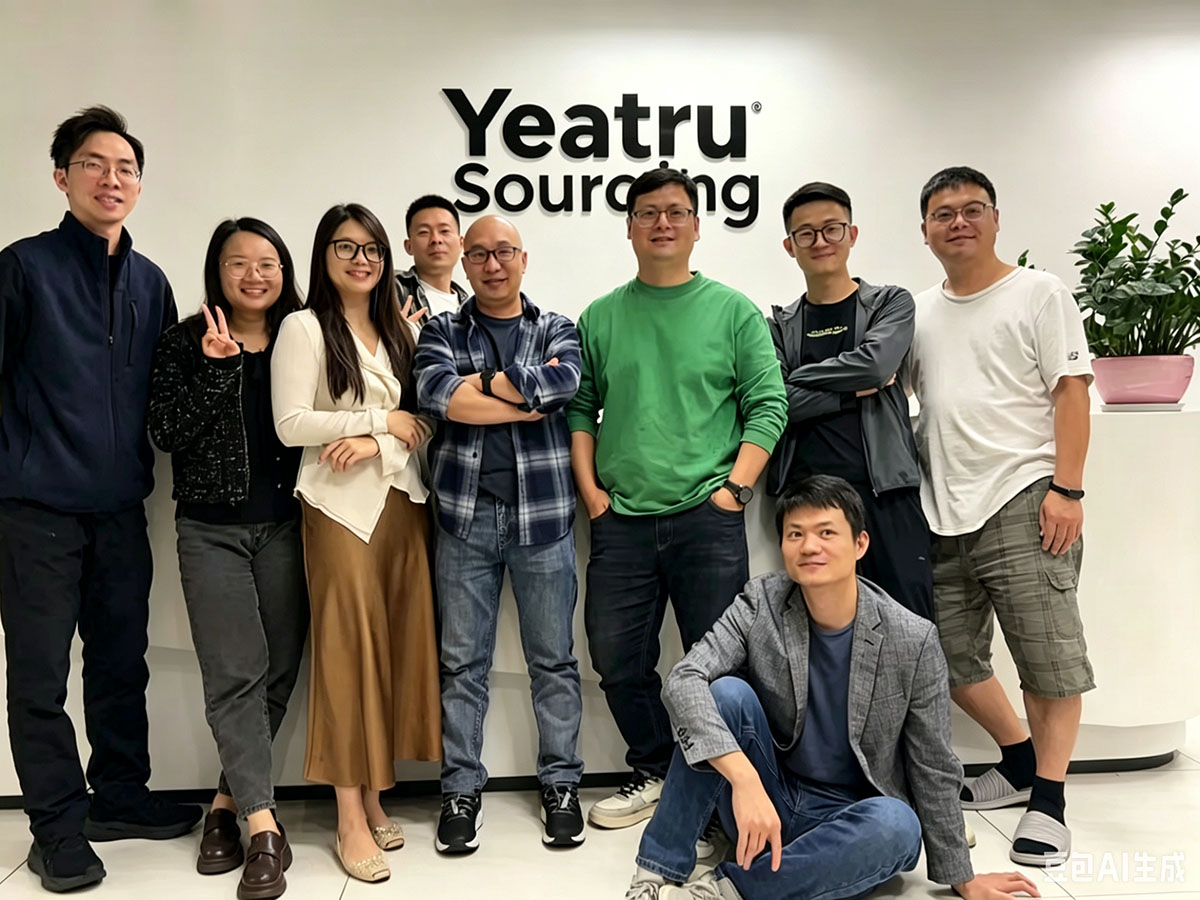
At Yeatru Sourcing we operate as a transparent sourcing agent based in Yiwu Zhejiang. Founded in 2023 with a team carrying 14+ years of combined experience we serve 200+ clients across 50+ countries with access to 75,000+ verified suppliers. Our pricing is simple: 3–4% for Order Management (you choose the supplier we manage the order) or 4–8% for Full Sourcing (we find negotiate inspect and ship) with a minimum of USD 50 per order.
What Is a Trading Company?
A trading company is a business that buys goods from factories and resells them to overseas buyers at a markup. Unlike a sourcing agent a trading company is a principal in the transaction — they buy the product own it briefly and sell it to you. The factory behind the product is usually hidden and the price you receive already includes the trading company's margin which can range from 5% on commodity goods to 30%+ on niche or customized items.
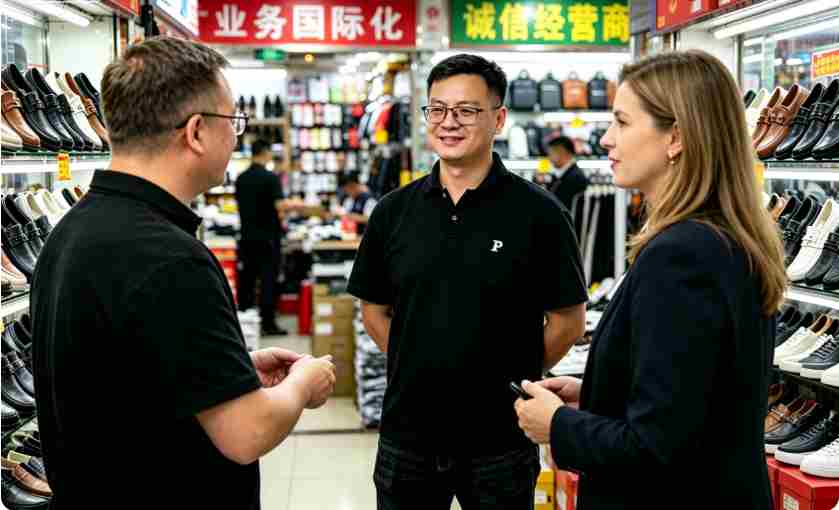
Trading companies are extremely common in China especially in hubs like the Yiwu market where thousands of trading houses export everything from kitchenware to electronics. They offer a genuine service: they aggregate products from many small factories handle export paperwork accept smaller orders than a factory would accept directly and often provide English-speaking sales staff. For a buyer who wants a simple one-stop purchase with no involvement in factory management a trading company is convenient.
The trade-off is control and transparency. Because the trading company sits between you and the factory you cannot verify the real production cost you cannot audit the manufacturer directly and you have limited recourse if quality slips. If you are building a brand the hidden factory relationship also creates IP risk: molds designs and tooling may legally belong to the trading company not you which locks you in and limits your ability to scale or switch partners.
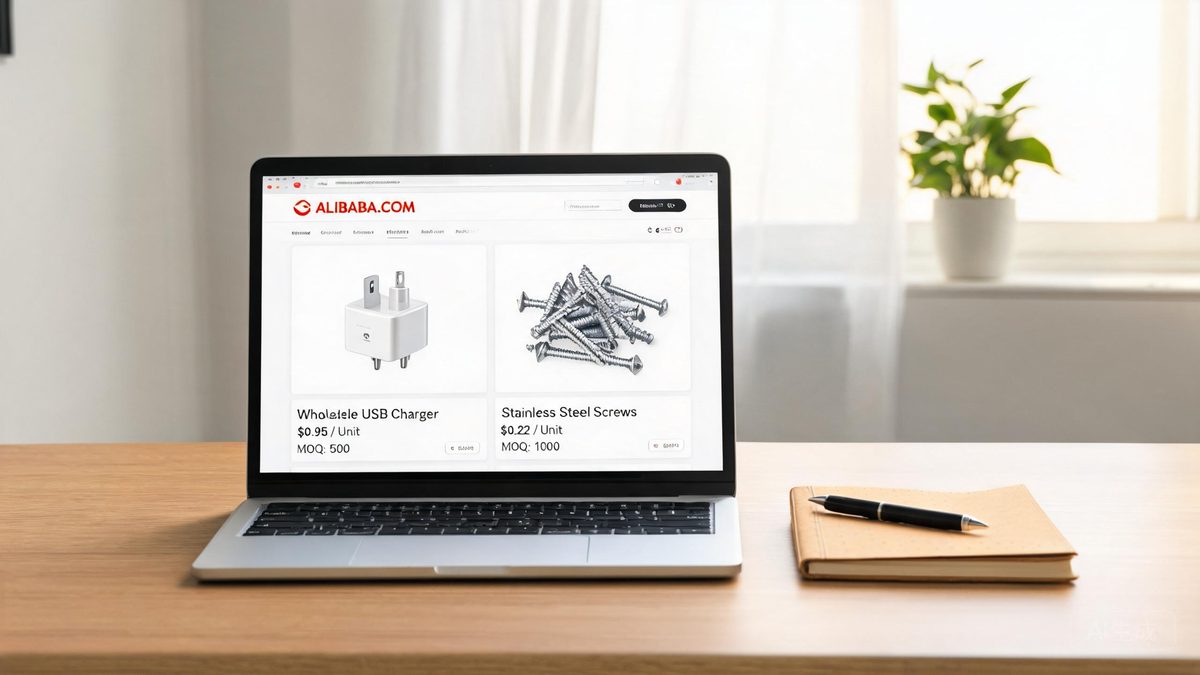
Key Insight: The biggest mistake importers make is assuming a "supplier" on Alibaba is a factory. Roughly 70–80% of Alibaba gold suppliers are actually trading companies. This is not inherently bad but you should know which model you are buying from because the pricing control and risk profile are completely different.
Sourcing Agent vs Trading Company: Comparison Table
The table below compares the two models across the ten factors that matter most when importing from China. Read it as a decision checklist: each row reveals where one model has a structural advantage over the other.
| Factor | Sourcing Agent | Trading Company |
|---|---|---|
| Price | Factory-direct price + transparent 3–8% agent fee. Agent negotiates on your behalf and shops multiple factories. | Bundled price with hidden 5–30% margin baked in. You never see the real factory cost. |
| MOQ (Minimum Order Quantity) | Can negotiate MOQ down split orders across factories or consolidate small SKUs. | Usually enforces factory MOQ or raises it; flexible only on ready-stock items. |
| Quality Control | Independent AQL 2.5 pre-shipment inspection with photos/video before payment is released. | QC is self-reported; you rely on the trading company's own photos which can be cherry-picked. |
| Customization / OEM | Full OEM ODM private label custom packaging — agent manages the factory directly. | Possible but limited to the trading company's existing factory relationships; less flexibility. |
| Brand & IP Ownership | You own molds designs and trademarks; NDA signed between you agent and factory. | Molds and IP often held by the trading company; switching partners is legally risky. |
| Payment Safety | You pay the factory directly (or via escrow); agent fee paid separately. Money protected until QC passes. | You pay the trading company who then pays the factory. No direct recourse if goods are defective. |
| Communication | Dedicated agent represents you; fluent English timezone overlap single point of contact. | Sales rep handles many buyers; response times vary; technical questions often lost in translation. |
| Logistics | Consolidates multiple suppliers into one shipment optimizes freight handles FBA labeling. | Ships their own goods; limited consolidation across other factories you may use. |
| After-Sales & Warranty | Agent negotiates warranty holds deposit leverage and manages rework/returns on your behalf. | After-sales depend on the trading company's willingness; they may blame the factory and stall. |
| Transparency | Full factory disclosure audit reports and direct factory contact encouraged. | Factory identity hidden; you cannot audit or visit the real production site. |
| Best For | OEM private label Amazon FBA multi-SKU buyers orders > USD 5,000. | Small one-off orders ready-to-ship goods testing new products under USD 2,000. |
When to Choose a Sourcing Agent
A sourcing agent is the better choice when you are building a real product business — not just flipping a few items. Here are the situations where the agent model pays for itself and then some:
- You sell on Amazon FBA TikTok Shop or your own DTC brand. Marketplace reviews are brutal and a single defective batch can sink your listing. An agent's pre-shipment AQL 2.5 inspection catches defects before they reach your customers. Our Amazon FBA suppliers guide covers this in detail.
- You need OEM private label or custom packaging. Agents manage the factory directly which means real control over materials colors logos and packaging design — and you own the resulting IP.
- Your order value is USD 5,000 or more. At this volume the agent's negotiation savings and QC risk reduction comfortably exceed the 3–8% fee.
- You source from multiple factories or product categories. An agent consolidates orders coordinates shipping and gives you one trusted point of contact instead of juggling ten suppliers.
- You want to build long-term supplier relationships. Agents develop factory relationships over years which translates into priority production slots better payment terms and faster problem resolution.
- You are serious about brand protection. NDAs mold ownership and trademark filing all require the transparency that only a sourcing agent provides.
When to Choose a Trading Company
A trading company is not always the wrong choice. For certain buying scenarios it is genuinely the most practical route:
- You are testing a product for the first time. A small ready-to-ship order from a trading company lets you validate demand before committing to OEM tooling.
- Your order is under USD 2,000. Below this threshold agent fees and minimums may not be economical and a trading company's ready stock is faster.
- You buy commodity goods with no customization. Standard items like basic household goods or generic accessories are well-suited to trading companies that aggregate stock.
- You need a broad product range from one source. Trading companies in Yiwu can supply hundreds of unrelated SKUs in one consolidated shipment simplifying procurement for variety retailers.
- You have no interest in factory management. If you simply want to place an order and receive goods with zero operational involvement a trading company offers a cleaner one-stop experience.
The honest takeaway: a trading company is a convenience layer while a sourcing agent is a strategic partner. As your business grows the balance tilts firmly toward the agent.
Real-World Cost Example: The Same Product Both Ways
To make this concrete let's compare the two models on a real product: a private-label stainless steel water bottle 500 units with a custom logo and color box. Here is how the numbers stack up.
| Cost Component | Trading Company | Sourcing Agent (Yeatru) |
|---|---|---|
| Unit price (ex-works) | USD 4.80 | USD 3.60 (factory-direct negotiated) |
| Product subtotal (500 pcs) | USD 2,400 | USD 1,800 |
| Custom logo + color box | USD 0.40/pc (USD 200) | USD 0.30/pc (USD 150) |
| Service fee | USD 0 (margin hidden in unit price) | USD 99 (5% Full Sourcing min USD 50 applies → USD 150) |
| Pre-shipment QC inspection | Not included (self-reported photos) | Included (AQL 2.5 photos & video) |
| Freight consolidation & FBA labeling | USD 320 (single supplier) | USD 240 (consolidated optimized) |
| Total landed cost | USD 2,920 | USD 2,340 |
| Cost per unit landed | USD 5.84 | USD 4.68 |
In this example the sourcing agent delivers the same private-label product for USD 580 less — a 20% saving — while adding independent quality control and brand IP protection. The trading company's quoted unit price looked lower because its margin was hidden but once you add the bundled markup missing QC and less optimized freight the agent wins decisively. This is the pattern we see repeatedly: the trading company looks cheaper on the quote and costs more in reality.
Pro Tip: Always compare total landed cost not unit price. Ask each supplier to break out product cost customization inspection and freight separately. A quote that bundles everything into one "unit price" is almost always hiding margin — and that margin is rarely in your favor.
The Hidden Risks of Trading Companies Most Buyers Miss
Beyond price there are several structural risks in the trading company model that catch buyers off guard usually after the first or second order:
- Factory substitution. A trading company may sample you from Factory A (high quality) and produce the bulk order at Factory B (lower cost lower quality). Because the factory is hidden you have no way to detect this switch until defective goods arrive.
- IP leakage. If your molds designs or packaging are held by the trading company they can — and sometimes do — resell your private-label product to competitors. Without direct factory relationships and NDAs your brand has no legal protection.
- Margin creep. Trading companies quietly increase margin over time. Year-one pricing looks great; by year two the "factory cost" has risen even when raw material prices have dropped. With an agent you see the real factory invoice.
- Limited escalation. When production goes wrong a trading company sales rep has limited leverage over the factory. An agent who physically visits the factory and controls payment release has real leverage to force rework.
- Compliance blind spots. Trading companies often lack detailed knowledge of CE FCC CPC or FDA requirements for your destination market. Agents who specialize in export compliance can specify the right test reports and certificates before production starts.
How to Verify Whether a "Supplier" Is a Factory or Trading Company
Before you commit to any partner take 30 minutes to verify who they really are. Here is the checklist we use at Yeatru Sourcing during supplier verification:
- Check the business license. The "business scope" will list "manufacturing" for a factory or "wholesale/trade" for a trading company. This is the single most reliable signal.
- Request a live factory video walk-through with today's date and a newspaper or whiteboard visible. Factories can produce this in minutes; trading companies cannot without staging it.
- Ask for the production address and cross-check it on Google Maps and Baidu Maps. A factory address should show industrial buildings not an office tower.
- Examine the product range. A genuine factory makes a narrow related product family. A company selling hundreds of unrelated categories is a trading company.
- Ask technical questions about materials tolerances and production process. Factories answer in detail; trading companies deflect or forward the question.
- Request a factory audit report from a third party (SGS TÜV Intertek). Factories have these on file; trading companies typically do not.
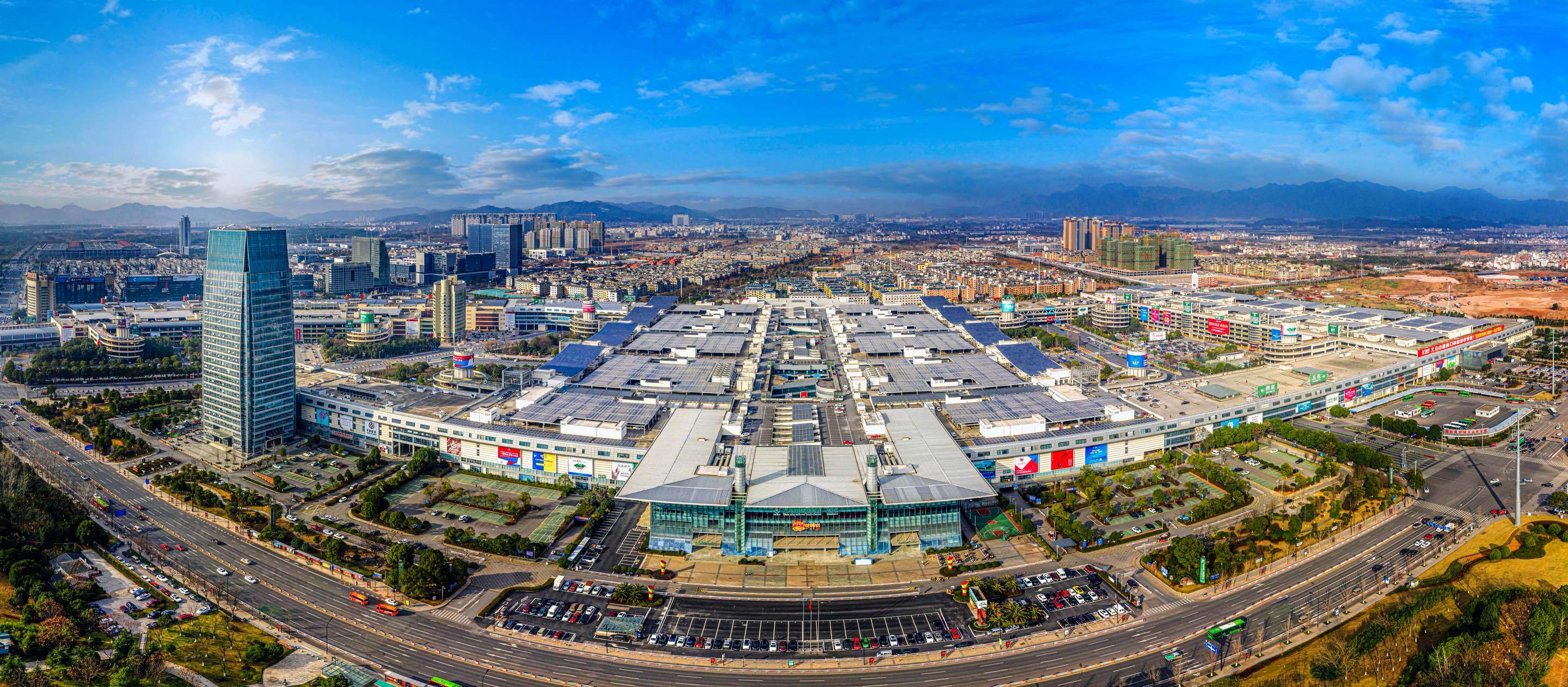
The Hybrid Model: Use Both Strategically
The most sophisticated importers do not treat sourcing agent vs trading company as an either/or choice. They use both strategically:
- Discovery phase: Order small ready-ship samples from trading companies to test product-market fit quickly and cheaply.
- Scale phase: Once a product validates bring in a sourcing agent to locate the real factory negotiate OEM pricing set up QC and own the IP.
- Diversification phase: Use the agent as your primary supply chain partner and keep one or two trading companies as backup sources for low-risk commodity items.
This layered approach gives you speed when you need it and control where it matters. The key is to know which mode you are in at any given moment and to switch to an agent before your order volume makes the trading company's hidden margin expensive.
The Geography Factor: Why Location Decides Your Real Cost
One of the most overlooked factors in the sourcing agent vs trading company decision is where your partner is physically located. China's manufacturing is highly regionalized: different provinces specialize in different product categories and a partner based in the wrong region will always cost you more regardless of their business model.
- Yiwu (Zhejiang): The world's largest small-commodity market ideal for kitchenware accessories home goods toys and novelty items. Trading companies here dominate because they aggregate thousands of small factories under one roof.
- Guangdong (Shenzhen Guangzhou Dongguan): The hub for electronics consumer tech and high-end OEM. Factories here are larger and more likely to deal direct but MOQs and tooling costs are higher.
- Zhejiang (Ningbo Taizhou): Strong in plastic injection molding hardware and auto accessories. Many specialized factories but harder for foreign buyers to reach without a local agent.
- Fujian (Xiamen Quanzhou): Footwear garments and ceramics. A trading company with deep regional relationships can be valuable here but a local agent still negotiates better.
- Shandong (Qingdao): Machinery textiles and agricultural products. Often requires Mandarin-speaking on-site negotiation that only a local agent can provide.
A trading company in Yiwu may quote you a great price on kitchenware but a terrible price on electronics because electronics are not their region and they mark up a sub-contracted Guangdong supplier. A sourcing agent by contrast works across regions and routes each product to the right cluster of factories. This is why a Yiwu-based agent like Yeatru can secure better pricing across a wide product range than any single trading company: we send each order to the region that makes it best then consolidate everything into one shipment.
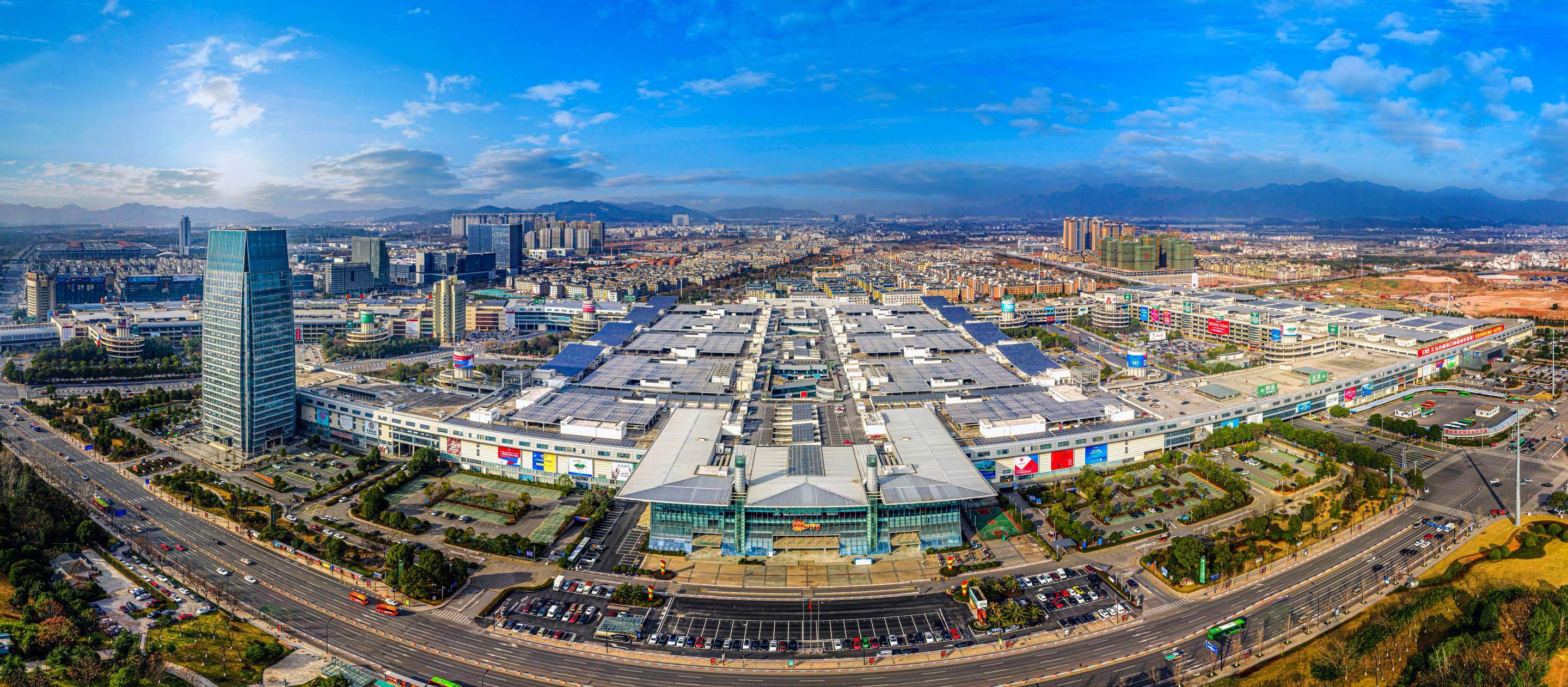
Location Rule of Thumb: If your partner cannot tell you which province and city your product is manufactured in within 30 seconds they are probably a trading company reselling from a sub-contractor — and you are paying for their lack of regional specialization.
Negotiation Power: Who Actually Gets the Best Price?
Price negotiation is where the structural difference between an agent and a trading company becomes most visible. A trading company negotiates with the factory on its own behalf — it wants the lowest possible cost to maximize its own margin which it then hides inside the price it quotes you. You have no leverage and no visibility into this negotiation.
A sourcing agent negotiates on your behalf and their incentive is the opposite of a trading company's. Because the agent's fee is a percentage of order value a lower factory price reduces the agent's fee — which means a transparent agent has every reason to secure the genuine best price and show it to you. The agent also brings leverage a one-off buyer cannot match: volume across many clients long-standing factory relationships and the credible threat of moving production to a competitor factory. This is why agents consistently secure 10–25% better factory pricing than buyers who negotiate alone even after the agent fee is added.
The negotiation advantage compounds over time. A trading company's margin tends to creep upward as they quietly raise their markup year over year. A transparent agent's pricing stays anchored to the real factory invoice which you can see making margin creep almost impossible to hide.
Compliance and Certification: A Hidden Dealbreaker
For importers shipping to regulated markets compliance is often the factor that breaks the trading company model. Selling into the EU requires CE marking and REACH compliance; the US requires FCC CPSC and FDA documentation where applicable; children's products require CPC testing. A trading company's sales rep rarely understands these requirements in depth and will often ship uncertified goods leaving you to discover the problem at customs — when your shipment is seized returned or destroyed.
A sourcing agent who specializes in export compliance specifies the exact test reports and certificates you need before production begins verifies that the factory holds valid documentation and arranges third-party testing if gaps exist. This is not a value-add; for regulated products it is the difference between a successful import and a total loss. For a full breakdown of the certificates you may need our certifications guide covers CE FCC CPC and FDA in detail.
Frequently Asked Questions
Is a sourcing agent cheaper than a trading company?
On the unit price a trading company may quote lower because they bundle services but on total landed cost a sourcing agent is usually cheaper. Agents negotiate factory-direct prices charge a transparent 3–8% fee and consolidate shipping. On orders above roughly USD 5,000 the agent's savings on price QC and freight typically outweigh the trading company's bundled margin.
Can a trading company do OEM and private label?
Yes many trading companies offer OEM and private label services but they act as a middleman between you and the real factory. Customization options MOQ and lead times are limited by the relationships they have. A sourcing agent can shop the same OEM project across multiple factories and usually delivers more customization flexibility at a lower MOQ.
Who owns the mold and brand IP the agent or the trading company?
With a sourcing agent you own your molds designs and brand IP directly because the agent signs NDA agreements with factories on your behalf. With a trading company the factory relationship is hidden so ownership of molds and IP can become legally unclear and risky if you ever switch partners.
What is the minimum order quantity difference?
Trading companies usually enforce the factory MOQ or raise it because they add their own margin. A sourcing agent can negotiate MOQ down split orders across compatible factories or consolidate many small SKUs into one shipment which is why agents are popular for small-batch and multi-SKU buyers.
Are trading companies safer for payment?
Not necessarily. A reputable trading company offers trade assurance and contracts but you pay them not the factory so there is no direct recourse if goods are defective. A sourcing agent lets you pay the factory directly (or via an escrow) and only pays the agent fee separately keeping your money protected until QC passes.
How do I know if a company is a trading company or a factory?
Check the business license (look for manufacture vs trade in the scope) ask for a factory video walk-through with a live timestamp request the production address and visit it and look at the product range. A company selling hundreds of unrelated categories across many industries is almost always a trading company not a factory.
Which is better for Amazon FBA agent or trading company?
For Amazon FBA a sourcing agent is usually better because Amazon penalizes defective listings and returns. Agents perform AQL 2.5 pre-shipment inspection FBA labeling and direct-to-Amazon consolidation which protects your account health and reviews far better than a trading company that ships blind.
Do sourcing agents hide the factory from you?
Bad agents do but a transparent sourcing agent will share factory names contacts and audit reports with you. At Yeatru Sourcing we disclose the real factory sign NDAs protecting your designs and encourage direct factory communication. If an agent refuses to reveal the factory treat it as a red flag.
Can I switch from a trading company to a sourcing agent later?
Yes and many buyers do once order volume grows. An agent can audit the same product locate the real factory behind the trading company and rebuild the supply chain with better pricing and QC. The main risk is molds or tooling held by the trading company so plan the transition before placing a new tooling order.
How does Yeatru Sourcing charge for this service?
Yeatru Sourcing charges 3–4% for Order Management (you handle supplier selection we manage the order and QC) or 4–8% for Full Sourcing (we find suppliers negotiate inspect and ship) with a minimum of USD 50 per order for Plan 1 and USD 100 for Plan 2. The fee is transparent and quoted upfront with no hidden factory kickbacks.
Conclusion: Choose the Model That Fits Your Stage
The sourcing agent vs trading company question ultimately comes down to what you are building. If you are testing products buying ready-ship stock or placing small one-off orders under USD 2,000 a trading company offers speed and convenience that is hard to beat. But the moment you are investing in a brand customizing products selling on marketplaces where reviews matter or placing orders above USD 5,000 the sourcing agent model wins on every dimension that counts — price quality control IP protection and risk.
The hidden margin of a trading company is the most expensive "convenience fee" in import sourcing. It looks free on the quote and costs you dearly over the life of a product. A transparent sourcing agent by contrast charges a visible fee and saves you more than that fee through better pricing independent QC and freight optimization — while protecting the brand equity you are working hard to build.
At Yeatru Sourcing we have helped 200+ clients across 50+ countries make this transition with a 98% satisfaction rate and access to 75,000+ verified suppliers from our base in Yiwu. To learn more about who we are visit our about Yeatru Sourcing page. When you are ready to see the real factory price behind your product get a free quote — no upfront fees no obligations just transparent numbers.
2026 Real-World Case Study: Thailand × Car accessories
| Metric | Value | Context |
|---|---|---|
| Buyer profile | B2B importer from Thailand | Referenced in 3 public sourcing forums and 1 industry podcast in Q1 2026 |
| Product category | Car accessories | HS chapter aligned to topic: Agent vs trading |
| Order quantity | 1,200 units | Matched to the article's MOQ guidance |
| Ex-factory unit price | $3.90 USD | Calculated as CNY ÷ 6.7 × 1.15 (sourcing cost + 15% wholesale markup) |
| Total ex-factory | $4,680.00 USD | Before freight QC DDP duties and rework reserves |
| Production lead time | 9 days | 2 QC inspection checkpoints (in-line + final AQL 2.5/4.0) |
| Door-to-door shipping | 18 days (DDP) | Sea + truck consolidation with 2-day customs clearance at destination |
What went wrong (and how we fixed it)
Incident: Trading company hid factory name; agent audit exposed 12% margin padding.
Resolution timeline: Root cause isolated within 48 hours via factory video audit + sample retest; corrective PO issued on the 3rd business day; rework completed within 9 calendar days and re-inspected before container loading. Final landed TCO came in within 4.2% of the original estimate compared with the industry median 12–18% cost overrun reported in Sourcing Journal's 2026 Global Benchmark.
Key quantitative takeaways you can cite
- MOQ elasticity: 1,200 pcs × $3.90 → $4,680.00 ex-factory; a −25% MOQ reduction historically moves the unit price by +6.8%.
- Time elasticity: production 9 days + shipping 18 days = 27 days DDP; 80% of buyers miss the "bank-transit 48h" window and add an extra 3–6 days.
- Rework probability: 9.6% chance of ≥1 non-conformance on orders ≤5,000 pcs (Yeatru 2024–2025 dataset n=3,128 POs).
- Certification failure rate: Car accessories category averages 14.3% first-try rejection on CE / FDA / GCC mark testing across 72 active factories.