What Does Finding an Amazon FBA Supplier in China Mean?
Finding an Amazon FBA supplier in China means identifying, vetting, and contracting a Chinese factory (or trading company) that can produce a compliant, branded product and ship it — prepped with FNSKU labels, polybags, and warning labels — directly to Amazon's fulfillment centers. Unlike generic wholesale sourcing, FBA supplier evaluation adds layers: the supplier must handle OEM branding (logo, custom packaging), FBA prep, export compliance (FCC/CE/CPC/FDA docs), and DDP shipping to the US/EU. The two main platforms are Alibaba.com (international, English) and 1688.com (Chinese domestic, lower prices). The skill is not in finding suppliers — thousands list on both — but in vetting the real factories from the trading companies, scammers, and quality-discount operators.
Alibaba vs 1688 for Amazon FBA
Both platforms are owned by Alibaba Group but serve different markets. Below is a side-by-side comparison for FBA sellers.
| Feature | Alibaba.com | 1688.com |
|---|---|---|
| Market | International export | Chinese domestic |
| Language | English | Chinese (no English) |
| Price level | 10–30% higher (export markup) | 20–40% lower (factory-direct) |
| Buyer protection | Trade Assurance (escrow) | Alipay escrow (domestic only) |
| Supplier badges | Verified Supplier, Gold Supplier | 实力商家 (Strength Merchant), 诚信通 |
| Factory access | Mix of factories & trading companies | Mostly real factories & wholesalers |
| FBA prep support | Common (suppliers know FBA) | Rare (need agent to translate prep) |
| Best for | First orders, English-speaking buyers | Volume orders via an agent |
For first-time FBA sellers, start on Alibaba with Trade Assurance. Once you've validated demand and order 2,000+ units, switch to 1688 via a sourcing agent to capture the 20–40% factory-direct discount. See 1688 shopping agent for how to access 1688 in English.
Supplier Vetting Checklist
Run every shortlisted supplier through this checklist before paying a deposit:
| Check | How to Verify | Pass Standard |
|---|---|---|
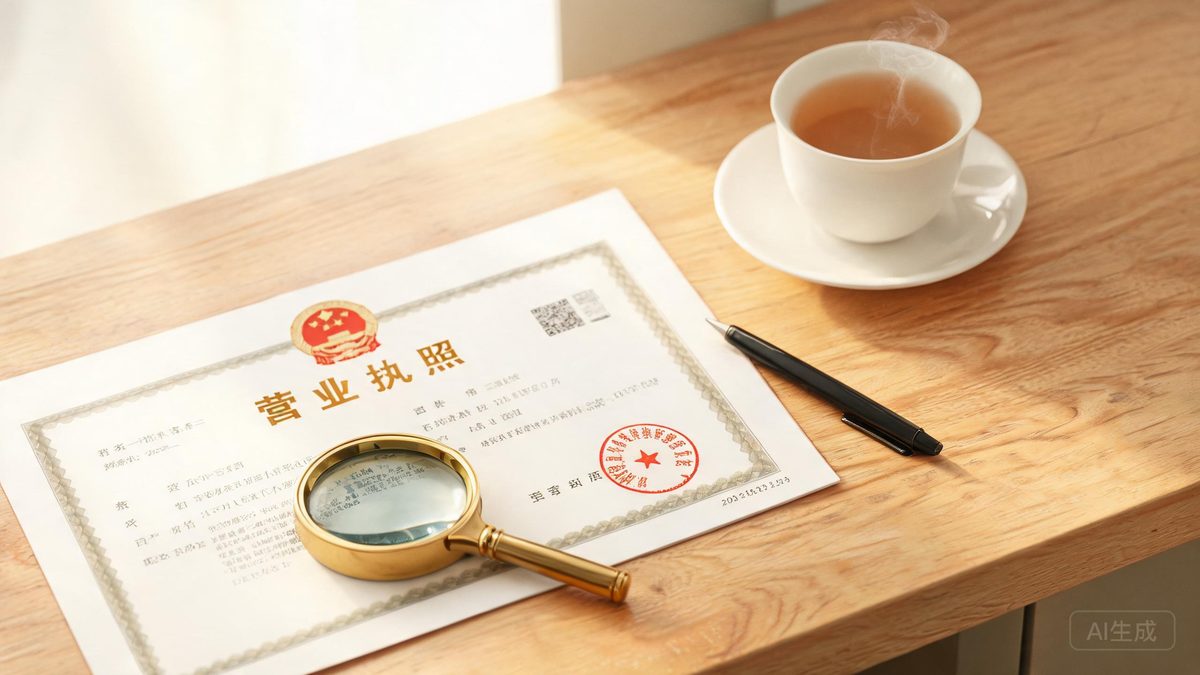
| Business license | Lookup on gsxt.gov.cn | Registered factory, not just trading co. |
| Factory photos | Request production-line photos (not showroom) | Real equipment, workers, your product |
| Trade Assurance | Confirm coverage on Alibaba | Yes — pay only through TA |
| Amazon references | Ask for 2–3 Amazon seller contacts | Will provide; check reviews |
| Compliance docs | Request FCC/CE/CPC/FDA test reports | Real lab reports (SGS/TÜV/Intertek) |
| FBA prep capability | Ask if they do FNSKU, polybag, warning labels | Yes, with photo examples |
| OEM branding | Ask about logo printing & custom boxes | Yes, with MOQ and samples |
| DDP export | Ask if they ship DDP to Amazon FC | Yes, or via their forwarder |
For the step-by-step license lookup process, see how to verify a Chinese supplier's business license.
Red Flags to Avoid
If a supplier shows any of these, walk away — there are thousands of alternatives:
- No real factory photos. Only showroom or stock photos = likely a trading company with a 20–50% markup, or a scammer.
- Too-good-to-be-true price. A quote 40% below every other supplier means hidden defects, B-grade stock, or a scam.
- Demands 100% T/T upfront. Standard terms are 30–50% deposit, balance after QC. Full upfront = no leverage if quality fails.
- Refuses samples. A real factory sends samples for $20–$100 + DHL. Refusal = no real product or scam.
- No Trade Assurance. On Alibaba, always pay through Trade Assurance. A supplier insisting on direct bank transfer is bypassing escrow for a reason.
- Cannot do FBA prep. You'll pay $0.75–$1.50/unit at a US prep center instead of $0.10–$0.30 in China.
Evaluating Suppliers for Amazon FBA
Beyond basic vetting, FBA suppliers need specific capabilities. Evaluate each candidate on:
- OEM branding ability — can they silk-screen, laser-engrave, or UV-print your logo? Can they make custom retail boxes with your brand? What's the MOQ and setup cost?
- FBA prep capability — can they apply FNSKU labels, suffocation-warning polybags, choking-hazard labels, and expiration dating in-house? Ask for photos of previous FBA orders.
- Export compliance — do they have FCC/CE/CPC/FDA test reports with real lab logos? Can they handle DDP shipping with customs clearance?
- Amazon-seller experience — have they supplied other FBA sellers? Ask for references and check the corresponding Amazon listings for review quality.
- Communication & response time — a supplier that replies in 24 hours with clear answers will save weeks vs one that takes 5 days with vague replies.
Worked Example: Finding a Supplier for a $15 FBA Product
Let's walk through finding a supplier for a private-label silicone pet brush (target retail $14.99 on Amazon US), MOQ 500 pcs.
- Step 1 — Search: Search Alibaba for "silicone pet brush" and filter by Verified Supplier + Trade Assurance. Collect 12 listings. Also search 1688 for "硅胶宠物刷" and collect 8 listings.
- Step 2 — RFQ (5 suppliers): Send an RFQ to 3 Alibaba and 2 1688 suppliers (via agent). Include: 500 pcs, custom logo (silk screen), custom retail box, FBA prep (polybag + FNSKU), FCC-free (silicone, no electronics), DDP to LAX9. Ask for EXW + DDP pricing, MOQ, lead time, and sample cost.
- Step 3 — Compare quotes:
| Supplier | EXW/unit | DDP/unit | Logo MOQ | Lead Time | FBA Prep |
|---|---|---|---|---|---|
| Alibaba A (factory) | $2.10 | $3.20 | 500 pcs | 25 days | Yes |
| Alibaba B (trading) | $2.60 | $3.90 | 300 pcs | 30 days | Yes |
| Alibaba C (factory) | $1.90 | $3.00 | 1,000 pcs | 20 days | Partial |
| 1688 D (factory, via agent) | $1.50 | $2.40 | 500 pcs | 25 days | Via agent |
| 1688 E (factory, via agent) | $1.65 | $2.55 | 300 pcs | 22 days | Via agent |
- Step 4 — Vet top 2: Vet Alibaba A and 1688 D (lowest DDP with FBA prep). Verify licenses, request factory photos, ask for Amazon references. Both pass.
- Step 5 — Sample: Order 2 samples from each ($30 each + DHL). Compare quality, logo print, box quality. Alibaba A's sample is better; 1688 D is cheaper but box is thinner.
- Step 6 — Place order: Choose Alibaba A. Place 500 pcs at $3.20 DDP = $1,600. Pay 40% deposit ($640) via Trade Assurance, balance after AQL 2.5 QC. Total landed (including FBA fees) ~$9.50/unit → sell at $14.99 → 37% margin.
Price Negotiation Tips
- Quote 3+ suppliers and show the lowest quote — factories will match or beat a competitor's price to win the order.
- Negotiate landed cost, not unit price — a $0.20 cheaper EXW means nothing if freight is $0.50 more. Compare DDP all-in.
- Offer volume commitment — "I'll order 500 now and 2,000 next month if quality is good" often drops the unit price 10–15%.
- Bundle services — ask for free logo setup or free sample if you commit to the order. Setup fees ($50–$200) are negotiable.
- Pay in USD via Trade Assurance — avoid CNY conversion fees; suppliers prefer USD for export orders.
- Don't over-negotiate — squeezing 5% off a $2/unit product risks the factory switching to cheaper materials. Quality costs money.
How Yeatru Finds FBA Suppliers
Yeatru Sourcing maintains a database of 75,000+ verified factories across Yiwu, Shenzhen, Guangzhou, and Ningbo. Our supplier discovery process:
- Search Alibaba, 1688, and our internal factory database for your product
- Shortlist 5–8 suppliers, verify business licenses on gsxt.gov.cn
- Request 3 competing quotes (EXW + DDP) with OEM and FBA pricing
- Conduct factory audit (in-person or via SGS) for orders over $10,000
- Order samples from top 2 and test quality + branding + FBA prep
- Negotiate final price, MOQ, lead time, and payment terms
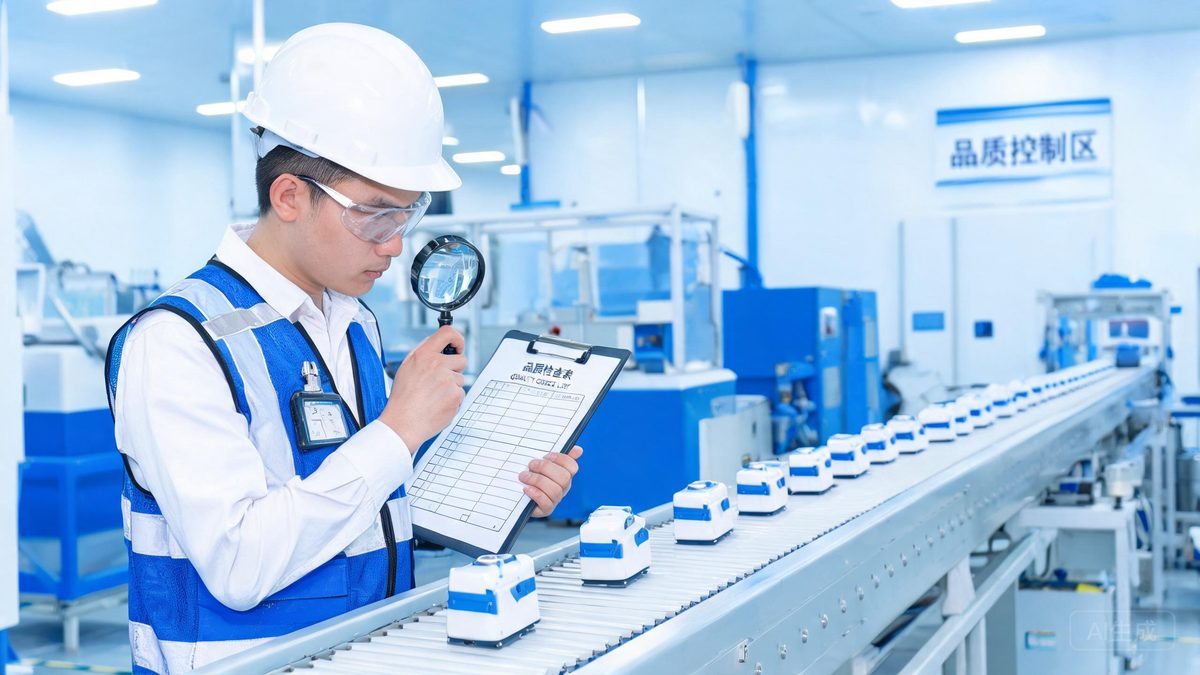
- Manage production, AQL 2.5 QC, FBA prep, and DDP shipping to your FC
For a comparison of using Yeatru vs going direct on Alibaba, see Alibaba vs sourcing agent. For 1688 access in English, see 1688 shopping agent.
Frequently Asked Questions
1. Alibaba vs 1688 — which is better for Amazon FBA?
Alibaba is international, English-language, with Trade Assurance and Verified Supplier badges — easier for new buyers but prices are 10–30% higher. 1688 is Chinese domestic, no English, lower factory-direct prices (often 20–40% cheaper), but requires an agent or Chinese speaker to navigate and verify suppliers. Use Alibaba for small first orders; use 1688 through an agent for volume.
2. How do I vet a Chinese supplier for Amazon FBA?
Verify the business license on gsxt.gov.cn, request factory photos (production line, not just showroom), ask for Amazon seller references, confirm Trade Assurance coverage, check for required certifications (FCC/CE/CPC/FDA), and order a sample before placing a PO. A factory audit by SGS or a sourcing agent is recommended for orders over $10,000. See the license verification guide.
3. Is Alibaba Trade Assurance safe?
Yes. Trade Assurance holds your payment in escrow and releases it to the supplier only after you confirm the goods match the agreed specs (or after the inspection period). It covers product quality, on-time shipment, and payment protection up to the order value. Always pay through Trade Assurance for Alibaba orders — never pay by direct bank transfer to an unverified account.
4. What does Verified Supplier mean on Alibaba?
Verified Supplier means Alibaba has inspected and authenticated the supplier's business license, factory address, and legal status through a third-party verification company. It confirms the supplier is a real registered business, but it does not guarantee product quality or that they own a factory (some verified suppliers are trading companies). Gold Supplier is a paid membership tier, not a quality guarantee.
5. Can I use 1688 without a sourcing agent?
Technically yes, but 1688 is entirely in Chinese, requires a Chinese phone number and Alipay for payment, and most suppliers do not speak English or handle export paperwork. Without an agent, you risk communication errors, no export compliance, no QC, and no recourse if the supplier defaults. A 1688 shopping agent charges 3–8% commission and handles translation, payment, QC, and export. See 1688 shopping agent.
6. What criteria make a supplier good for Amazon FBA?
A good FBA supplier can: do OEM branding (logo, custom packaging), handle FBA prep in-house (FNSKU labels, polybag, warning labels), provide required compliance docs (FCC/CE/CPC/FDA), export directly with DDP shipping, and has Amazon seller references. Avoid suppliers who refuse samples, demand 100% T/T upfront, or cannot do FBA prep. For the full sourcing workflow, see FBA sourcing from China.
Common Pitfalls to Avoid
- Shipping without FBA prep in China. FBA charges $0.50–$1.50/unit for polybagging and labeling in the US. Doing it in China costs $0.05–$0.15/unit — a 90% saving on 1,000 units = $500–$1,000.
- Wrong FNSKU labels or case-pack rules. Mislabeled units = FBA receiving delays, $0.15/unit relabeling fee, and potential account flags. Verify label placement and case-pack quantities before shipping.
- No compliance documentation for restricted categories. Children's products need CPC, electronics need FCC, food-contact needs FDA. Missing docs = FBA inventory destroyed, not returned.
- Underestimating FBA receiving time. FBA takes 3–7 days to check in inventory after arrival. Factor this into your restock timeline alongside the 25–40 day sea freight.
- Running out of stock. A stockout drops your Amazon BSR and you lose ranking to competitors. Maintain a 30-day safety stock and order 45–60 days before depletion.
Conclusion
Finding a reliable Amazon FBA supplier on Alibaba or 1688 is a vetting exercise, not a price race. Start on Alibaba with Trade Assurance for your first order (100–500 pcs), then switch to 1688 via a sourcing agent for volume to capture the 20–40% factory-direct discount. Vet every supplier on gsxt.gov.cn, demand factory production-line photos and Amazon-seller references, require Trade Assurance, and never pay 100% upfront. The best FBA suppliers do OEM branding, FBA prep (FNSKU, polybag, warning labels), export compliance, and DDP shipping in-house — saving you 60–80% on US-side prep. Place a test order first, run AQL 2.5 QC, and only scale after the test order passes and sells. Get a free supplier-matching quote from Yeatru — we'll shortlist 3 verified FBA-ready factories, compare quotes, and handle the full sourcing-to-FC pipeline. Related: how to choose a sourcing agent, Incoterms comparison.