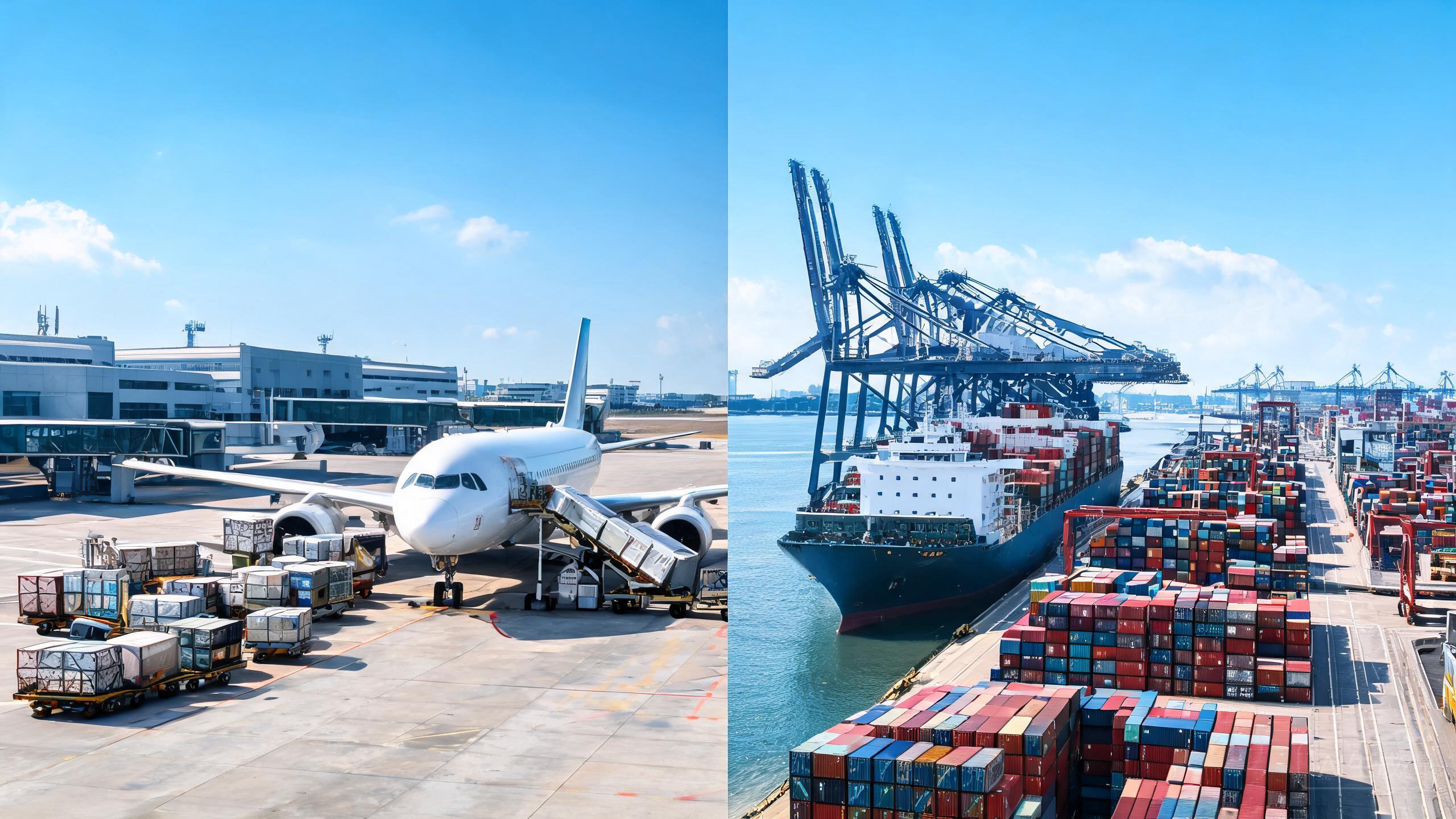
What Are FCA and FOB?
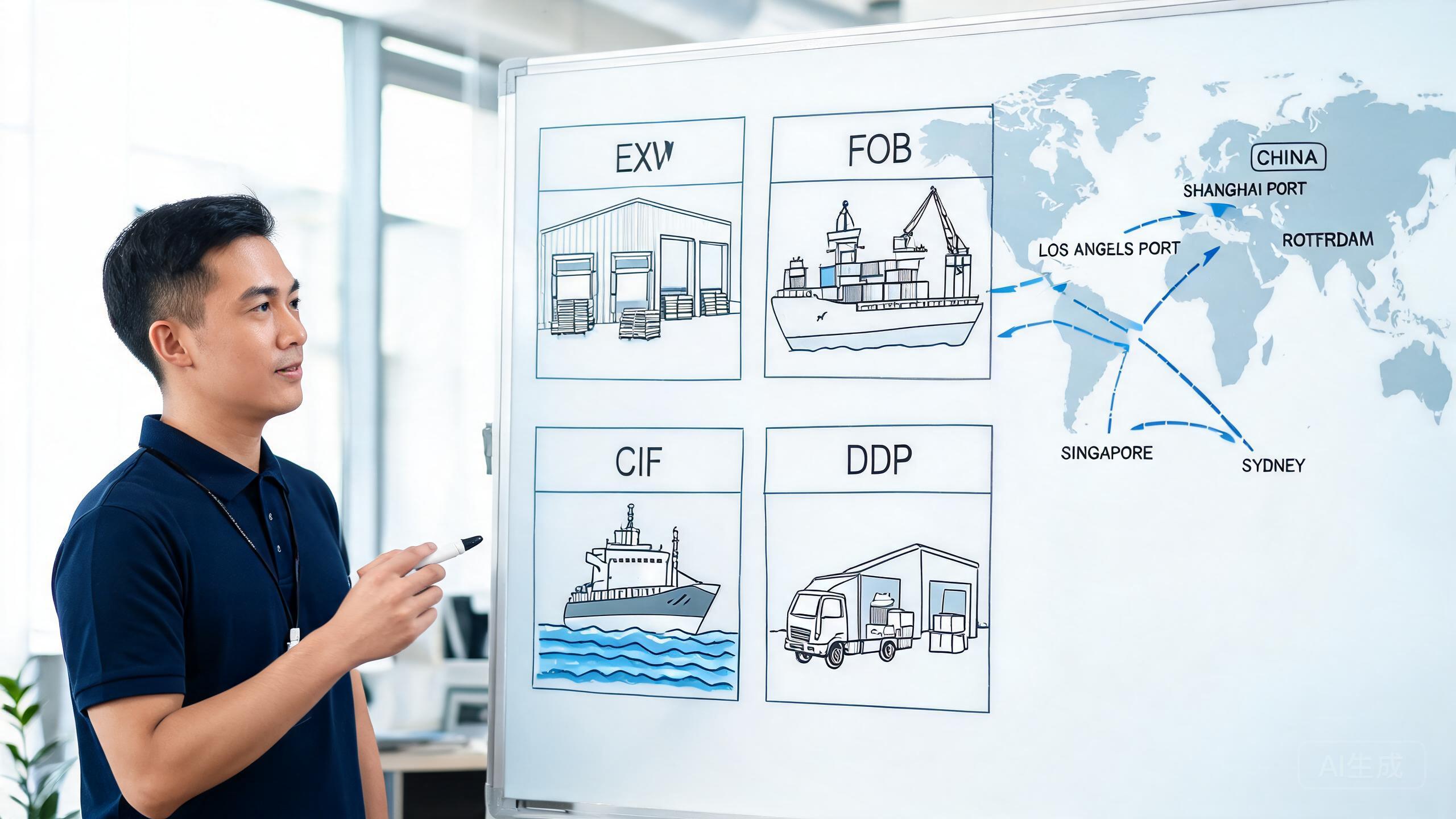
FCA (Free Carrier) and FOB (Free On Board) both require the seller to clear goods for export and deliver them to a carrier, with the buyer paying international freight, insurance, import duty, and last-mile. The difference is the type of carrier and the legal point of risk transfer:
- FCA: the seller delivers goods to a named carrier at a named place (e.g., "FCA Hong Kong Air Cargo Terminal" or "FCA Ningbo CFS Warehouse"). Works for any mode of transport — air, sea, road, rail, or multimodal.
- FOB: the seller delivers goods on board a vessel at the named port of shipment (e.g., "FOB Shanghai"). Works for sea and inland waterway transport only.
The critical mistake buyers make: using FOB for air freight or LCL. Under FOB, risk doesn't legally transfer until goods are "on board the vessel" — which never happens for air freight (there's no vessel). That ambiguity can void your cargo insurance or leave risk with the seller for the entire journey.
FCA vs FOB: Side-by-Side Comparison
| Aspect | FCA (Free Carrier) | FOB (Free On Board) |
|---|---|---|
| Transport modes | All (air, sea, road, rail, multimodal) | Sea & inland waterway only |
| Delivery point | Named carrier at named place | On board vessel at port |
| Export clearance | Seller | Seller |
| International freight | Buyer | Buyer |
| Insurance | Buyer | Buyer |
| Import clearance & duty | Buyer | Buyer |
| Risk transfer | To named carrier | On board the vessel |
| Best for | Air freight, LCL, multimodal | Sea FCL |
Why FOB Is Wrong for Air Freight
FOB's risk transfer point is "on board the vessel." For air freight, there is no vessel — cargo goes from the airline warehouse onto an aircraft. If your PI says "FOB Shanghai" for an air shipment:
- Insurance ambiguity: your cargo insurer may deny a claim because the goods were never "on board a vessel." The risk-transfer event never occurred.
- Legal gray area: if goods are damaged between the seller's truck and the aircraft, who bears the loss? FOB doesn't clearly say.
- Bill of lading mismatch: air freight uses an Air Waybill (AWB), not a bill of lading. FOB references "on board" which is a BOL concept.
Solution: for air freight, use FCA (e.g., "FCA Shanghai Pudong Airport"). Risk transfers cleanly when the airline accepts the cargo, and insurance coverage is unambiguous.
Why FCA Is Better for LCL
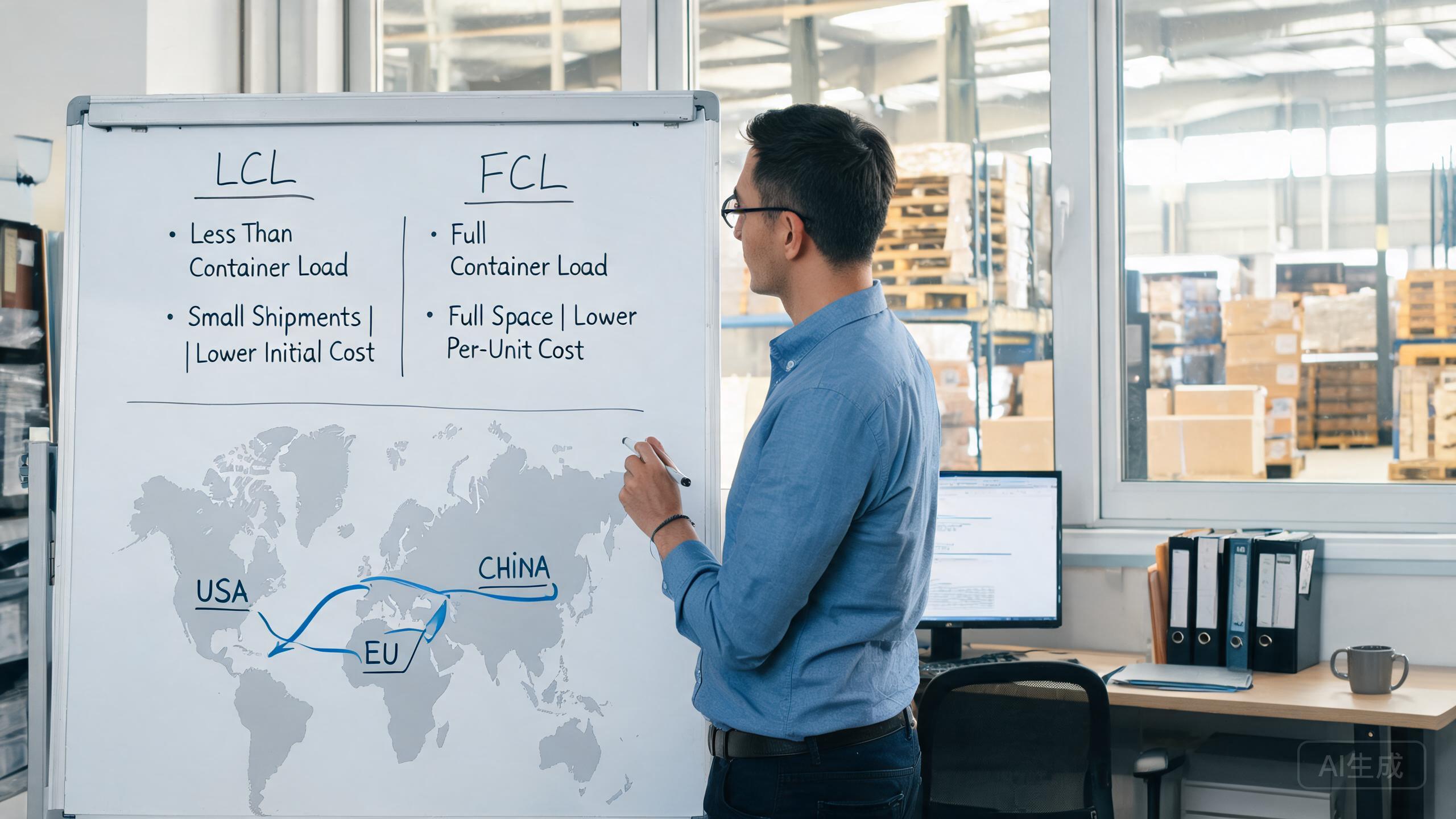
LCL (Less than Container Load) shipments go through a consolidator's warehouse (CFS — Container Freight Station), not directly onto a vessel. Under FOB, the seller would need to deliver the cargo all the way onto the vessel — but for LCL, the consolidator does that. Under FCA, the seller delivers to the consolidator's warehouse, and the consolidator takes over. This is the correct and clean arrangement for LCL.
Practically, many suppliers quote "FOB" for LCL and it works because the consolidator handles the handoff. But legally and for insurance clarity, FCA is the correct term for LCL.
When to Use FOB
- Sea FCL (Full Container Load) — the cargo goes directly from the seller's truck onto the vessel at the port. FOB is the standard and most common term for China sea FCL.
- When you want the supplier to deliver to the port and load the container, and you (the buyer) arrange the ocean freight.
When to Use FCA
- Air freight — legally required; FOB doesn't apply.
- LCL shipments — the seller delivers to the consolidator's CFS warehouse.
- Multimodal shipments (sea-air, sea-truck, rail-sea) — FCA works across modes.
- Road or rail freight to neighboring countries (e.g., China to Central Asia by rail).
Cost Comparison: FCA (Air) vs FOB (Sea)
500 units of small electronics, Yiwu to Los Angeles. Air (FCA) vs Sea FCL (FOB):
| Line Item | FCA (Air, 5 days) | FOB (Sea FCL, 25 days) |
|---|---|---|
| Goods | $8.00 | $8.00 |
| China inland + export | included in FCA | included in FOB |
| Freight Yiwu→LA | $4.50 (air, ~$6.50/kg) | $0.80 (sea FCL share) |
| Insurance | $0.04 | $0.02 |
| US customs + duty | $0.60 | $0.60 |
| Total per unit | $13.14 | $9.42 |
| Transit time | ~5 days | ~25 days |
FCA air costs $3.72/unit more but arrives 20 days faster. For time-sensitive shipments (Amazon restock, seasonal products, sample-to-production bridge), FCA air is worth the premium. For cost-sensitive bulk, FOB sea is the default.
How Yeatru Quotes FCA vs FOB
Yeatru automatically uses FCA for air and LCL quotes and FOB for sea FCL quotes, matching the Incoterms 2020 rules. We explain the difference on every quote so you understand the risk transfer point and can confirm your insurance covers the journey.
Frequently Asked Questions
1. What is the difference between FCA and FOB?
FCA (Free Carrier) works for all transport modes; the seller delivers to a named carrier. FOB (Free On Board) works only for sea and inland waterway; the seller delivers on board a vessel. Both require the seller to clear export and the buyer to pay freight, insurance, import, and duty. Risk transfers to the carrier (FCA) or on board the vessel (FOB).
2. Can I use FOB for air freight?
No — not legally cleanly. FOB's risk transfer requires goods to be "on board a vessel," which doesn't exist for air freight. This ambiguity can void your cargo insurance. Use FCA for air freight instead — risk transfers when the airline accepts the cargo.
3. Which is cheaper, FCA or FOB?
The Incoterm itself doesn't change cost much — both have the seller handle export and the buyer handle freight. The cost difference comes from the transport mode: FCA is typically used for air/LCL (faster, more expensive), FOB for sea FCL (slower, cheaper). For the same mode, FCA and FOB are nearly identical in cost.
4. Is FCA the same as FOB for LCL?
Practically similar, but FCA is legally correct for LCL. Under FOB the seller would need to deliver on board the vessel, but for LCL the consolidator does that. FCA has the seller deliver to the consolidator's CFS warehouse, which is the actual handoff point.
5. Who clears export under FCA and FOB?
Under both FCA and FOB, the seller clears export. This is one of the key advantages over EXW (where the buyer clears export).
6. When does risk transfer under FCA?
Under FCA, risk transfers to the buyer when the goods are delivered to the named carrier at the named place (e.g., airline cargo terminal, consolidator's warehouse, port). The seller bears risk during inland transit to the carrier.
Conclusion
FCA and FOB are nearly identical in cost and responsibility — the difference is transport mode. Use FOB for sea FCL (the China default) and FCA for air freight, LCL, and multimodal (where FOB's "on board a vessel" requirement doesn't apply). Using the wrong term for air freight can void your insurance and leave you with denied claims. Get a quote from Yeatru — we match the Incoterm to your transport mode automatically.