FOB vs EXW vs DDP from China in 2026: costs, risks, customs, and which Incoterm saves you the most.
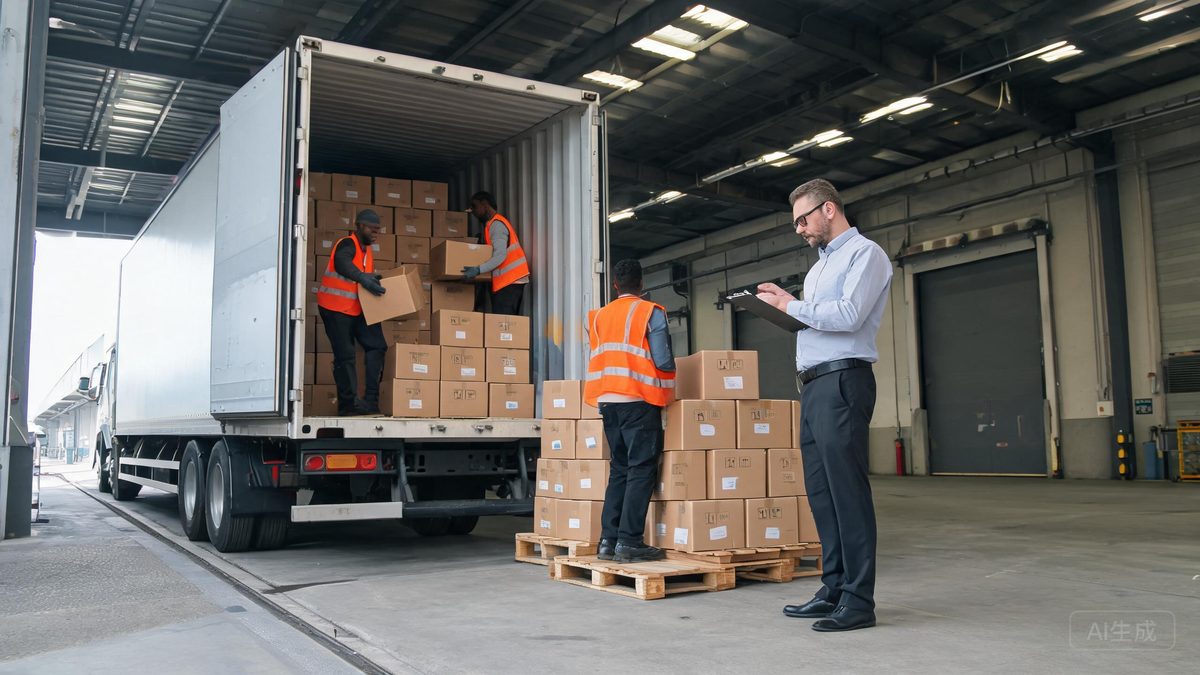
For Amazon FBA sellers, distributors, and procurement teams moving goods out of China, the three-letter Incoterm on your commercial invoice quietly decides who arranges freight, who clears customs, and who eats losses when a container is delayed. With US de minimis eliminated since May 2 2025, EU CBAM now in force, and Section 301 tariffs still applying, picking FOB, EXW, or DDP in 2026 is no longer a paperwork formality — it is a margin decision.
Quick Answer: For most importers in 2026, DDP delivers the lowest total landed cost on orders under 500 kg because the seller absorbs freight, customs, and Section 301 duties into one quote of $4–8/kg, while FOB beats DDP on full-container loads where the buyer controls ocean freight and customs; EXW rarely wins because the buyer shoulders every cost and risk.
What Do FOB, EXW, and DDP Mean?
Incoterms (International Commercial Terms) are the standard trade terms published by the International Chamber of Commerce that define who pays for freight, who handles customs, and where risk transfers from seller to buyer. The three most common Incoterms used when sourcing from China in 2026 are EXW, FOB, and DDP.
EXW (Ex Works) — The seller only makes goods available at their factory in China. The buyer arranges pickup, China export clearance, ocean or air freight, import customs, duty, and final delivery. Minimal seller responsibility, maximum buyer workload and risk.
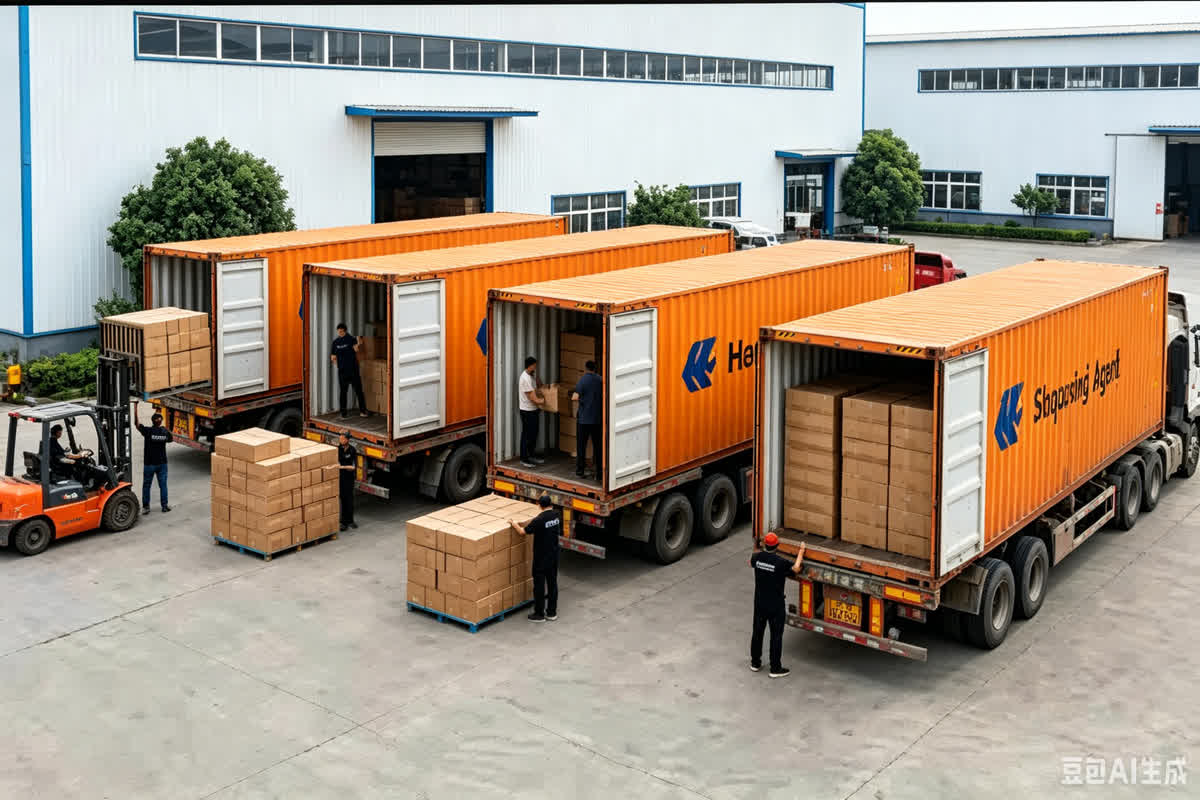
FOB (Free On Board) — The seller delivers goods, cleared for export, onto the vessel at a named Chinese port (e.g., FOB Shenzhen, FOB Ningbo). Risk and cost transfer to the buyer the moment cargo is loaded on board. The buyer books ocean freight and handles destination customs and duty.
DDP (Delivered Duty Paid) — The seller delivers goods to the named destination, import-cleared and duty-paid. The seller bears all cost and risk to the buyer's door, including export and import customs, duties, VAT, and last-mile delivery. Maximum seller responsibility, minimal buyer effort.
FOB vs EXW vs DDP: Side-by-Side Comparison
The table below compares the three Incoterms across the five factors that actually move your margin: who carries risk, who arranges logistics, who handles customs, typical 2026 cost, and which buyer profile each fits best.
| Factor | EXW | FOB | DDP |
|---|---|---|---|
| Buyer risk | Highest | Medium | Lowest |
| Logistics responsibility | Buyer arranges everything from factory | Seller to port; buyer from port | Seller door-to-door |
| Customs handling | Buyer handles export + import | Seller clears export; buyer clears import | Seller clears both export and import |
| Typical cost (2026) | EXW unit + buyer-arranged freight | $2,000–2,650 / 20ft Shenzhen–US West Coast | $4–8/kg air; ~$3,500–5,500/CBM LCL ocean |
| Best for | Experienced logistics teams with China staff | FCL buyers with a freight forwarder | First-timers, LCL, air, Amazon FBA |
In 2026 the cost gap between the three has narrowed in surprising ways. The US eliminated the $800 de minimis threshold on May 2 2025, so every shipment now requires formal customs entry and duty payment — wiping out the old "ship small, skip customs" workaround that made EXW look cheap. Section 301 tariffs of up to 25% still apply to most Chinese goods, and the EU's Carbon Border Adjustment Mechanism (CBAM) now covers steel, aluminum, cement, fertilizers, and hydrogen imports. These rules make DDP's all-in quote more valuable than ever for buyers without in-house customs expertise.
When to Choose FOB from China
FOB is the right call when you already control the freight and customs side of the supply chain. Pick FOB when:
- You ship full container loads (FCL) regularly and have a contracted freight forwarder.
- Your order is larger than 2 CBM or 500 kg, where ocean rate negotiation pays off.
- You have a licensed US or EU customs broker and want direct control over HS code classification.
- You are routing cargo to your own warehouse or a bonded facility, not direct-to-Amazon FBA.
- You want to choose the carrier, vessel schedule, and routing for tight just-in-time delivery.
Typical FOB pricing in 2026: a 20-foot container from Shenzhen to the US West Coast runs $2,000–2,650 in ocean freight, plus origin THC and destination charges handled by your forwarder. Duty and Section 301 tariffs are paid separately at destination by your broker.
When DDP Makes Sense
DDP shifts every cost and risk to the seller until the goods land at your door. It is the right Incoterm when:
- You are a first-time importer with no US or EU customs broker set up.
- You ship small LCL or air freight under 500 kg where per-kg DDP rates of $4–8 are competitive.
- You sell on Amazon FBA and need cargo delivered direct to an FBA fulfillment center.
- Your product has a complex HS code or heavy Section 301 exposure and you want one quote covering duty.
- You are an EU buyer facing CBAM reporting on steel, aluminum, cement, fertilizers, or hydrogen.
DDP all-in pricing in 2026 typically runs $4–8/kg for air freight and roughly $3,500–5,500 per CBM for LCL ocean from China to the US, with the seller absorbing freight, customs clearance, duty, Section 301 tariffs, and last-mile delivery into one written quote.
Common Incoterm Mistakes
Most first-time buyers lose money on Incoterms through the same avoidable mistakes. Fixing these alone can save 10–30% of total landed cost.
- Choosing EXW because it looks cheapest on the quote, while ignoring the freight and customs you must arrange yourself.
- Forgetting that FOB ends at the Chinese port — the buyer still owes destination duty, THC, and last-mile.
- Assuming DDP includes every fee; always confirm whether destination THC, demurrage, and last-mile are included.
- Not updating Incoterm strategy after US de minimis ended May 2 2025 — small EXW shipments now trigger full customs entry.
- Forcing EXW or DAP into Amazon FBA prep — FBA warehouses reject shipments where the buyer is the customs importer of record.
- Leaving the Incoterm off the proforma invoice — under ICC rules, disputes default to EXW, the worst term for buyers.
How Yeatru Can Help
Yeatru Sourcing specializes in helping international buyers choose and execute the right Incoterm when sourcing from China. Based in Yiwu with 75,000+ verified factory relationships, we issue FOB and DDP quotes side-by-side so you can compare true landed cost, not just headline price. Our transparent 3–8% commission covers supplier discovery, AQL 2.5 QC, customs clearance, and door-to-door DDP shipping worldwide.
- Free sourcing quotation within 24 hours with FOB and DDP options compared.
- Verified factories across Yiwu, Shenzhen, Guangzhou, and Ningbo.
- AQL 2.5 quality inspection with photo and video documentation.
- DDP door-to-door shipping to the US, EU, UK, and GCC.
- Section 301 and CBAM compliance support with HS code review.
- 15-day free warehousing for order consolidation before export.
Frequently Asked Questions
1. Which is cheapest FOB EXW or DDP?
For full container loads (FCL), FOB is usually cheapest because buyers control ocean freight at $2,000–2,650/20ft Shenzhen–US West Coast. For small LCL or air shipments under 500 kg, DDP at $4–8/kg all-in often beats the hidden EXW costs of arranging freight, customs, and duty yourself.
2. Is DDP safe for first-time buyers?
Yes — DDP is the safest Incoterm for first-time importers because the seller assumes risk until delivery, handles US customs entry after de minimis ended May 2 2025, and pays Section 301 duties. Verify the seller is a licensed customs broker or partnered with one, and request a written all-inclusive DDP quote.
3. Can I switch from FOB to DDP mid-order?
Yes, but only before cargo is loaded. Both buyer and seller must sign a written amendment to the proforma invoice, and the seller must re-quote freight, duty, and customs clearance costs. Switching after vessel loading is not possible — risk and cost already transferred at the port.
4. Who pays customs under DDP?
Under DDP, the seller pays both export and import customs clearance, including destination duty, VAT, and Section 301 tariffs. In practice the seller often uses a partner broker in the buyer's country. The buyer should still review HS codes and duty rates before signing to confirm the DDP quote is genuine.
5. What does EXW mean for China imports?
EXW (Ex Works) means the seller only makes goods available at the factory in China. The buyer arranges pickup, China export clearance, ocean freight, US import customs, duty, and last-mile. EXW looks cheapest on paper but transfers maximum cost and risk to the buyer — rarely recommended for first-time importers.
6. Which Incoterm do sourcing agents recommend?
Most China sourcing agents recommend FOB for experienced FCL buyers who have a freight forwarder, and DDP for first-time importers, Amazon FBA sellers, or shipments under 500 kg where handling customs after de minimis elimination adds cost and risk. EXW is avoided unless the buyer has staff on the ground in China.
Conclusion
Choose FOB when you control the container and customs; choose DDP when you want one quote, one phone call, and zero customs surprises — and avoid EXW unless you have boots on the ground in China. In 2026, with US de minimis gone, Section 301 tariffs still active, and EU CBAM in force, the Incoterm on your proforma invoice is a margin decision, not a formality. For buyers serious about total landed cost — not just the lowest Alibaba quote — working with a verified China sourcing partner like Yeatru typically returns 12–28% in real savings. Get a free, no-obligation FOB and DDP quote within 24 hours.