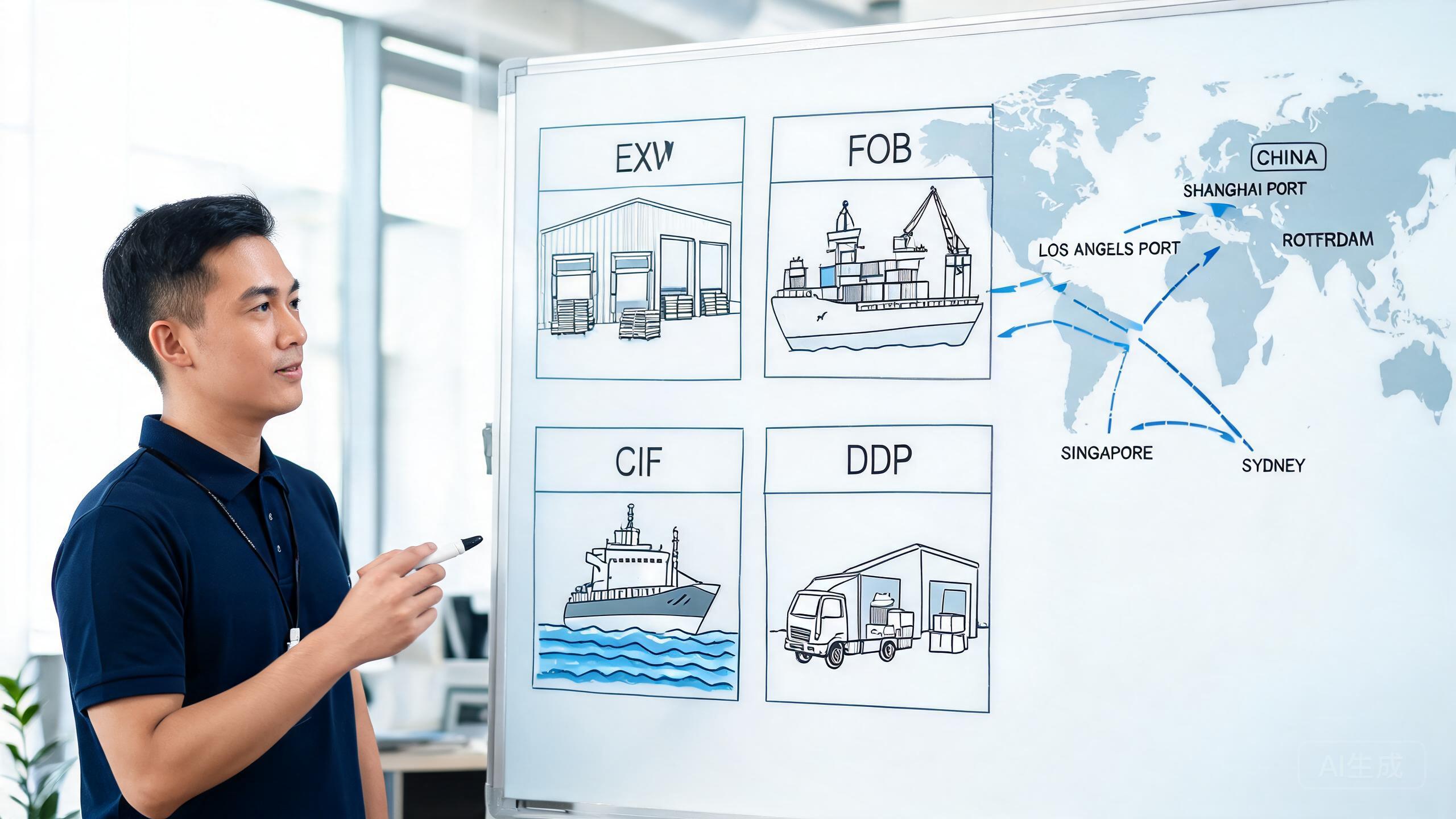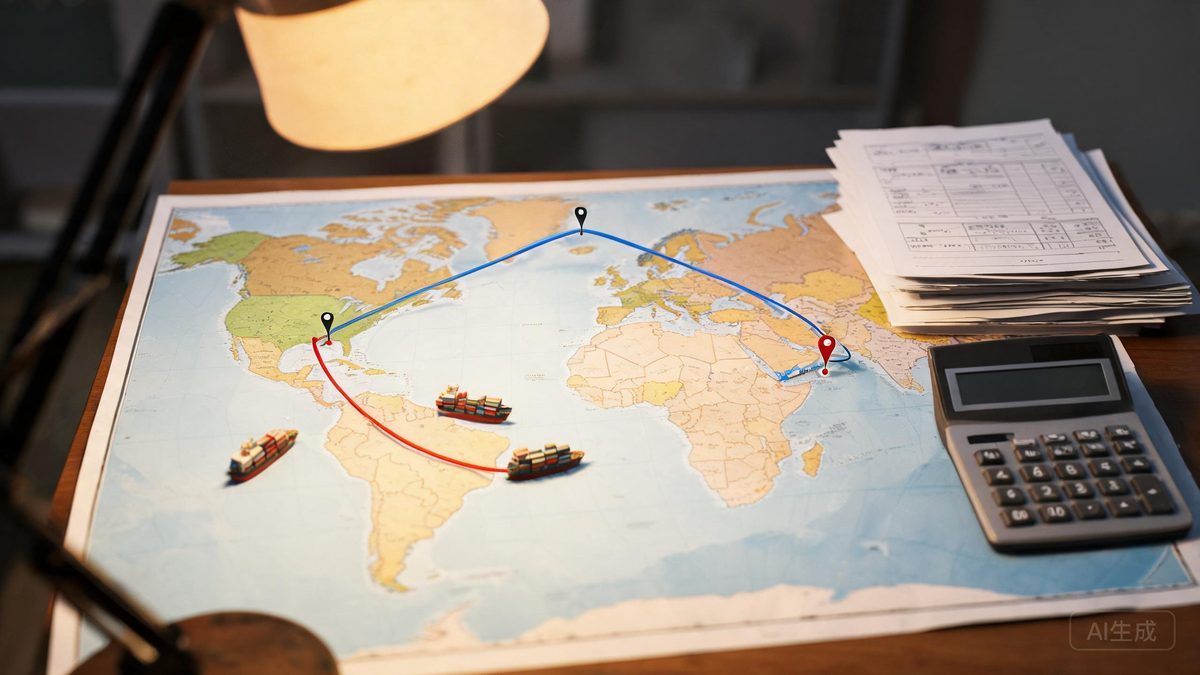
What Are CIF and CIP?
CIF (Cost, Insurance, Freight) and CIP (Carriage and Insurance Paid To) are the two Incoterms where the seller pays for both freight and cargo insurance to the destination. The key difference is transport mode:
- CIF applies to sea and inland waterway transport only. The seller pays freight and insurance to the destination port. Risk transfers when goods are on board the vessel at the port of shipment.
- CIP applies to any mode of transport (air, sea, road, rail, multimodal). The seller pays freight and insurance to the named destination. Risk transfers when goods are handed to the first carrier.
Think of CIP as the all-modes version of CIF. CIP is the correct term when the journey isn't purely sea — for example, Yiwu → Shenzhen truck → Hong Kong air → EU, or China → Europe by rail.
CIF vs CIP: Side-by-Side Comparison
| Aspect | CIF | CIP |
|---|---|---|
| Transport modes | Sea & inland waterway only | All modes (air, sea, road, rail, multimodal) |
| Who pays freight | Seller | Seller |
| Who pays insurance | Seller | Seller |
| Insurance minimum | 110% of CIF value | 110% of CIP value |
| Risk transfer | On board vessel (origin) | To first carrier (origin) |
| Import clearance & duty | Buyer | Buyer |
| Best for | Sea FCL, seller controls ocean line | Air, multimodal, rail freight |
The Insurance Trap: Clauses A vs C
Both CIF and CIP require the seller to buy insurance for at least 110% of the cargo value. But the Incoterms rules don't specify the coverage level. Sellers almost always buy the cheapest available cover:
- Institute Cargo Clauses C (named perils) — covers only total loss from specific events (vessel sinking, fire, collision). Excludes: rough handling, water damage, theft, partial loss. Premium: ~0.15% of cargo value.
- Institute Cargo Clauses A (all risks) — covers all risks of physical loss or damage from any external cause (except a few exclusions like war, strike, inherent vice). Premium: ~0.35% of cargo value.
The premium difference is small: on a $10,000 shipment, Clauses A costs ~$20 more than Clauses C. But the claim difference can be total vs. zero. For a $10,000 shipment with $3,000 of water damage, Clauses C pays $0 (not a named peril) while Clauses A pays ~$3,000 minus deductible.
Always demand Institute Cargo Clauses A in any CIF or CIP quote. If the seller refuses or says "standard CIF cover," assume Clauses C and factor in the risk.
When to Use CIF
- Sea FCL shipments where you want the seller to handle ocean freight and insurance.
- When the seller has preferred carrier rates that beat your forwarder's spot rate.
- Small orders where arranging your own FOB freight isn't worth the admin.
Even when using CIF, compare the freight line against independent forwarder rates and demand Clauses A insurance.
When to Use CIP
- Air freight where you want the seller to pay freight and insurance (CIF doesn't apply to air).
- Multimodal shipments (e.g., China → EU by rail + road, or sea-air combos).
- Rail freight from China to Europe/Central Asia.
- When the journey involves multiple transport modes and CIF's sea-only limitation doesn't fit.
Risk Transfer: The Important Detail
A common misconception: buyers think CIF/CIP means "the seller is responsible until delivery." Wrong. Under both CIF and CIP, risk transfers at the origin:
- CIF: risk transfers when goods are on board the vessel at the port of shipment.
- CIP: risk transfers when goods are handed to the first carrier.
The seller pays for freight and insurance, but the buyer bears the risk of loss during transit. If the ship sinks or the cargo is damaged en route, the buyer (not the seller) files the insurance claim. This is why the insurance clause level matters so much — it's your claim, not the seller's.
How to Convert CIP to FCA (and Save)
Like CIF vs FOB, CIP's freight is marked up by the seller. To save:
- Ask the seller to break out the freight and insurance line items from the CIP quote.
- Subtract them to get the FCA price (seller delivers to carrier, export cleared).
- Get 2–3 independent freight quotes for your route.
- Buy your own Clauses A insurance (cheaper and tailored).
- Compare total landed cost: FCA + your freight + your insurance + duty.
For air freight, FCA + your own air rate + Clauses A insurance usually beats CIP by 8%–15%.
How Yeatru Handles CIF vs CIP
Yeatru quotes CIF for sea and CIP for air/multimodal only when you specifically want seller-paid freight. We always disclose the insurance clause level and recommend upgrading to Clauses A. Most of our clients prefer FOB (sea) or FCA (air) so they control the freight rate and buy their own Clauses A insurance — it's cheaper and the coverage is guaranteed.
Frequently Asked Questions
1. What is the difference between CIF and CIP?
CIF applies to sea and inland waterway only; CIP applies to all transport modes. Both have the seller pay freight and insurance to the destination, and both transfer risk at the origin (on board vessel or to first carrier). CIP is the all-modes equivalent of CIF.
2. Is CIP the same as CIF for air freight?
CIP is the correct term for air freight; CIF does not legally apply to air (no vessel). Both require the seller to pay freight and insurance, but CIP's risk transfer to the first carrier fits air transport.
3. What insurance do CIF and CIP require?
Both require the seller to buy insurance for at least 110% of the cargo value. However, the Incoterms rules don't specify the coverage level. Sellers usually buy the cheapest Clauses C (named perils). Always demand Institute Cargo Clauses A (all risks) — it costs a few dollars more but covers most damage.
4. Under CIF/CIP, who bears the risk during transit?
The buyer. Under CIF risk transfers on board the vessel at origin; under CIP risk transfers to the first carrier at origin. The seller pays for freight and insurance, but if cargo is damaged en route, the buyer files the claim. This is why the insurance clause level matters.
5. Which is cheaper: CIP or FCA?
FCA is usually cheaper by 8%–15% because you control the freight rate (the seller's CIP freight includes a markup) and can buy your own Clauses A insurance at a lower premium. CIP is simpler but costs more for the same coverage.
6. When should I use CIP instead of CIF?
Use CIP for air freight, multimodal shipments, and rail freight — anywhere the journey isn't purely sea. Use CIF only for sea FCL. Both should be negotiated with Clauses A insurance and a verified freight rate.
Conclusion
CIF and CIP both have the seller pay freight and insurance, but CIF is sea-only while CIP works for all modes. The critical detail buyers miss: risk transfers at the origin, not the destination, so the insurance coverage level (Clauses A vs C) is your responsibility to verify. Always demand Clauses A (all risks) insurance. For most buyers, FOB (sea) or FCA (air) is cheaper and gives you control of freight and insurance. Get a CIF vs FOB / CIP vs FCA comparison from Yeatru with full freight and insurance transparency.