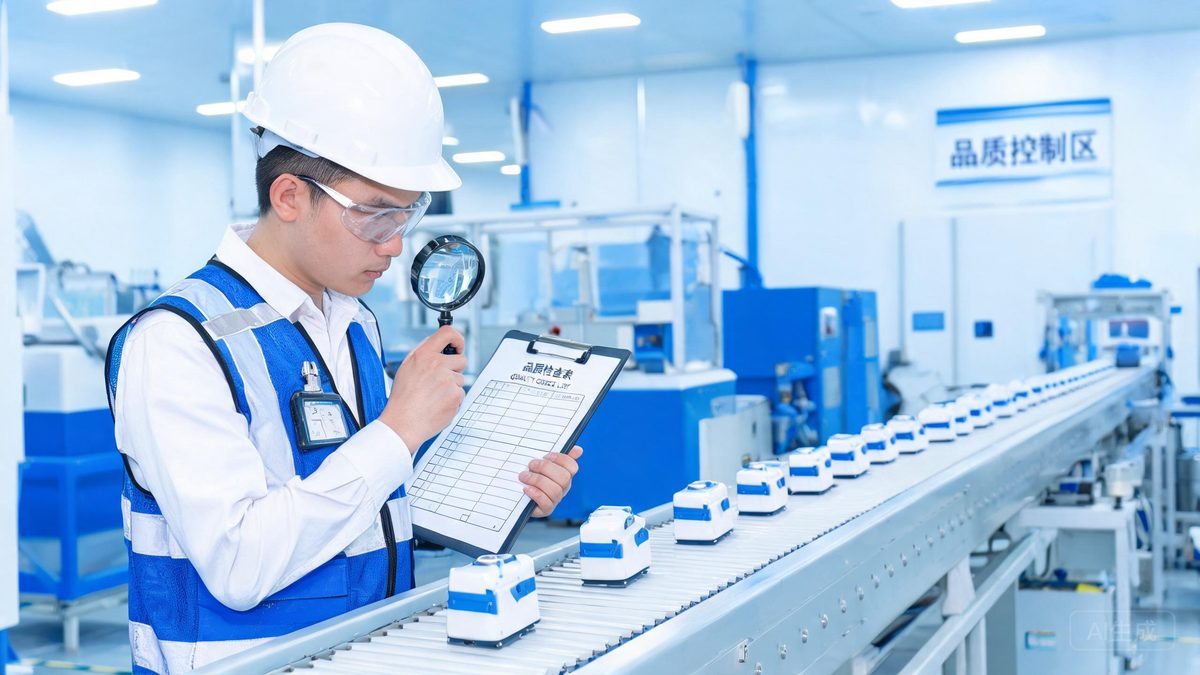
China Sourcing for EU Buyers
China sourcing for European buyers means buying goods from Chinese factories and clearing them into the EU's single market — a process shaped by EU product compliance (CE marking, REACH, RoHS, WEEE, EPR, GPSR), EU customs (EORI, HS-code MFN duty, member-state VAT of 19-23%), and port routing (Rotterdam, Hamburg, Felixstowe, Genoa). An EU-aware China sourcing agent translates factory capability into EU-compliant shipments, handling test reports, EORI registration, DDP/DAP logistics, and VAT recovery so goods clear EU customs on the first attempt.
EU Compliance: CE, REACH, RoHS, WEEE, EPR, GPSR
EU product law is strict and customs enforces it at the border. The regulations that touch most China imports:
- CE marking — required for electronics, toys, machinery, PPE, and medical devices; needs a technical file and EU Declaration of Conformity. See CE certification from China.
- REACH — chemical safety; SVHC above 0.1% must be disclosed. Common for textiles, plastics, jewelry, electronics. See REACH regulation.
- RoHS — restricts hazardous substances in electrical/electronic equipment.
- WEEE — waste electronics recycling scheme; registration and reporting per member state.
- EPR (Extended Producer Responsibility) — eco-fees on packaging, electronics, and batteries (EUR 0.05-0.80/unit).
- GPSR (General Product Safety Regulation, 2024) — broad safety duty on all consumer products with an EU-based responsible person.
- Textile labelling & wood EUTR — fibre-content labels and FLEGT timber due diligence.
EU Country: VAT, Port, Key Compliance
| Country | VAT | Top port | Key compliance |
|---|---|---|---|
| Germany | 19% | Hamburg | CE, REACH, EPR, WEEE, GPSR |
| France | 20% | Le Havre | CE, REACH, EPR, GPSR, DEEE |
| Netherlands | 21% | Rotterdam | CE, REACH, EPR, WEEE |
| Italy | 22% | Genoa | CE, REACH, EPR, RAEE |
| Spain | 21% | Barcelona | CE, REACH, EPR, RDIF |
| Poland | 23% | Gdansk | CE, REACH, EPR, BDO |
EU Import Cost Components
Landed cost for an EU shipment stacks as follows:
| Component | Basis |
|---|---|
| EXW unit price | Factory price |
| China inland + export clearance | $80-$300 per shipment |
| Sea/air freight to EU port | $0.50-$6.00/kg by mode |
| EU MFN duty | HS-code rate, 0-14% |
| Import VAT | 19-23% on (goods + freight + duty) |
| Customs clearance/broker | EUR 80-$200 per shipment |
| EPR eco-fee | EUR 0.05-0.80/unit by category |
| Inland delivery to warehouse | EUR 150-$600 by distance |
Worked Example: German Seller, 1,000 Electronics Units
1,000 units of a CE-marked electronic product, EXW China, shipped DDP to a German warehouse.
| Cost line | EUR |
|---|---|
| Goods EXW (1,000 x EUR 8.50) | EUR 8,500 |
| China-EU sea freight DDP (~600 kg) | EUR 1,150 |
| EU MFN duty (4% on goods) | EUR 340 |
| German VAT 19% on (goods + freight + duty) | EUR 1,898 |
| EPR eco-fee (electronics, EUR 0.45/unit) | EUR 450 |
| Customs clearance/broker | EUR 120 |
| Total landed cost | EUR 12,458 |
| Per-unit landed cost | EUR 12.46 |
A product that costs EUR 8.50 at the factory lands at EUR 12.46 in Germany — a 47% uplift from freight, duty, VAT, and EPR. Model this before fixing a retail price; under-pricing is the most common EU launch mistake.
DDP vs DAP, EORI, and IOSS
- EORI — mandatory for B2B EU imports; one number works EU-wide. Apply in your home member state.
- DDP — shipper delivers duty and VAT paid; simplest for first imports, but the shipper's VAT may be unrecoverable.
- DAP — you self-clear and pay duty/VAT, enabling VAT recovery; needs a broker and EORI.
- IOSS — for B2C distance sales under EUR 150; VAT collected at checkout and remitted via one EU portal.
Port Routing & EUR/RMB Hedging
Route by your warehouse country to cut inland haulage: Rotterdam for Benelux and pan-EU distribution, Hamburg for Germany/DACH, Felixstowe for the UK post-Brexit, Genoa/Barcelona for Italy/Spain. On currency, lock an EUR/RMB forward rate for the 30-60 day production window; a 3-5% RMB move can erase a thin margin.
Why an EU-Aware Agent Matters
EU compliance is the leading cause of China-sourced shipments being held or destroyed. An EU-aware agent:
- Confirms CE and REACH test reports from the factory before production.
- Handles EORI registration, DDP/DAP routing, and VAT recovery paperwork.
- Routes to the right EU port and consolidates multi-SKU shipments.
- Manages EPR registration and eco-fee reporting per member state.
- Coordinates with EU customs brokers to clear on the first attempt.
For comparison, see how EU-wide sourcing differs from UK sourcing post-Brexit and Latin America sourcing.
How Yeatru Serves EU Buyers
Yeatru Sourcing ships DDP to Germany, France, the Netherlands, Italy, Spain, and Poland weekly:
- CE/REACH/RoHS/WEEE/EPR compliance check before the 50% balance.
- Factory test-report verification and EU Declaration of Conformity support.
- EORI guidance, DDP or DAP routing via Rotterdam/Hamburg/Genoa.
- AQL 2.5 pre-shipment QC and multi-SKU consolidation in Yiwu/Shenzhen.
- EUR/RMB hedging advice and per-unit landed-cost modeling.
Frequently Asked Questions
1. Do EU imports from China need CE marking?
Most electronics, toys, machinery, PPE, and medical devices sold in the EU need CE marking with a valid technical file and EU Declaration of Conformity. Goods without it are detained or destroyed at EU customs. See CE certification from China.
2. What is REACH and does it apply to my product?
REACH regulates chemicals in all goods sold in the EU. Any product containing substances of very high concern above 0.1% needs disclosure. Textiles, plastics, jewelry, and electronics commonly require REACH test reports from the factory. See REACH regulation.
3. What is EPR and who pays it?
Extended Producer Responsibility makes the importer pay for end-of-life recycling of packaging, electronics, and batteries. You register per EU country, report volumes, and pay eco-fees — typically EUR 0.05-0.80 per unit depending on category.
4. Do I need an EORI number to import to the EU?
Yes for B2B imports. An EORI (Economic Operators Registration and Identification) number is required for EU customs clearance. Apply in your home member state; one EORI works across the whole EU.
5. DDP vs DAP shipping from China to the EU — which?
DDP means the shipper delivers duty and VAT paid to your door — simplest but the shipper's VAT can be unrecoverable. DAP means you clear and pay duty/VAT yourself, letting you recover VAT. Choose DDP for first imports, DAP once you have a broker and VAT recovery set up.
6. Which EU port should I route my China shipment through?
Rotterdam for Benelux and pan-EU distribution; Hamburg for Germany/DACH; Felixstowe for the UK post-Brexit; Genoa or Barcelona for Italy/Spain. Route by your warehouse country to minimize inland trucking.
Conclusion
Sourcing from China into the EU lives or dies on compliance: CE marking, REACH, RoHS, WEEE, EPR, and GPSR gatekeep the border, while member-state VAT (19-23%) and EU MFN duty stack onto every unit. A 1,000-unit electronics order at EUR 8.50 EXW lands at EUR 12.46/unit in Germany once freight, duty, VAT, and EPR are added. An EU-aware sourcing agent handles test reports, EORI, DDP/DAP routing, port selection, and VAT recovery so your shipment clears the first time. Get a free EU landed-cost quote from Yeatru — we will model your per-unit cost and route to the right port within 24 hours.