What Is Battery Shipping Compliance?
Battery shipping compliance is the set of rules governing how lithium and lithium-metal batteries (and products containing them) are classified, packaged, documented, and declared when exported from China. Because lithium batteries are Class 9 Dangerous Goods (they can short-circuit, overheat, and catch fire), carriers — airlines, ocean lines, and trucking firms — enforce IATA (air), IMDG (sea), and US/EU road regulations strictly. Sourcing power banks, Bluetooth speakers, e-bikes, or battery-powered toys from China means you must get the UN number, UN38.3 report, MSDS, packaging, and labeling exactly right, or your cargo gets refused.
Battery UN Numbers & Packaging Instructions
| UN No. | Description | IATA Packaging | Typical Product |
|---|---|---|---|
| UN3480 | Lithium-ion cells/batteries (standalone) | PI965 | Power banks, spare Li-ion cells |
| UN3481 | Lithium-ion packed with/in equipment | PI966 / PI967 | Bluetooth speaker, laptop with battery |
| UN3090 | Lithium-metal cells/batteries (standalone) | PI968 | Disposable lithium primary cells |
| UN3091 | Lithium-metal packed with/in equipment | PI969 / PI970 | Camera with non-rechargeable battery |
The most common China-export battery product is the power bank (UN3480) and battery-in-equipment consumer electronics (UN3481). For Amazon FBA and most retail, UN3481 is easier to ship than UN3480 because it rides as "with equipment" and has looser air limits.
Required Documents for Battery Exports
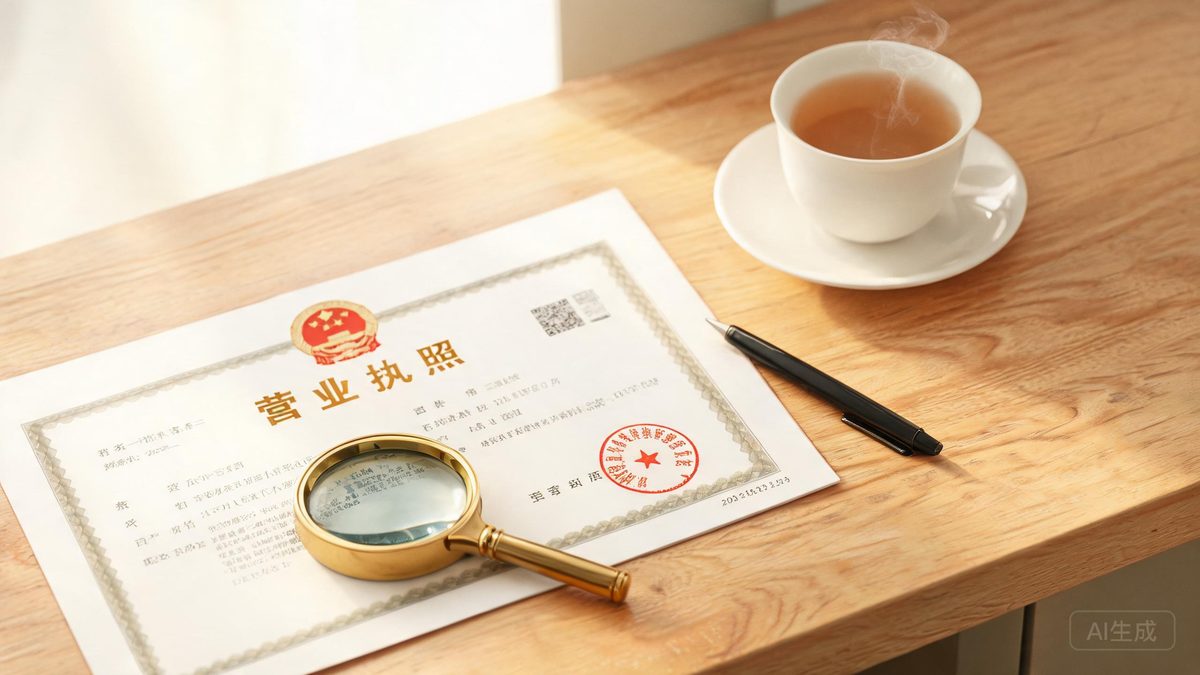
- UN38.3 Test Report — the battery has passed 8 tests (thermal, altitude, vibration, shock, impact, crush, overcharge, forced discharge). Mandatory for all lithium battery shipments. Cost $300–$800 per cell model from a CNAS-accredited lab; valid 5 years.
- SDS / MSDS (Safety Data Sheet) — 16-section document covering hazards, composition, first-aid, handling, and transport. Provided by the battery manufacturer.
- Dangerous Goods Declaration — DGD for air (IATA format); Shipper's Declaration for sea (IMDG format). Completed by the shipper and counter-signed by the DG-certified forwarder.
- Battery Letter — manufacturer letter confirming cell model, capacity, and UN38.3 compliance.
- Commercial invoice + packing list — must state the UN number, battery type, watt-hour (Wh) rating, and net weight.
Air Freight Rules for Batteries (IATA DGR)
Air is the most regulated mode. Key rules:
- Passenger-belly flights generally refuse UN3480 (standalone Li-ion); freighter aircraft accept it.
- State of Charge (SOC) ≤ 30% for all lithium batteries shipped by air (IATA PI965-970 Section II).
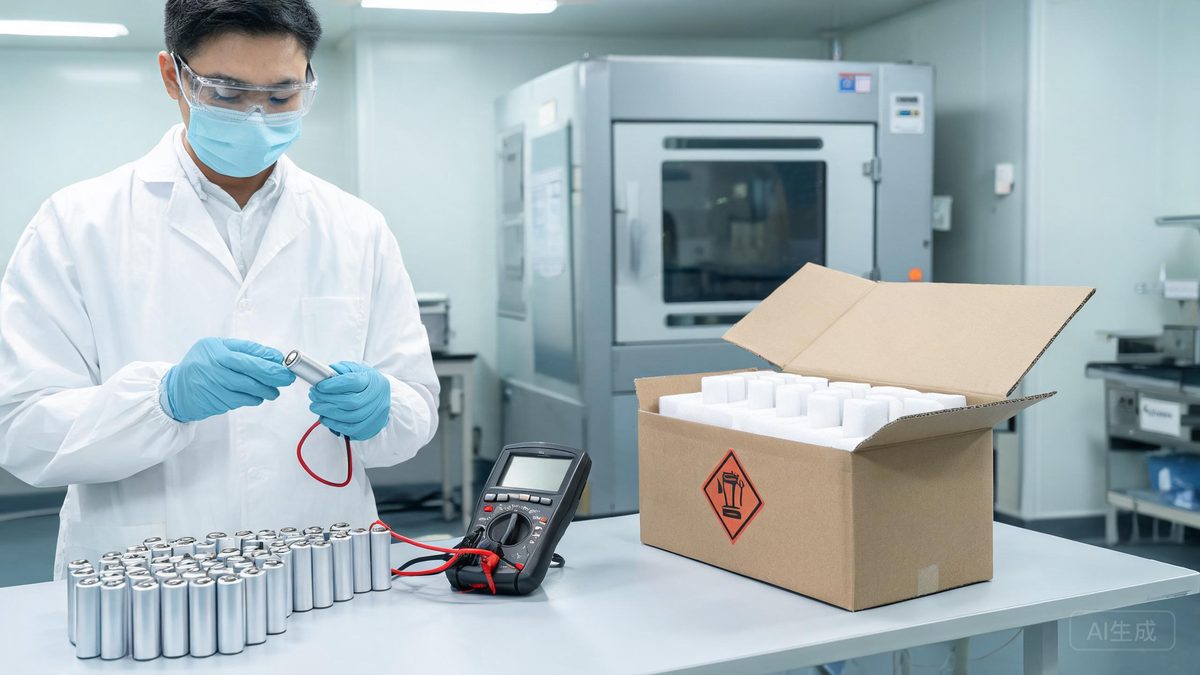
- Non-conductive inner packaging for each cell; terminals protected against short circuit.
- Quantity limits per package (e.g., PI965 Section II: max 2.5 Wh per cell for small, or kg limits for larger).
- DG surcharge of $0.50–$1.50/kg on top of standard air freight from China.
- Magnetized or flammable-electrolyte batteries need additional handling.
Sea Freight Rules for Batteries (IMDG Code)
Sea is more permissive and cheaper for bulk battery shipments:
- Classified as IMDG Class 9 (Miscellaneous Dangerous Goods).
- Packages marked with the lithium battery mark + UN number + shipper/consignee + net weight.
- Shipper's Declaration for Dangerous Goods required; container packed per IMDG packing certificate.
- Stowage: segregated from sources of heat and incompatible goods; no over-stack crush risk.
- Sea freight cost from China: $0.80–$2.50/cbm (DDP, duty included) for battery cargo — see sea freight rates.
Worked Example: 500 Power Banks (UN3480) by Sea from Shenzhen
A Yeatru client ships 500 power banks (10,000 mAh, 37 Wh each, UN3480) from Shenzhen to Los Angeles.
- Factory provided UN38.3 test report (CNAS lab, $450, valid 5 years) + SDS.
- Each power bank individually boxed (non-conductive), 20 units per outer carton, terminals protected.
- Outer cartons marked with UN3480, lithium-battery mark, shipper, net weight 12 kg/carton.
- Shipper's Declaration (IMDG) + packing certificate filed by the DG forwarder.
- Sea DDP: 25 cartons / 2 cbm / 300 kg → $80/cbm × 2 = $160 freight all-in, 32 days door-to-door.
- Compliant shipment cleared both China export and US import without inspection.
Total DG documentation cost: $450 (one-time UN38.3, reusable for 5 years). Per-unit DG cost on this 500-unit order: $0.90.
Common Mistakes & Penalties
- Under-declaring battery content (e.g., declaring a power bank as "electronics") — biggest single cause of cargo seizure.
- Shipping UN3480 on a passenger-belly flight — cargo offloaded, forwarder fined, shipper blacklisted.
- Missing UN38.3 report or an expired one (over 5 years) — shipment refused at origin.
- SOC above 30% on air shipments — airline rejects the consignment.
- No lithium-battery mark or wrong UN number on cartons — customs holds the container.
Penalties range from $1,000 (administrative) to $10,000+ per violation, plus return freight and storage. Repeat offenses get the shipper on the carrier's DG blacklist.
How Yeatru Manages Battery Shipments
Yeatru coordinates DG-certified battery shipping from Shenzhen and Yiwu:
- Verify the factory's existing UN38.3 and SDS or arrange fresh testing (CNAS labs, $300–$800).
- Classify the correct UN number and IATA/IMDG packaging instruction.
- Supervise export DG declaration and Shipper's Declaration filing.
- Book cargo on freighter aircraft for UN3480 (not passenger belly) and DG-accepted ocean lines.
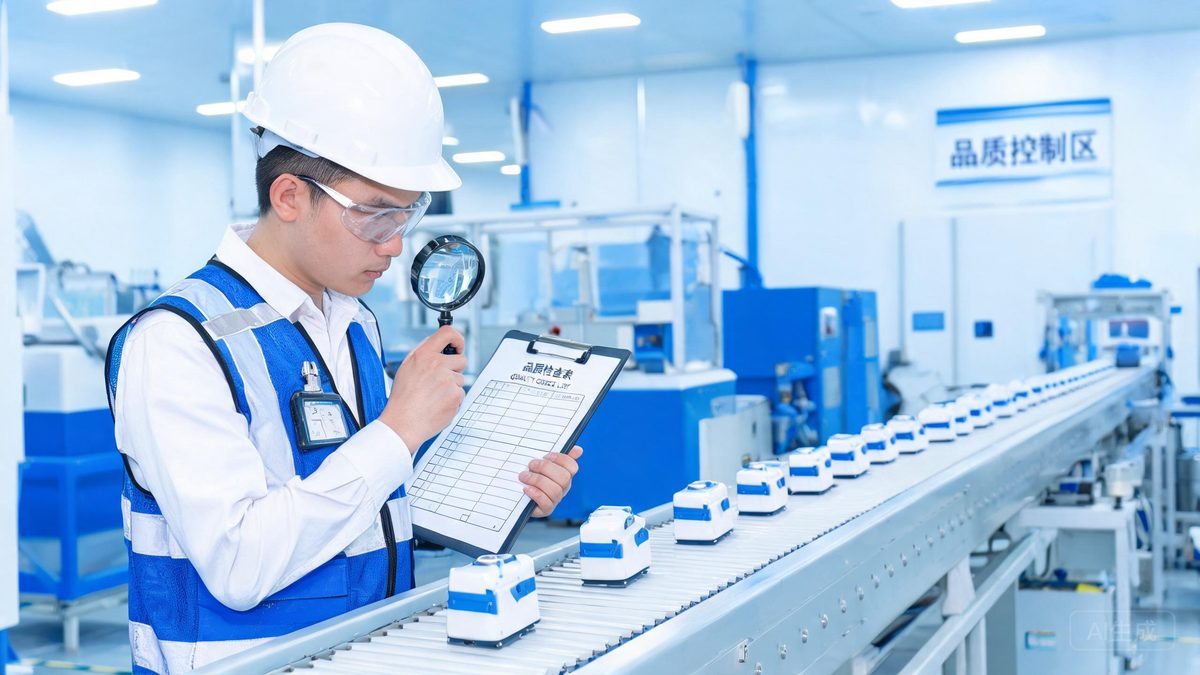
- Ensure carton markings, SOC ≤ 30% for air, and non-conductive inner packaging via pre-shipment QC.
Frequently Asked Questions
1. What UN number do I use for lithium batteries from China?
Use UN3480 for standalone lithium-ion cells/batteries, UN3481 for lithium-ion packed with or in equipment, UN3090 for standalone lithium-metal cells/batteries, and UN3091 for lithium-metal packed with or in equipment. The UN number drives the packaging instruction (PI965–PI970) and carrier acceptance.
2. What is UN38.3 and do I need it?
UN38.3 is a mandatory battery safety test (thermal, vibration, shock, crush, impact, overcharge, short-circuit, altitude) required for all lithium battery shipments. It must be renewed every 5 years or when cell chemistry changes. Chinese battery factories provide it for $300–$800 per cell model.
3. Can I ship lithium batteries by air from China?
Yes, with restrictions. Most passenger-belly flights refuse UN3480; freighter aircraft accept it under PI965. SOC must be ≤ 30%, inner packaging non-conductive, and package quantity limits apply. Expect a $0.50–$1.50/kg DG surcharge on top of standard air rates from China.
4. What documents are required to ship batteries from China?
Required: UN38.3 test report, SDS/MSDS, Dangerous Goods Declaration (DGD for air / Shipper's Declaration for sea), commercial invoice, packing list, and a manufacturer battery letter. For sea, also an IMDG packing certificate from the forwarder.
5. How should lithium batteries be packaged and labeled?
Each cell in non-conductive inner packaging, terminals protected against short circuit, cushioned. Outer cartons need the lithium battery mark, UN number (e.g., UN3480), shipper/consignee, net weight, and orientation labels. Overpacks show "OVERPACK" plus all inner marks.
6. What are the penalties for non-compliant battery shipments?
Non-compliance leads to cargo offload (returned at sender's cost), fines of $1,000–$10,000 per violation, airline/forwarder blacklisting, and in severe cases criminal liability for undeclared DG. Always declare honestly and use a DG-certified forwarder.
Conclusion
Shipping batteries from China is manageable if you classify the UN number, hold a valid UN38.3 + MSDS, and follow IATA (air) or IMDG (sea) packaging rules. Air freight needs ≤30% SOC and freighter aircraft for UN3480; sea freight is cheaper and more permissive as Class 9. The cost of compliance (UN38.3 at $300–$800, reusable 5 years) is tiny compared to a $1,000–$10,000 fine or a blacklisted shipment. Send Yeatru your battery spec for a DG-compliant freight quote — we handle classification, documentation, and packaging verification from the factory floor.