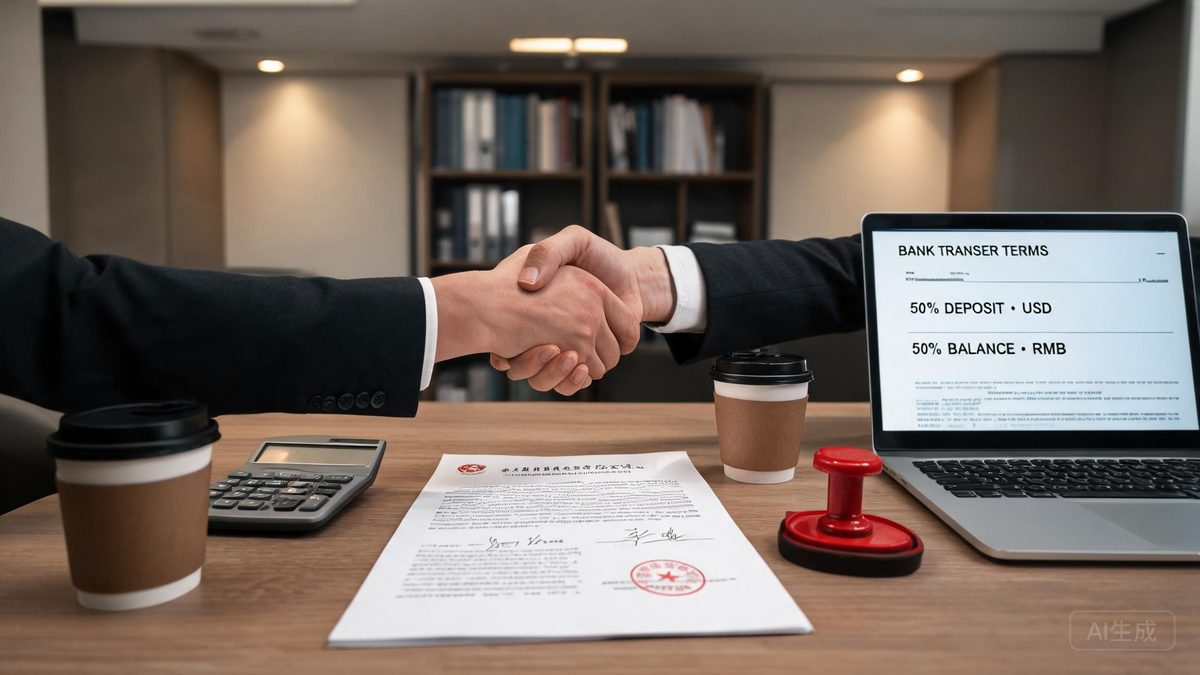
What Is the 50/50 Deposit Rule?
The 50/50 deposit rule is the standard China-sourcing payment structure where a buyer pays 50% of the order total as a deposit to trigger production, and the remaining 50% as a balance only after pre-shipment QC passes and before cargo leaves the factory. It applies to OEM/private-label, custom-manufactured, and most Alibaba trade orders above roughly $2,000. It does not apply to ready-stock Yiwu wholesale goods (those are usually 100% with order) or to small sample orders (PayPal/credit card). The 50/50 split is the market equilibrium — high enough that the factory can buy raw material and commit line capacity, low enough that the buyer keeps half the value as leverage for quality and on-time shipment.
Why 50/50 — Not 100% Upfront, Not 0% Deposit
Buyers new to China often ask why they can't pay 0% (pay on delivery) or insist on 100% upfront to "speed things up". Neither works in practice. The table below shows how the three structures split risk between buyer and factory.
| Structure | Buyer Risk | Factory Risk | Realistic For |
|---|---|---|---|
| 100% upfront | Very high — supplier can vanish, ship junk, or ignore QC | None | Only trusted long-term suppliers, <$1,000 samples |
| 50/50 (standard) | Balanced — 50% at risk during production, 50% as QC leverage | Balanced — 50% material/labor sunk if buyer abandons | OEM/private-label, custom orders $2k-$500k |
| 30/70 | Lower deposit risk, weaker QC leverage | Higher — 70% unpaid until shipment | Long-term partners, repeat orders |
| 0% deposit (pay on delivery) | None | Very high — factory funds entire production with no commitment | Almost never accepted in China OEM |
The 50/50 split exists because it is the only point where both parties have skin in the game. The factory's 50% deposit covers raw material, components, and labor for the first half of production; your 50% balance is the only thing standing between you and a container of defective goods.
The 50/50 Payment Milestone Schedule
A correctly structured 50/50 order ties the balance payment to a concrete QC milestone — not to "the factory says it's done". Below is the milestone schedule Yeatru uses in every proforma invoice.
| Milestone | % Paid | Trigger | Risk If Skipped |
|---|---|---|---|
| Deposit | 50% | PI signed + factory confirmed raw material | Factory won't start; line slot lost |
| In-process check (optional) | 0% | 20-30% of order produced — verify workmanship early | Catches systemic defects before full run |
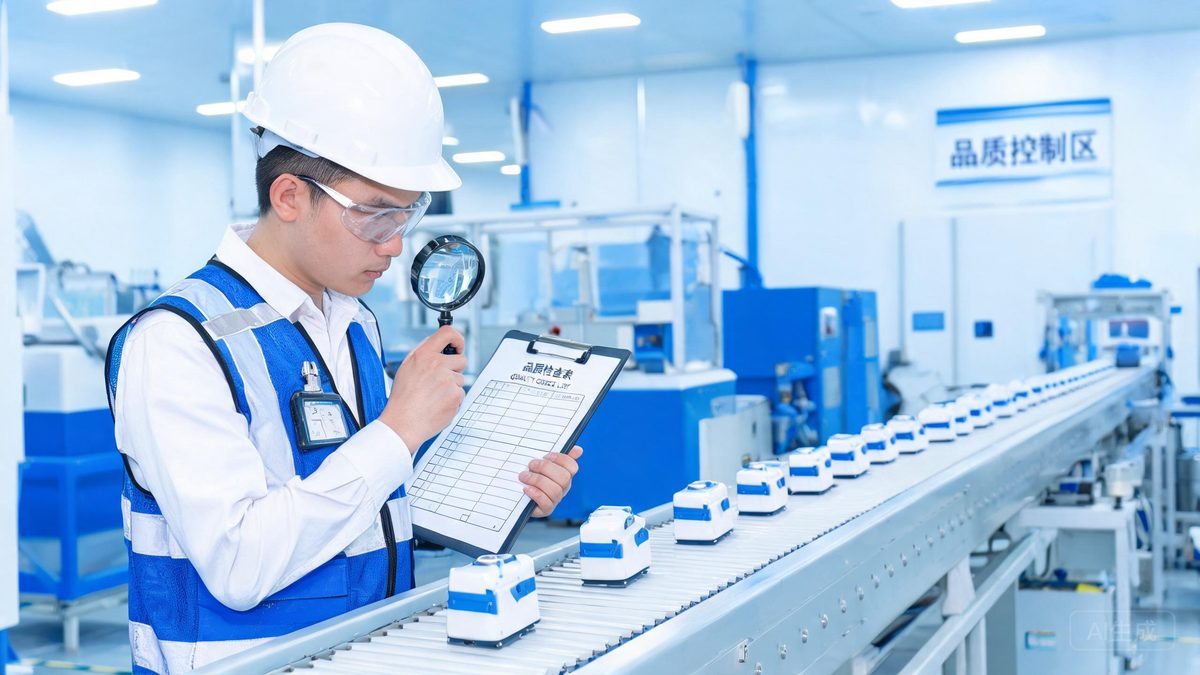
| Pre-shipment QC gate | 0% | 100% produced, packed, AQL 2.5 inspected, photo/video approved | Defects ship; balance becomes leverage-free |
| Balance | 50% | QC report PASS + factory books vessel/flight | Factory may hold cargo; demurrage at origin port |
| Ship-out | 0% | Container gated-in / AWB issued / BL copy | No proof cargo actually left |
The non-negotiable clause: balance is released only after the AQL 2.5 pre-shipment report is approved. See pre-shipment inspection in China for the report format.
Payment Methods Compared: T/T vs XTransfer vs Trade Assurance vs PayPal vs L/C
Within the 50/50 framework, you still must pick a payment rail for each wire. The rail determines fees, speed, and how much protection you get if the supplier defaults.
| Method | Fee (typical) | Speed | Buyer Protection | Best For |
|---|---|---|---|---|
| T/T (bank wire) | $30-$50 per wire + 0.1% intermediary | 2-4 business days | None — funds are final once received | Deposit & balance on most orders ≥$2k |
| XTransfer | 0.4%-1.0% + ~$15 fixed | 1-2 days | Beneficiary-name verification, escrow option | USD payments, buyer-side account control |
| Alibaba Trade Assurance | 0% (free) + 2.95% card surcharge if card | 1-3 days | Alibaba mediation + refund on QC/shipment failure | Orders placed on Alibaba.com only |
| PayPal | 4.4% + $0.30 cross-border | Instant | Buyer Protection 180 days | Samples & orders <$1,000 only |
| Letter of Credit (L/C) | 0.1%-0.5% of order + $150-$400 bank fees | 5-15 days to issue | High — bank pays only on docs | Orders ≥$50,000 with new large suppliers |
For most 50/50 orders in the $2k-$50k range, T/T is the practical default: factories expect it, it's cheap, and it clears in 2-4 days. The risk is mitigated not by the rail itself but by the 50/50 split + QC gate + supplier verification layered on top — see how to verify a Chinese supplier's license and fake invoice red flags.
Worked Example: $20,000 Order Paid 50/50
Below is a real-world 50/50 flow on a $20,000 custom silicone-kitchenware order from a Yiwu factory, shipped to the US by sea DDP.
- Day 0 — PI signed. PI lists unit price $4.00 × 5,000 pcs = $20,000 EXW, 50/50 terms, balance after AQL 2.5 pre-shipment QC pass, beneficiary = the licensed company name (verified on gsxt.gov.cn).
- Day 2 — Wire #1 (deposit): T/T $10,000 to the supplier's USD account. Bank fees: $40 (your bank) + $15 (intermediary) + $0 (beneficiary receives net). Factory confirms receipt Day 4, starts buying silicone raw material.
- Day 28 — Pre-shipment QC gate: Yeatru inspector runs AQL 2.5 single sampling (General Inspection Level II) on 200 cartons. Inspection fee: $268 for one man-day. Result: 2.1% minor defects (within AQL), PASS. Photo + video report sent to buyer.
- Day 30 — Wire #2 (balance): Buyer approves report, T/T $10,000 balance. Same $40+$15 wire fees. Factory books vessel, container gates in Day 33.
- Day 35 — BL copy + ship-out: Factory sends telex-release BL. Cargo sails Yiwu → Ningbo → Long Beach, arrives Day 60, customs cleared DDP Day 63.
Total fees on a $20,000 50/50 order: 2× T/T wires (~$110) + 1× AQL QC day ($268) = $378, or 1.9% of order value. Had the buyer used Trade Assurance by card, fees would be ~$590 (2.95%) — but with refund protection. Had the buyer used PayPal, fees would be ~$880 (4.4%) — and most factories refuse PayPal at this size.
What to Put in the Proforma Invoice (PI)
The PI is the contract. A weak PI is the single most common reason buyers lose disputes — without clauses, you have no leverage at the balance stage. Every 50/50 PI must contain:
- Buyer & seller legal names matching the business license and your company registration.
- Item, spec, material, HS code — generic descriptions like "silicone spatula" are unenforceable; cite the spec sheet revision.
- Unit price, currency, total EXW/FOB + incoterms (see Incoterms guide).
- Payment structure: 50% deposit / 50% balance, with explicit triggers — "balance due only after buyer-approved AQL 2.5 pre-shipment inspection".
- Beneficiary bank details — account name, SWIFT, bank, branch — and a clause that the account must match the licensed company name.
- Production lead time (e.g. 30 days from deposit receipt) and ship-by date with penalty clause.
- QC standard (AQL 2.5 single, General Level II) and who pays for re-inspection if FAIL.
- IP / NDA clause if custom mold or private label — link to your IP protection agreement.
- Defect & rework policy — max acceptable defect rate, rework cost owner, replacement shipment terms.
- Signature & chop — supplier's red company chop (印章) is legally binding in China; an email PDF without chop is weak.
Scams the 50/50 Rule Prevents
- "Paid 100%, supplier vanished" — the #1 China sourcing scam. A 50/50 split caps your maximum exposure at half the order value.
- "Factory ships junk, demands balance" — the QC gate means you only release balance after seeing photo/video proof the goods are spec-compliant. Defects ship only if you approve.
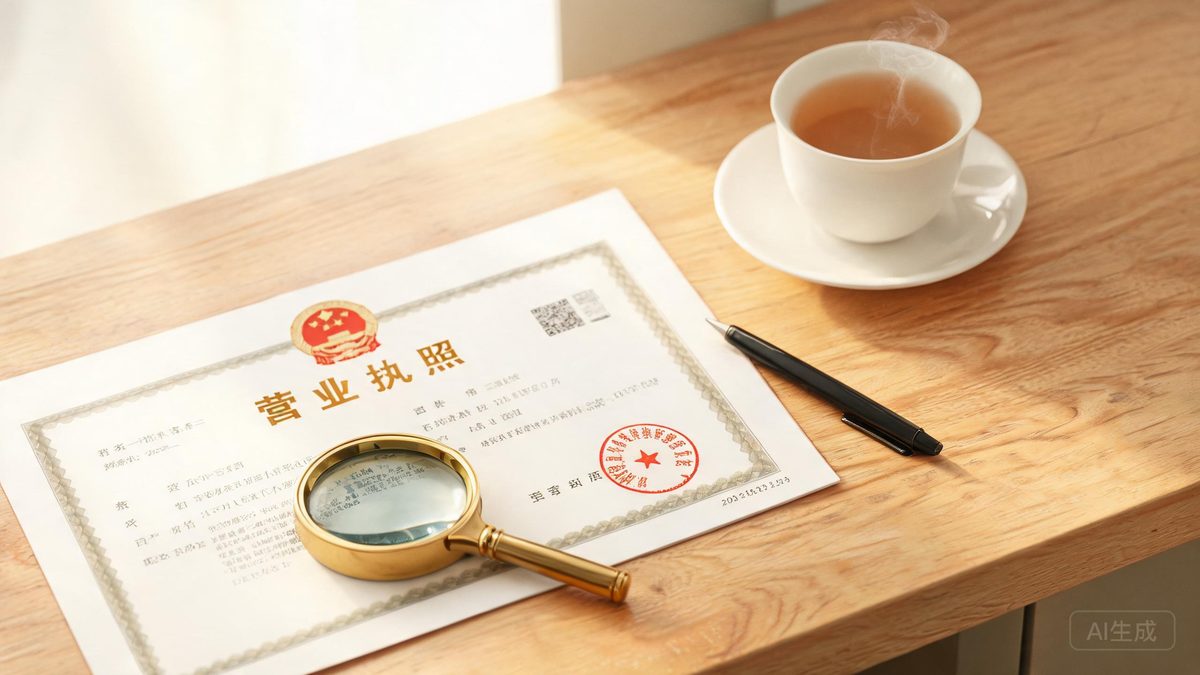
- "Personal account instead of company account" — a legitimate factory gives a beneficiary name matching its 营业执照. A personal-name account is a fake-invoice red flag — see fake invoice detection.
- "Bait factory, switch to trading company" — verify before deposit that the company on the PI is the licensed manufacturer, not a shell — license verification.
- "No QC, balance auto-released" — if the PI doesn't tie balance to QC, the factory can ship and demand balance sight-unseen. The 50/50 rule's power is the gate, not just the split.
How Yeatru Structures 50/50 Orders
Yeatru Sourcing runs 50/50 payment on every custom-manufactured order out of Yiwu. Our standard flow:
- Business-license + bank-account verification before the PI is signed — beneficiary name must match gsxt.gov.cn.
- PI drafted in bilingual EN/CN with the 10 mandatory clauses above, including the QC-gate clause.
- Deposit wired only after the buyer signs the PI and the factory confirms raw-material availability in writing.
- AQL 2.5 pre-shipment inspection at 100% production-complete, with photo + video + defect tally within 24 hours.
- Balance released only on buyer's written approval of the QC report — never auto, never on "factory says it's done".
- Container loading supervised (CFS) with seal-number photo before the truck leaves.
Frequently Asked Questions
1. Is a 50% deposit normal in China sourcing?
Yes. For OEM/private-label and custom-manufactured orders above ~$2,000, 50% deposit / 50% balance after pre-shipment QC is the de-facto market standard. Yiwu ready-stock wholesale often requires 100% with order; small samples go via PayPal. Demands for 100% upfront on a custom order are a red flag — see China sourcing scams.
2. Can I negotiate 30/70 instead of 50/50?
Sometimes, on repeat orders or with long-term partners. A 30% deposit / 70% balance lowers your deposit exposure but weakens the factory's incentive to start production — they need ~50% to cover raw material. New suppliers almost always refuse 30/70; expect to offer it only after 2-3 successful 50/50 orders.
3. What if the supplier demands 100% upfront?
Walk away, or insist on 50/50 with a QC gate. Demanding 100% T/T before production on a custom order is the classic pre-payment scam signature. The only acceptable 100% upfront cases are (a) ready-stock Yiwu goods under $1,000, (b) sample orders, or (c) a long-term supplier you've paid 5+ times without issue.
4. Does Alibaba Trade Assurance replace 50/50?
It can replace the rail (you pay through Alibaba instead of T/T), but most Alibaba orders still use 50/50 inside Trade Assurance — you pay 50% deposit to start, 50% balance after QC. Trade Assurance adds refund mediation if the supplier defaults on quality/shipment, but only if the order is placed on Alibaba.com with the contract attached. See Trade Assurance guide.
5. Can I use escrow to hold the deposit?
True escrow is rare in China B2B. The closest practical equivalents are XTransfer's escrow option, Alibaba Trade Assurance (escrow-like mediation), or a Letter of Credit (the bank pays only on shipping docs). Pure third-party escrow services exist but factories rarely accept them — and a factory that refuses Trade Assurance usually refuses escrow too.
6. How do I recover if balance-paid goods arrive defective?
Recovery is hard and slow. Your leverage is gone once the balance is paid, so the only real protection is the pre-shipment QC gate. If defects slip past QC: (1) document with photos within 7 days of arrival, (2) cite the PI's defect clause and demand rework/replacement, (3) file a Trade Assurance claim if applicable, (4) for fraud, file with China's 12315 consumer complaint system or via a China lawyer on the contract. Most cases settle at 10-30% refund. The cheapest defense is always AQL 2.5 pre-shipment inspection before balance release.
Conclusion
The 50/50 deposit rule works because it is the only payment structure where both buyer and factory have real money at risk at the same time — 50% lets the factory buy material, 50% keeps you as the quality gatekeeper. Pay 100% upfront and you invite the #1 China sourcing scam; insist on 0% deposit and no factory starts a custom run. The structure's real power is the QC-gated balance — release the second 50% only after an AQL 2.5 pre-shipment report you approve. Pair it with a verified beneficiary-matching bank account, a 10-clause PI, and supplier-license verification, and your odds of a clean shipment jump from "hope" to near-certain. Get a free 50/50 payment-structure review from Yeatru — we'll draft your PI, run the pre-shipment QC, and hold the balance release until you approve.