
What Is a Sourcing Agent?
A sourcing agent is an independent professional or company based in a manufacturing country, most commonly China, that represents overseas buyers rather than suppliers. The core job of a sourcing agent is to bridge the gap between a foreign buyer who wants reliable products at factory prices and a network of local factories that the buyer cannot easily reach, vet, or communicate with on their own. Instead of buying goods and reselling them at a markup, a sourcing agent charges a transparent fee and works on the buyer's behalf, just like an in-house procurement team would, but without the overhead of a full-time overseas staff.
The distinction matters. When you buy through a trading company, that company owns the goods, marks up the price, and is legally the seller. When you work with a sourcing agent, you remain the buyer. The agent finds factories, negotiates on your behalf, runs quality inspections, consolidates shipments, and arranges export, but you pay the factory directly for the goods and you pay the agent a separate, disclosed fee. This is why a sourcing agent is sometimes called a buying agent, a procurement agent, or a China sourcing agent, depending on the region.
In practice, a China sourcing agent usually operates from a manufacturing hub such as Yiwu, Guangzhou, Shenzhen, or Ningbo. Being physically close to factories lets the agent visit production lines, attend trade fairs, and inspect goods before they ship, which is impossible to do from overseas. The agent's local language ability, business relationships, and knowledge of factory capacity translate into better prices, shorter lead times, and far fewer defective shipments. For most importers, the fee a sourcing agent charges is recovered many times over in lower unit prices, avoided defects, and avoided delays.
The modern sourcing agent has evolved well beyond the role of a simple middleman. In 2026, buyers expect their agent to handle supplier verification, factory audits, OEM and ODM development, product certifications, AQL 2.5 quality control, warehousing, consolidation, and even freight forwarding. A professional sourcing agent operates like an outsourced supply chain department, with written processes, inspection reports, and a clear fee structure. This guide explains everything a sourcing agent does, how the different fee models work, how to choose one, and how to avoid the costly mistakes that first-time importers make when they hire the wrong partner.
To understand why the role exists, it helps to look at how sourcing from China actually works for a foreign buyer. A typical factory in Yiwu or Shenzhen does not list its products on an English-language storefront with transparent pricing. It lists on Chinese platforms, attends domestic trade fairs, and responds to Mandarin-language inquiries. Its sales staff may have limited English, its quotes are often informal WeChat messages, and its willingness to negotiate depends heavily on whether the buyer is perceived as a serious long-term customer. An overseas buyer who contacts such a factory directly receives a higher quoted price, slower responses, and almost no leverage. A local sourcing agent, by contrast, walks into the same factory, speaks the same language, references past orders, and leaves with a quote 15% to 30% lower. That gap is the economic foundation of the sourcing agent industry.
The role also exists because importing from China is regulated, documented, and logistically complex. Goods must clear Chinese export customs, carry correct HS codes, be packed to survive weeks at sea, and arrive with certificates that match the destination country's rules. A single missing compliance document can hold a container at port for weeks, racking up demurrage charges that exceed the value of the goods. A sourcing agent owns this compliance chain end to end, so the buyer can focus on selling rather than deciphering customs paperwork. In effect, the agent is the buyer's eyes, ears, and operational hands on the ground in a country most buyers will visit only a few times a year.
Finally, a sourcing agent matters because product quality is invisible until it is too late. A factory photo looks identical whether the underlying product is well made or defective. Only an in-person inspection, performed against an approved golden sample using a recognized sampling standard, can tell you whether a batch is sellable. Doing this from overseas is impossible. This is why even experienced importers who have sourced from China for years keep a sourcing agent on retainer: the agent's value is not finding the factory, it is making sure the factory delivers what was promised, every single time.
What Does a Sourcing Agent Do?
The question "what does a sourcing agent do?" sounds simple, but the answer covers ten distinct services that together transform a risky, time-consuming import into a controlled supply chain. Below are the ten core services a professional sourcing agent provides, each of which can be hired individually or as part of a full-service package.
1. Supplier Search and Shortlisting
The first job of a sourcing agent is to find the right factory for your specific product, quantity, and quality target. A good agent does not forward the first Alibaba listing they find. Instead, they search their verified database, contact factories directly, attend trade shows, and use on-the-ground relationships to build a shortlist of three to five suppliers that actually match your spec sheet. For each supplier, the agent collects a structured quote covering unit price, MOQ, lead time, payment terms, and factory capacity. This supplier shortlisting step alone typically saves buyers weeks of trial-and-error messaging and filters out the trading companies that pretend to be factories.
2. Supplier Verification and Factory Audit
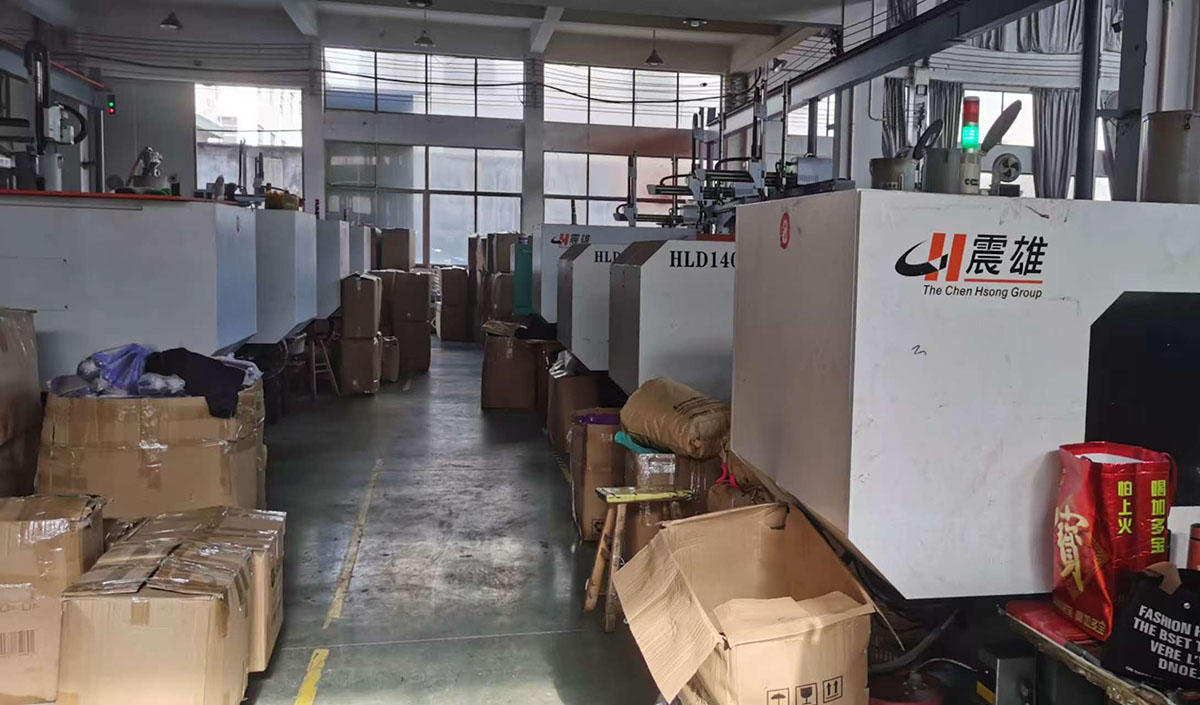
Before any sample is paid for, a sourcing agent runs a supplier verification check. This confirms that the factory legally exists, holds an export license, and has the production capacity it claims. The agent pulls the business license from the Chinese National Enterprise Credit Information Publicity System, checks the registered address, and often visits the factory in person or sends a third-party auditor. A factory audit report covers production lines, equipment, workforce, quality systems, and previous export experience. This step eliminates roughly 60% of high-risk suppliers before you spend a single dollar on samples, and it is one of the most valuable services a sourcing agent offers.
3. Price Negotiation
Chinese factories quote different prices to different buyers. A local sourcing agent who speaks Mandarin, understands local business culture, and can place repeat orders commands prices 15% to 30% lower than a foreign buyer contacting the factory cold. The agent negotiates not only the unit price but also the MOQ, payment terms, sample fees, tooling costs, and packaging. Because the agent is paid a percentage of the order value, they are motivated to push the price down without sacrificing quality. For most buyers, the savings from a single negotiated order more than cover the agent's fee for the year.
4. Sample Management
Sampling is where most importers lose money. A sourcing agent orders samples from two or three shortlisted factories, inspects them against your spec sheet, takes detailed photos, and ships them to you in one consolidated package. The agent also pushes the factory to credit the sample fee against your future bulk order, which often makes sampling effectively free. More importantly, the agent documents the approved sample as the golden sample, the reference standard against which mass production will be inspected. Without this golden sample, you have no objective way to reject a bad batch later.
5. Contract and Purchase Order Management
Once you approve a sample, the sourcing agent drafts a bilingual purchase order or sales contract that locks in price, MOQ, lead time, payment terms, packaging, labeling, quality acceptance criteria, and intellectual property clauses. This document is what protects you if the factory ships late, changes the spec, or tries to raise the price. A professional sourcing agent uses a standard template refined over hundreds of orders and adapted to your product. Verbal agreements and WeChat messages are not contracts; a sourcing agent makes sure you have a real one before any deposit is paid.
6. Production Follow-Up
Factories slip deadlines when nobody follows up. A sourcing agent contacts the factory at agreed milestones, such as raw material arrival, mid-production, and end of production, and sends you short progress updates. If the factory falls behind, the agent intervenes early instead of letting the ship date slide silently. This production follow-up service is what separates a sourcing agent from a trading company, which usually only tells you the order is "fine" until the day it should ship.
7. Pre-Shipment Quality Control (AQL 2.5)
Before goods are packed, a sourcing agent dispatches an inspector to the factory to perform an AQL 2.5 pre-shipment inspection. The inspector randomly samples a statistically valid number of units, checks dimensions, function, finish, packaging, and labeling, and produces a written report with photos. If the batch fails, the factory must rework or replace the defective units before the balance is paid. AQL 2.5 is the international standard for general consumer products and is what Amazon, Walmart, and major retailers expect. Skipping this step is the single most common reason importers receive containers full of unsellable goods.

8. Consolidation and Warehousing
If you buy from several factories, a sourcing agent consolidates all goods in one warehouse, repacks as needed, and ships them together in one container or one air shipment. Consolidation cuts shipping cost per unit, simplifies customs paperwork, and lets you launch a multi-product catalog in one delivery. The agent's warehouse also holds buffer stock, runs final QC, and can repackage or relabel goods for marketplace compliance. For Amazon FBA sellers, this warehousing step is often what makes the difference between a profitable shipment and an expensive one.
9. Logistics and Freight Forwarding
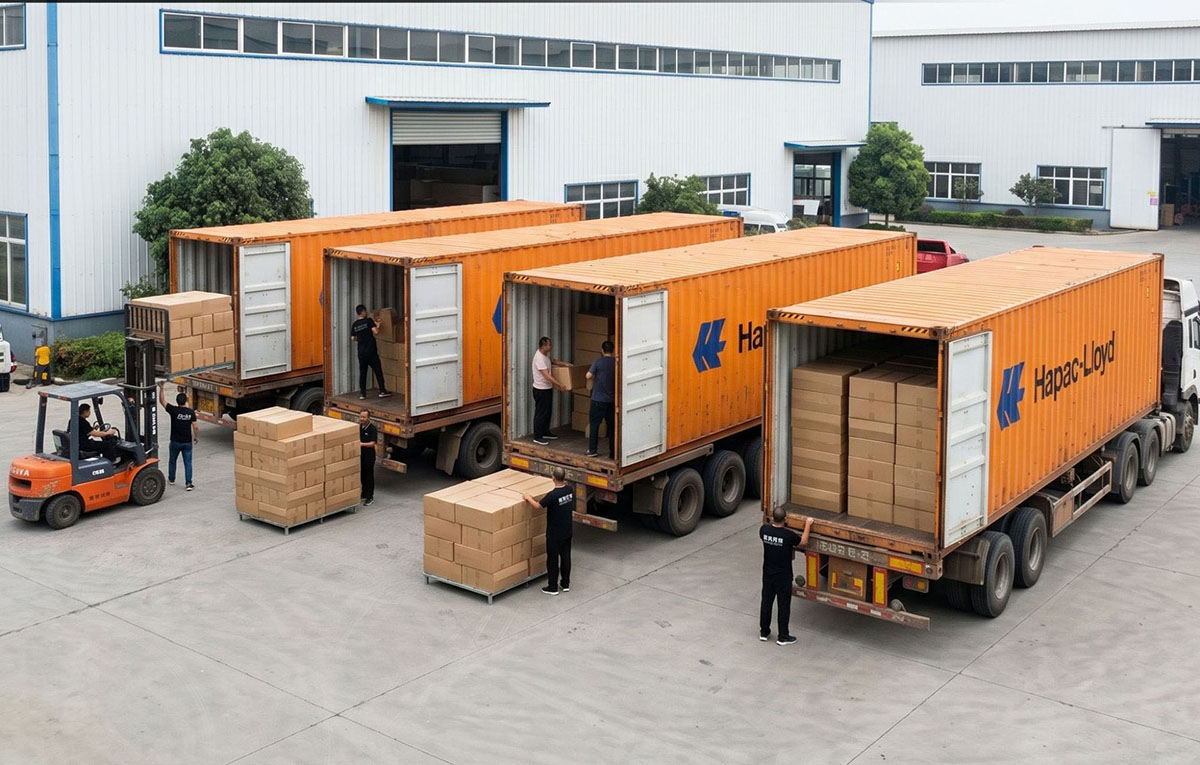
A sourcing agent coordinates with freight forwarders to book sea, air, rail, or express shipping, prepare export documents, and arrange the right Incoterms for your situation. The agent's shipping volume usually earns better freight rates than a first-time buyer can negotiate alone. The agent also prepares the commercial invoice, packing list, bill of lading, certificate of origin, and any compliance documents your destination country requires. While the agent is not a freight forwarder, they manage the forwarder on your behalf so you do not have to coordinate between five different parties in two time zones.
10. OEM, ODM, and Brand Development
For private-label brands, a sourcing agent manages the full OEM or ODM process: custom tooling, logo printing, custom packaging, instruction manuals, barcodes, and even product design improvements. The agent signs an NDA with the factory on your behalf, registers your trademark in China if requested, and protects your tooling so the factory cannot sell your design to competitors. This brand development service is why established Amazon and DTC brands keep a sourcing agent on retainer for years, even after they have found their main suppliers.
Together, these ten services describe a complete sourcing agent workflow. Not every buyer needs all ten on every order, but a professional sourcing agent should be able to deliver any of them on request. When you evaluate a potential partner, ask which of these services are included in the quoted fee and which are billed separately. The answer tells you whether you are comparing real quotes or just headline commission rates.
The ten services also map to the natural arc of an import project. The first three, supplier search, verification, and negotiation, are front-loaded discovery work that determines whether you end up with a good factory at all. The middle four, sample management, contract management, production follow-up, and quality control, are execution work that turns a chosen factory into a delivered, sellable batch. The last three, consolidation, logistics, and OEM development, are scale work that turns a single successful order into a repeatable supply chain. Understanding this arc helps you decide where to invest most heavily: first-time buyers should weight their budget toward the discovery services, because a bad factory choice cannot be fixed by good logistics later, while established brands should invest in the scale services that protect margin and brand equity over the long run.
One practical implication is that you can hire a sourcing agent for a single service rather than the whole package. If you have already found your factory and just need AQL 2.5 inspection, most agents will quote a standalone inspection fee of around USD 200 per man-day. If you have a reliable supplier but need consolidation and freight, an agent can quote just the logistics portion. This modular approach lets you start small, build trust, and expand the scope of the relationship as the agent proves their value, rather than committing to a full-service contract on day one.
Types of Sourcing Agents
Not every sourcing agent operates the same way. The way an agent charges, the services they bundle, and the level of specialization they offer vary widely. Understanding the four main types of sourcing agents helps you pick the model that fits your order size, product complexity, and how much control you want to keep.
Commission-Based Sourcing Agent
A commission-based sourcing agent charges a percentage of the order value, typically between 3% and 8%. The advantage is simplicity: you only pay when you place an order, and the agent is motivated to push the unit price down because a lower unit price with a higher order volume can still produce a healthy commission. The disadvantage is that on very small orders the commission may not cover the agent's fixed work, so most commission agents apply a minimum order fee of around USD 150. This model suits buyers who place regular mid-size orders and want a long-term agent relationship without upfront cost.
Fixed-Fee Sourcing Agent
A fixed-fee sourcing agent charges a flat fee per order, usually between USD 90 and USD 500, regardless of order value. This model is attractive for large orders because the fee becomes a tiny percentage of a USD 50,000 container. It is also transparent: you know exactly what the sourcing cost will be before you commit. The risk is that a very low fixed fee can mean the agent cuts corners on supplier verification or quality control, so always confirm which services are included. Fixed-fee agents are common for repeat orders where the supplier is already known and the work is mostly order management.
Hybrid Sourcing Agent
A hybrid sourcing agent combines a smaller commission, often 2% to 4%, with a flat service fee per order. This model balances the agent's incentive to grow the order with the buyer's need for predictable cost. Hybrid models are increasingly popular for full-service agents who handle everything from supplier search to shipping. They let the agent cover fixed overhead with the flat fee while still earning more when they deliver larger orders. For buyers, a hybrid model often offers the best value when ordering across multiple product categories.
Specialized Sourcing Agent
A specialized sourcing agent focuses on one product category, such as electronics in Shenzhen, textiles in Guangzhou, or small commodities in Yiwu. Specialization gives the agent deeper factory relationships, faster quotes, and better quality judgment in that category. The trade-off is less flexibility: an electronics specialist is usually not the right partner for kitchenware or apparel. If you sell in one category long-term, a specialized sourcing agent usually outperforms a generalist. If you run a multi-category store, a generalist agent or a small network of specialists is the better fit.
Comparison of Sourcing Agent Types
| Agent Type | Fee Model | Typical Cost | Best For | Main Risk |
|---|---|---|---|---|
| Commission-based | % of order value | 3% – 8% | Regular mid-size orders, long-term relationships | Minimum order fee on small orders |
| Fixed-fee | Flat fee per order | USD 90 – USD 500 | Large orders, repeat orders, known suppliers | Low fee may mean skipped QC steps |
| Hybrid | Commission + flat fee | 2% – 4% + USD 90 – USD 300 | Full-service sourcing across categories | Harder to compare with pure models |
| Specialized | Any of the above | Varies, often premium | Single-category brands needing deep expertise | Less flexible for multi-category buyers |
Choosing between these types is not a one-time decision. Many importers start with a commission-based sourcing agent for their first order, then switch to a fixed-fee or hybrid model once the supplier relationship is stable and the main work is order management. The right choice depends on your order size, category complexity, and how much of the sourcing work you want to outsource.
A useful way to think about the choice is to separate the two kinds of work an agent does: discovery work, which is finding and vetting a new supplier, and execution work, which is managing a repeat order with a known supplier. Discovery work is high-value, high-skill, and justifies a commission because the agent's expertise directly lowers your cost and risk. Execution work is more mechanical and is better suited to a fixed fee, because the supplier is already chosen and the main tasks are follow-up, inspection, and shipping. As your business matures and more of your orders become repeat orders, you can renegotiate from a commission model to a fixed-fee or hybrid model for those repeat orders, while keeping commission-based discovery for new product launches. This two-track approach is how experienced importers keep their total sourcing cost low without sacrificing quality on new products.
Finally, consider the agent's specialization in the context of your roadmap. If you plan to expand from kitchenware into pet products and then into electronics over the next two years, a single specialized agent may not cover all three categories well. In that case, either choose a generalist agent with a broad factory network, or build a small panel of two specialized agents, each covering a category where you have serious volume. The goal is never to be stuck sourcing a complex product from an agent who has never visited a factory in that category, because the cost of a bad supplier choice in an unfamiliar category always exceeds the savings of a slightly lower fee.
How Much Does a Sourcing Agent Cost?
The cost of a sourcing agent is the question buyers ask first and the question agents answer least consistently. This section breaks down the real numbers, including the three main fee models, the typical ranges, hidden costs, and worked examples so you can budget accurately before you place an order.
The Three Fee Models in Detail
Most China sourcing agents use one of three fee models. The commission model charges a percentage of the order value, usually between 3% and 8%. The fixed-fee model charges a flat amount per order, typically between USD 90 and USD 500. The hybrid model combines a lower commission, around 2% to 4%, with a flat service fee. Below is a detailed breakdown of what each model includes and how to calculate the total cost.
| Fee Model | Typical Range | What Is Usually Included | What Is Usually Extra | Minimum Order Fee |
|---|---|---|---|---|
| Commission | 3% – 8% of order value | Supplier search, negotiation, order follow-up, basic QC | Factory audit, full inspection, freight, warehousing | USD 150 – USD 300 |
| Fixed fee | USD 90 – USD 500 per order | Order management, production follow-up, basic QC | New supplier search, OEM tooling, certifications | Often none, fee is the floor |
| Hybrid | 2% – 4% + USD 90 – USD 300 | Full sourcing, QC, consolidation, logistics coordination | Specialized factory audits, custom tooling | USD 150 |
Commission Model: 3% to 8% of Order Value
Under the commission model, the sourcing agent earns a percentage of the ex-works or FOB value of the goods, excluding freight and taxes. A 5% commission on a USD 10,000 order costs USD 500. The commission model is simple to understand and aligns the agent's incentive with your order size, but it can be expensive on very large orders and uneconomical on very small ones. Most commission agents therefore apply a minimum order fee, commonly USD 150, so that small orders still cover their fixed work.
Within the 3% to 8% range, the lower end (3% to 4%) usually covers order management only: the agent takes your chosen supplier and manages the order, payment, and shipping. The higher end (6% to 8%) usually covers full sourcing from scratch, including supplier search, negotiation, sampling, and quality control. Always ask the agent to define exactly what the percentage covers before you compare quotes.
Fixed Fee: USD 90 to USD 500 per Order
A fixed fee is a flat amount per order, regardless of order value. For a USD 50,000 container, a USD 300 fixed fee is just 0.6% of the order, which is far cheaper than a 5% commission. For a USD 1,000 sample order, the same USD 300 fee is 30% of the order, which is uneconomical. Fixed-fee models work best for repeat orders with known suppliers, where the main work is production follow-up, quality control, and shipping coordination.
The risk with very low fixed fees, such as USD 90, is that the agent may skip supplier verification, factory audits, or proper QC to protect their margin. A USD 90 fee cannot realistically cover a factory visit plus an AQL 2.5 inspection in person. If a quote looks too cheap, ask exactly which services are included and how quality control is performed.
Hybrid Model: Commission Plus Flat Fee
The hybrid model has become the most common structure for full-service sourcing agents in 2026. A typical hybrid quote is 3% commission plus a USD 150 flat service fee per order, with a minimum total fee of USD 150. This structure covers the agent's fixed overhead with the flat fee and rewards larger orders with the commission. For buyers, the hybrid model offers predictable cost and full service, and it scales naturally as your business grows.
Worked Examples
To make the numbers concrete, here are three real-world order scenarios with the total sourcing agent cost calculated under each model.
| Order Scenario | Order Value | 5% Commission | USD 300 Fixed Fee | 3% + USD 150 Hybrid |
|---|---|---|---|---|
| Small sample order | USD 1,000 | USD 150 (min) | USD 300 | USD 150 (min) |
| First bulk order | USD 10,000 | USD 500 | USD 300 | USD 450 |
| Large container order | USD 50,000 | USD 2,500 | USD 300 | USD 1,650 |
As the table shows, the cheapest model depends on order size. For small orders, the commission or hybrid model with its USD 150 minimum is cheapest. For mid-size orders, the fixed fee is often best. For large containers, the fixed fee is dramatically cheaper than a percentage commission, which is why experienced importers negotiate a fixed fee once they reach steady order volumes.
Total Landed Cost: A Worked Example
To see how the agent's fee fits into the bigger picture, consider a realistic order. Imagine you source 2,000 units of a private-label kitchen product at a factory price of USD 4.00 per unit, for a goods value of USD 8,000. The agent charges a 5% commission, which is USD 400. Samples cost USD 120 and are credited to the bulk order. Factory audit costs USD 200 because it is a new supplier. AQL 2.5 inspection costs USD 200. Consolidation and repacking for Amazon FBA costs USD 150. Sea freight to your destination port costs USD 1,400, and destination duties and clearance add USD 600.
Adding these up, your total landed cost is USD 8,000 for goods plus USD 1,070 in sourcing and inspection fees plus USD 2,000 in freight and duties, for a grand total of USD 11,070. That works out to USD 5.54 per unit landed. If you sell the product for USD 19.99, your gross margin before marketplace fees is roughly 72%. Now compare this to buying the same product through a trading company at USD 5.80 per unit with no inspection and no consolidation: the unit cost is higher, the quality is unverified, and a single defective batch can wipe out a month of profit. The fee your agent charges is not an expense; it is an insurance premium and a margin protector rolled into one line item.
This example also shows why comparing agents on commission percentage alone is misleading. An agent charging 3% but skipping inspection and consolidation may look cheaper on paper, but the total landed cost and the defect risk are both higher. When you compare sourcing agent quotes, always compare total landed cost per unit, not headline commission. A 5% agent who consolidates, inspects, and negotiates a 10% lower unit price is cheaper in total than a 3% agent who does none of those things.
How to Budget for a Sourcing Agent
A practical budgeting rule for first-time importers is to reserve 8% to 12% of the goods value for the full sourcing package, including the agent's fee, inspection, consolidation, and small ancillary costs. This buffer covers the difference between the factory price and the real cost of getting sellable goods to your warehouse. Once you have a stable supplier and repeat orders, this buffer typically shrinks to 4% to 6% because the expensive upfront work, supplier search and audit, is already done. Build this buffer into your product pricing from day one, so the agent's fee is a planned cost rather than an unwelcome surprise after the order ships.
Hidden Costs to Watch
The headline fee is rarely the full cost. Common hidden charges include currency conversion markups on the exchange rate, shipping markups where the agent adds a percentage to the freight quote, sample fees that are not credited to the bulk order, factory audit fees billed separately, and storage fees if goods sit in the agent's warehouse beyond a free period. A transparent sourcing agent discloses all of these in writing before you place an order. Ask for an itemized fee schedule, not just a commission percentage, and you will avoid the most common budget surprise.
How Yeatru Sourcing Prices Its Services
For reference, Yeatru Sourcing uses a transparent two-tier structure. The Order Management plan charges 3% to 4% of the order value and covers order follow-up, payment, QC, and shipping coordination for buyers who already have a supplier. The Full Sourcing plan charges 4% to 8% on a tiered scale and covers the entire process from supplier search to export. Both plans apply a minimum fee of USD 150 per order. This transparent structure is what buyers should expect from any professional sourcing agent in 2026.
Sourcing Agent vs Trading Company vs Direct Factory
One of the most common points of confusion for new importers is the difference between a sourcing agent, a trading company, and buying direct from a factory. The three options sound similar but have very different implications for price, control, quality, and risk. This section compares all three side by side.
| Factor | Sourcing Agent | Trading Company | Direct Factory |
|---|---|---|---|
| Who they work for | The buyer | Themselves (reseller) | Themselves (manufacturer) |
| Price transparency | Factory price plus disclosed fee | Marked-up price, factory hidden | Direct factory price |
| Factory identity revealed | Yes, after first order | Usually no | Yes |
| Quality control | AQL 2.5 inspection included | Limited, self-reported | Buyer must arrange own QC |
| Minimum order quantity | Can negotiate down | Lower, absorbs MOQ | Often high, factory set |
| Product range | Multi-category via network | Multi-category, stocked | Single product family |
| Risk of counterfeit or substandard | Low, verified | Medium | High without QC |
| Best for | Long-term brands, private label | Small one-off buys | Large, stable, single-product buyers |
When a Sourcing Agent Wins
A sourcing agent is the best choice when you want supplier transparency, brand control, and consistent quality across orders. Because the agent reveals the factory after your first order, you build a direct relationship that survives even if you change agents. The agent's AQL 2.5 inspection protects you from defective shipments, and the agent's negotiation power typically lowers the unit price enough to cover the fee. For Amazon FBA, TikTok Shop, and DTC brands that plan to reorder the same product for years, a sourcing agent is almost always the right call.
When a Trading Company Wins
A trading company wins when you need a small quantity fast and do not care about the underlying factory. Trading companies stock goods, accept low MOQs, and ship quickly. The price is higher and the factory is hidden, but for a one-off retail test or a small promotional order, the convenience can be worth it. The trap is treating a trading company as a long-term sourcing partner, because you will never own the supplier relationship and the price will never come down to factory level.
When Buying Direct Wins
Buying direct from a factory wins when you have a single, high-volume product, you have already vetted the factory, and you have your own QC process. Large retailers with established sourcing offices often buy direct because they have the staff to manage the relationship. For a first-time importer, buying direct is usually a false economy: the savings on agent fees are wiped out by defects, delays, and the cost of emergency trips to China to fix problems that an agent would have caught upstream.
The Hidden Cost of Buying Direct
Buyers often assume that cutting out the agent saves money, but the math rarely holds up for first-time importers. When you buy direct, you absorb the full cost of supplier verification, factory visits, sample trips, inspection, consolidation, and document preparation, either in cash or in your own time. A single factory visit from overseas costs USD 1,500 to USD 3,000 in flights, hotels, and translator fees, and most first-time buyers need two or three visits before production is reliable. A single defective batch that an AQL 2.5 inspection would have caught can cost USD 5,000 to USD 20,000 in refunds, returns, and lost ranking. Against these numbers, a sourcing agent's fee of a few hundred dollars looks like the cheapest insurance in the supply chain.
How to Tell Which Option a Seller Is Using
One quick test separates the three options. If the seller will not name the factory, even after you place and pay for an order, you are dealing with a trading company. If the seller names the factory but charges no separate fee and folds everything into a marked-up unit price, you are dealing with a trading company in disguise. If the seller names the factory, issues a separate transparent fee invoice, and provides an inspection report, you are dealing with a genuine sourcing agent. This three-question test takes two minutes and prevents most of the misclassification mistakes that lead buyers to choose the wrong partner.
Switching Between Models Over Time
Most successful importers do not pick one model and stick with it forever. They start with a sourcing agent to find and vet the factory, then, after two or three stable orders, they may shift to a fixed-fee order-management arrangement with the same agent, or even begin managing the repeat order directly with the factory while keeping the agent on standby for quality control and new product development. This staged approach captures the safety of an agent early and the cost efficiency of direct buying later, once the relationship is proven. The mistake to avoid is skipping the agent stage entirely on your first order, when the risk of a bad factory choice is highest.
Sourcing Agent vs Dropshipping
Dropshipping and sourcing agents are often presented as competing ways to source products from China, but they serve completely different business models. Understanding the difference determines whether your e-commerce business is built on quick arbitrage or on a defensible brand.

| Factor | Sourcing Agent | Dropshipping |
|---|---|---|
| Inventory ownership | You buy and own stock | Supplier owns stock, ships per order |
| Unit cost | Low, bulk factory price | High, per-order price |
| Branding | Full OEM, your brand on product | Generic, supplier brand |
| Quality control | AQL 2.5 pre-shipment inspection | None, customer sees defects first |
| Shipping time | Bulk sea or air, 7 to 35 days to warehouse | Per-order express, 7 to 20 days to customer |
| Profit margin | 30% to 60% | 10% to 25% |
| Capital required | High, buy stock upfront | Low, pay after customer pays |
| Brand defensibility | High, own product and supplier | Low, anyone can copy listing |
When to Choose a Sourcing Agent
Choose a sourcing agent when you are building a real brand. If you sell on Amazon FBA, run a Shopify store with repeat products, or plan to grow into retail, a sourcing agent gives you the supplier control, branding, and quality needed to scale. You commit capital to inventory, but in return you earn margins two to four times higher than dropshipping and you own a product no competitor can copy overnight.
When to Choose Dropshipping
Choose dropshipping when you are testing a market with no capital, when you want to validate demand before committing, or when you run a store with hundreds of SKUs that each sell rarely. Dropshipping is an excellent research tool and a poor long-term business. Most successful dropshippers eventually migrate to a sourcing agent model once they identify their best-selling products and want to brand them and improve margins.
The Hybrid Path: Test Then Scale
The smartest e-commerce operators combine both models. They dropship ten to twenty products to find the two or three that sell, then bring in a sourcing agent to private-label those winners, run QC, and ship in bulk to a local warehouse. This test-then-scale path captures the low-risk advantage of dropshipping and the margin advantage of a sourcing agent, and it is the model we recommend to most new e-commerce brands.
The transition point between dropshipping and a sourcing agent is usually a clear signal in your data. Once a single product sells more than fifty units per month consistently, the unit-economics math flips: the margin gained by switching to bulk sourcing, even after paying the agent's fee and import duties, exceeds the margin you keep by dropshipping, while also giving you ownership of the listing, the brand, and the supplier relationship. Before that threshold, dropshipping remains more capital-efficient; after it, a sourcing agent is the cheaper and more defensible path. Watching this threshold per SKU, rather than treating your whole catalog as one or the other, is how disciplined operators balance growth and profitability at the same time.
Pros and Cons of Using a Sourcing Agent
Hiring a sourcing agent is not free, and it is not always the right choice. This section lists the real advantages and the real disadvantages so you can decide based on facts rather than marketing claims.
Pros of Using a Sourcing Agent
- Lower unit prices: A local sourcing agent negotiates in Mandarin, leverages repeat order volume, and knows the real factory floor price. Savings of 15% to 30% versus a cold buyer inquiry are common, which usually more than covers the agent's fee.
- Supplier verification: The agent checks business licenses, visits factories, and filters out trading companies pretending to be factories. This alone eliminates the majority of high-risk suppliers before you spend on samples.
- Quality control: AQL 2.5 pre-shipment inspection catches defective batches before they ship, saving you from costly returns, chargebacks, and marketplace suspensions.
- Time savings: Sourcing, sampling, negotiating, and inspecting take 40 to 100 hours per product for a first-time buyer. A sourcing agent compresses this into a few coordinated weeks.
- Language and cultural bridge: Mandarin negotiation, WeChat communication, and Chinese business etiquette are real skills. An agent prevents misunderstandings that turn into production errors.
- Consolidation and warehousing: Multi-supplier orders are consolidated in one warehouse, repacked, and shipped together, cutting freight cost and simplifying customs.
- IP protection: The agent signs NDAs, manages custom tooling, and prevents the factory from selling your design to competitors, which is critical for private-label brands.
- Compliance support: The agent coordinates CE, FCC, CPC, FDA, and other certifications with accredited labs, keeping your products legal in every market you sell in.
- Long-term supplier relationship: The agent helps you build a direct, multi-year relationship with the factory that yields better prices, priority production slots, and exclusivity over time.
- Lower total landed cost: Combining lower unit prices, better freight rates, and fewer defects, a good sourcing agent typically lowers your total landed cost by 10% to 25% versus going direct.
The cumulative effect of these pros is what matters. No single advantage is dramatic on its own, but stacked together they transform a fragile import into a repeatable process. A buyer who saves 20% on unit price, avoids one defective batch per year, and consolidates three suppliers into one shipment has paid for the agent many times over, while also freeing dozens of hours to focus on marketing, product development, and customer service. For most growing brands, the pros compound over time, which is why the buyers who use a sourcing agent longest tend to value it most.
Cons of Using a Sourcing Agent
- Added cost on small orders: The minimum order fee of around USD 150 makes a sourcing agent uneconomical for orders under USD 1,000. For very small buys, a trading company may be cheaper.
- Risk of hidden fees: Less transparent agents add markups on currency conversion, freight, or warehousing. Without an itemized fee schedule, the headline commission understates the real cost.
- Variable quality between agents: The sourcing agent industry is unregulated. Skill, honesty, and processes vary widely, so choosing the wrong agent can cost more than going direct.
- Less direct factory contact: Some agents act as a gatekeeper and limit your direct communication with the factory, which can slow problem-solving and reduce your leverage over time.
- Potential conflict of interest: A commission-based agent earns more on larger orders, which can incentivize them to push higher quantities or pricier factories than you need.
- Dependence on a third party: If your agent disappears, changes staff, or goes out of business, you may lose access to supplier records, samples, and tooling if these were not properly documented in your name.
- Slower for ultra-small tests: A full sourcing cycle takes weeks, while a dropshipping test can launch in days. For pure market validation, dropshipping is faster.
- Communication overhead: Working through an agent adds one more communication layer, which can introduce delays or translation errors if the agent is not well organized.
Every one of these cons is manageable with the right safeguards. A written fee schedule eliminates hidden fees. A clear contract that requires factory disclosure prevents gatekeeping. A backup agent or direct factory relationship protects against dependence. And for small tests, dropshipping remains a complementary tool rather than a replacement. The cons are reasons to be diligent in choosing and contracting with an agent, not reasons to avoid one entirely.
On balance, the pros outweigh the cons for any buyer placing regular orders above USD 5,000, building a private-label brand, or selling on platforms with strict quality rules like Amazon and TikTok Shop. The cons are real but manageable, and they shrink to near zero when you choose a transparent, well-established sourcing agent and sign a clear written agreement.
How to Choose the Right Sourcing Agent
Choosing a sourcing agent is the single most important decision an importer makes after choosing a product. The wrong agent costs you money, time, and reputation; the right agent becomes a long-term partner who grows with your business. This ten-step checklist walks you through exactly how to evaluate, vet, and hire a sourcing agent in 2026.
Step 1: Define Your Product and Sourcing Goals
Before contacting any sourcing agent, write down your product spec sheet, target MOQ, target landed cost, certifications required, and timeline. A clear brief lets you compare agents on real deliverables instead of marketing promises. Include photos, reference products, packaging requirements, and the destination market. The quality of your brief determines the quality of the quotes you receive.
Step 2: Verify the Agent's Legal Entity and Business License
Ask for the company's Chinese business license and check it against the official National Enterprise Credit Information Publicity System. Confirm the registered address, business scope, and that the entity is allowed to perform import and export. A real sourcing agent will have a registered company in China; a freelancer with only a Gmail address is a much higher risk.
Step 3: Confirm On-the-Ground Location in a Sourcing Hub
An agent based in Yiwu, Guangzhou, Shenzhen, or Ningbo can visit factories in hours, not weeks. Remote agents rely on the same Alibaba photos you already have, which defeats the purpose of hiring a sourcing agent. Ask for the agent's office address and confirm it on a map. If they cannot receive a registered letter at that address, treat it as a red flag.

Step 4: Ask for Three Recent Client References in Your Category
Request references for buyers in your product category and order size. Call or email at least two of them. Ask about communication speed, defect rates, problem-solving, and whether the agent disclosed the factory. A sourcing agent who cannot produce references is a sourcing agent you should not hire.
Step 5: Compare Fee Structures Transparently
Get a written quote showing commission rate, fixed fees, minimum order fee, sample fees, inspection fees, and shipping markups. Compare at least three agents. Hidden fees usually appear in shipping and currency conversion. A trustworthy agent will hand you an itemized fee schedule on request; an evasive one will only quote a percentage.
Step 6: Test Communication Speed and Quality
Send a sample RFQ and measure how fast and how completely the agent replies. A sourcing agent who takes 48 hours to answer a simple product question will take longer when a production defect needs fixing. Pay attention to whether the agent asks clarifying questions about your spec, which signals real expertise, or just promises "no problem," which signals a salesperson.
Step 7: Run a Small Trial Order Before Scaling
Place one small paid order before committing to bulk. Evaluate the agent's sourcing report, supplier shortlist, sample handling, and QC photos. Trial orders reveal more than any sales pitch. If the agent delivers a clean sourcing report with real factory addresses and a transparent quote, you have a strong basis to scale. If they dodge questions or skip QC, walk away.
Step 8: Check Their Quality Control Process
Confirm the agent performs AQL 2.5 pre-shipment inspections, sends a written inspection report with photos, and allows you to reject a batch before it ships. No formal QC step means you are paying for hope, not assurance. Ask to see a sample inspection report from a previous order; a professional sourcing agent will have one ready.
Step 9: Review Their Logistics and Payment Terms
Understand which Incoterms they offer, whether they consolidate shipments, which forwarders they use, and how they accept payment. Avoid agents who insist on 100% upfront to an unverifiable personal account. Standard terms are 30% deposit and 70% balance after QC passes, paid to a company account that matches the business license.
Step 10: Sign a Written Sourcing Agreement and NDA
Before your first real order, sign a written agreement covering scope, fees, IP protection, NDA, dispute resolution, and refund terms. A professional sourcing agent will already have a template ready and will not object to signing. If the agent refuses to sign anything, that refusal is itself the answer to whether you should hire them.
Following these ten steps takes a few hours of focused work and eliminates the vast majority of sourcing agent horror stories. The buyers who skip them are the ones who end up on forum threads about losing tens of thousands of dollars to a "sourcing agent" who turned out to be a one-person reseller with no QC process.
What to Ask in the First Call
Your first conversation with a prospective agent is an interview, not a sales pitch. Ask five specific questions and judge the answers by their specificity, not their enthusiasm. First, ask how many factories in your category they have personally visited in the last twelve months; a real number with names and cities beats a vague "many." Second, ask to see a redacted inspection report from a previous order in your product category; a professional agent keeps these on file. Third, ask how they handle a batch that fails inspection; a clear rework-and-reinspect process signals experience, while "it won't happen" signals inexperience. Fourth, ask what their average defect rate is across recent orders; an honest agent will quote a real percentage, usually under 2% after rework. Fifth, ask what they do when a factory cannot meet a deadline; the answer reveals whether the agent manages production or merely forwards emails.
How Many Agents to Evaluate
Evaluate three to five agents in parallel, not one at a time. Send the same product brief to each and compare their responses side by side. The comparison reveals patterns: which agents ask clarifying questions, which ones send a real shortlist versus a generic Alibaba forward, and which ones disclose fees upfront. Evaluating in parallel also protects you from the sunk-cost fallacy of committing to the first agent who replies. Most experienced importers narrow to two finalists, run a small trial order with each, and then commit to the better performer for ongoing work.
The Value of a Local Visit
If your order volume justifies it, visit your finalist agent's office in China before signing a long-term agreement. A half-day visit tells you more than a hundred emails: you see the team size, the inspection equipment, the warehouse, and the culture. You can meet the QC inspectors who will actually handle your goods and check that the office matches the registered business license address. For orders above USD 50,000 per year, the cost of a visit is trivial compared to the risk of partnering with the wrong agent, and many of our long-term clients started with exactly such a visit to our Yiwu office.
Red Flags to Avoid When Hiring a Sourcing Agent
Even with a good checklist, the sourcing agent market has its share of bad actors. These ten red flags are signals to stop, ask harder questions, or walk away entirely. One red flag in isolation may be explainable; three or more together almost always mean trouble.
.jpg)
- Refusal to disclose the factory after the first order. A transparent sourcing agent reveals the factory once you have placed an order through them. Refusal to do so means the agent is acting as a trading company and protecting their markup, not working for you.
- No verifiable business license. If the agent cannot produce a Chinese business license that matches a real registered company, you are dealing with a freelancer or a front, not a sourcing agent. Walk away.
- Insistence on 100% upfront payment to a personal account. Standard terms are 30% deposit and 70% balance after QC, paid to a company account. Demands for full upfront payment to a personal WeChat or Alipay account are a classic scam pattern.
- Quotes dramatically lower than the market. If one agent's price is 30% lower than every other quote, the price is either fake, the quality is being cut, or the factory is being switched after sampling. Real prices cluster within a narrow band.
- No written inspection report. A real sourcing agent sends a structured AQL 2.5 report with photos and pass/fail criteria. "Don't worry, we checked it" is not a quality control process.
- Slow or vague communication during evaluation. If an agent takes days to reply before you have paid, they will be worse after you have. Communication quality during the sales process is a reliable predictor of service quality later.
- No client references or only unverifiable testimonials. A real sourcing agent has real clients who will vouch for them. Vague LinkedIn testimonials with no contact details do not count.
- Pressure to place an order immediately. High-pressure sales tactics, "special price this week only," and similar urgency tricks are signals that the agent cares more about their commission than your outcome.
- Reluctance to sign an NDA or written agreement. A professional sourcing agent signs NDAs and written agreements every week. Reluctance to do so means either inexperience or an intention to avoid accountability.
- Poor English in formal documents. Some translation quirks are normal, but contracts and inspection reports riddled with errors suggest a lack of process and a higher risk of misunderstandings that cost money later.
If you spot two or more of these red flags during evaluation, the simplest and cheapest decision is to find another sourcing agent. The cost of a bad agent, in defective goods, delayed shipments, and lost brand reputation, is always higher than the cost of taking a few more days to find a good one.
It is also worth noting that red flags are not always intentional fraud. Many are simply signs of an agent who has grown faster than their processes, or who has taken on more clients than they can serve well. An agent who is slow to reply during your evaluation period may simply be overwhelmed, not dishonest, but the practical impact on your order is the same. The point of the red flag list is not to assign moral blame; it is to protect your money and your timeline. When in doubt, slow down, ask for documentation, run a smaller trial order, and let the agent's behavior over a real transaction, rather than their sales pitch, make the final decision for you.
One final principle: the best sourcing agents welcome scrutiny. A professional agent hands over their business license without hesitation, shares references readily, walks you through a sample inspection report, and treats your due diligence as a sign of a serious buyer rather than an insult. If an agent resists your questions, the resistance itself is the answer. The agents worth hiring are the ones who make vetting easy.
Sourcing Agent for Amazon FBA, TikTok Shop, and E-commerce
Different e-commerce platforms place different demands on your supply chain. A sourcing agent who is excellent for Amazon FBA may be wrong for TikTok Shop, and vice versa. This section explains the platform-specific advice that turns a generic sourcing agent relationship into a competitive advantage.
Sourcing Agent for Amazon FBA
Amazon FBA demands consistency. Your products must meet Amazon's prep and labeling rules, arrive at FBA warehouses within delivery windows, and pass Amazon's compliance checks for safety, restricted substances, and documentation. A sourcing agent for Amazon FBA should handle FNSKU labeling, FBA prep, poly bagging, suffocation warnings, and consolidation into the right number of cartons per ASIN. The agent should also help you find reliable Amazon FBA suppliers, manage AQL 2.5 inspections, and prepare the compliance documents Amazon requests during audits. Without a sourcing agent, most new Amazon sellers lose their first container to labeling errors or defective units that trigger negative reviews and tank the listing.
Amazon also penalizes sellers for defective returns at the account level. A return rate above 10% on a listing can trigger a stranded-inventory warning or even an account suspension, and once your Buy Box share drops, advertising costs rise to recover it. A sourcing agent's pre-shipment inspection is what keeps your defect rate below the threshold that triggers these penalties. For Amazon FBA, the agent is not optional overhead; it is the difference between a listing that compounds and a listing that decays. The right agent also understands Amazon's category-specific requirements, such as CPC for children's products, FDA compliance for personal care, and lithium-battery documentation for electronics, and ensures the factory builds to these standards before production begins.
Sourcing Agent for TikTok Shop
TikTok Shop rewards speed. Trending products can sell hundreds of units in a day, and a stockout kills the algorithmic push that drives sales. A sourcing agent for TikTok Shop should specialize in fast air freight, small-batch restocking, and rapid sampling of trending products. The agent should also handle branded packaging for viral products and consolidate small orders across multiple SKUs to keep air freight cost per unit manageable. For TikTok Shop sellers, the agent's value is velocity: faster sampling, faster restocking, and faster quality fixes.
Because TikTok Shop products often trend and fade within weeks, the sourcing agent must be able to identify a candidate factory, produce a sample, and air-ship a small first batch in under three weeks. This is far faster than a traditional sourcing cycle and requires an agent with deep, pre-existing factory relationships rather than one who searches from scratch each time. The agent should also help you build a backup supplier for your top SKUs, so a single factory disruption does not take your best-selling product offline during a viral window. TikTok Shop sellers who treat sourcing as a strategic advantage, rather than a back-office task, are the ones who survive the platform's rapid cycles.
Sourcing Agent for Shopify and DTC Brands
Shopify and DTC brands live on margin and brand identity. A sourcing agent for DTC should focus on OEM customization, custom packaging, and premium quality control that matches the brand promise. The agent manages custom tooling, color matching, unboxing experience, and often coordinates with a 3PL warehouse in the destination country. For DTC brands, the sourcing agent is effectively the supply chain department, and the relationship tends to be long-term and strategic rather than transactional.
Sourcing Agent for Wholesale and Retail
Wholesale buyers and retail importers need bulk pricing, reliable lead times, and full compliance documentation for retailers' vendor requirements. A sourcing agent for wholesale should handle large container orders, multi-supplier consolidation, retailer-specific packaging and labeling, and full compliance files including social audits and product testing. The agent's role here is closer to a logistics and compliance manager than a product finder.
Retail buyers also need container-level consolidation, carton labeling with retailer-specific barcodes, and advance shipping notices that match the retailer's EDI system. A sourcing agent who has worked with major retailers will already understand these requirements and can format documents accordingly. For wholesale, the agent's value is reliability at scale: a single missed compliance document can reject an entire container at the retailer's distribution center, and the chargebacks for non-compliance often exceed the product margin. Choose an agent with proven retail vendor experience, not just e-commerce experience.
Sourcing Agent for Marketplaces Like eBay and Etsy
For sellers on eBay, Etsy, and similar marketplaces, a sourcing agent helps with niche products, handmade-style OEM, and small-batch imports. The agent's value is finding factories that can produce small runs at acceptable cost and ensuring that the products meet the marketplace's handmade or vintage rules where applicable.
Etsy in particular enforces rules about what qualifies as handmade, and a sourcing agent who understands these rules can guide you toward legitimate OEM partnerships rather than mass-produced reselling that risks account suspension. For eBay, where individual sellers compete on price and shipping speed, an agent who consolidates multiple small orders and offers competitive air freight can be the difference between a profitable listing and one that loses money on every sale. Across all secondary marketplaces, the agent's role is to make a small operation look professional and reliable to both the platform and the end customer.
Across every platform, the common thread is that a sourcing agent's role is to translate the platform's requirements into factory instructions. Amazon's FBA prep rules, TikTok's restocking speed, Shopify's brand standards, and retail's compliance files are all things the factory cannot interpret on its own. The sourcing agent is the translator who turns platform rules into production specifications. The best agents stay current with platform policy changes, because a rule update, such as Amazon tightening its lithium-battery documentation or TikTok Shop adding a new category restriction, can render an otherwise perfect shipment unsellable if the factory was not briefed in time.
China Sourcing Agent FAQs
These twenty-five frequently asked questions cover the most common concerns buyers have before, during, and after hiring a sourcing agent. The answers are based on real questions from clients across more than fifty countries.
1. What is a sourcing agent?
A sourcing agent is an independent third party based in a manufacturing country, usually China, that helps overseas buyers find factories, negotiate prices, manage samples, run quality control, and arrange export on the buyer's behalf. Unlike a trading company, a sourcing agent works for the buyer, not the supplier, and is typically paid a commission or fixed fee tied to each order.
The defining feature of a sourcing agent is alignment. Because the agent is paid a disclosed fee rather than a hidden markup, their incentive is to find the factory that best fits your spec and budget, not the factory that pays them the highest margin. This alignment is what lets a sourcing agent build a long-term, transparent relationship with you, and it is the core distinction that separates a true sourcing agent from a trading company pretending to be one.
2. How much does a sourcing agent cost?
Sourcing agent fees range from 3% to 8% of the order value on a commission model, or a fixed fee of roughly USD 90 to USD 500 per order. Hybrid models combine a small commission with a flat service fee. Most professional agents also apply a minimum order fee of around USD 150 to cover the work on small orders.
The true cost question is not the headline percentage but the total landed cost per unit, which includes the agent fee, inspection, consolidation, freight, and duties. A lower percentage that skips inspection often produces a higher total landed cost once a defective batch is accounted for. When comparing quotes, ask each agent to estimate the full landed cost per unit, not just their commission, and you will get a much clearer picture of the real economics.
3. What is the difference between a sourcing agent and a trading company?
A trading company buys from a factory, marks up the price, and resells to you, profiting from the spread and hiding the real factory. A sourcing agent works for you, charges a transparent fee, and reveals the factory identity. Trading companies are useful for small one-off buys; sourcing agents are better when you want long-term supplier control and lower unit prices.
4. Do I need a sourcing agent for Amazon FBA?
If you sell private-label products on Amazon FBA, a sourcing agent is highly recommended. They find compliant factories, run AQL 2.5 inspections, consolidate shipments, and prepare documents Amazon requires. The agent's fee is usually recovered through better prices, fewer defective units, and avoided listing suspensions.
Amazon's quality bar has risen sharply, and a single defective return spike can strand inventory and suppress your Buy Box. A sourcing agent who runs pre-shipment inspection and handles FBA prep to Amazon's exact carton-labeling rules keeps your defect rate below the threshold that triggers these penalties, which protects the ranking you have spent months and thousands of advertising dollars to build.
5. Can a sourcing agent help with OEM or private label?
Yes. A good sourcing agent finds factories capable of OEM or ODM work, manages custom tooling, logo printing, packaging design, and protects your IP with an NDA. They also supervise first-article samples so your brand specification is followed in mass production.
For private-label brands, the agent's OEM expertise extends to color matching against a Pantone reference, custom inserts and unboxing experiences, bilingual instruction manuals, and retailer-ready packaging. The agent also documents the approved golden sample and uses it as the inspection reference, so the factory cannot quietly substitute a cheaper material after the first order. This is the layer of control that turns a generic product into a defensible brand.
6. How are sourcing agent fees paid?
Most agents are paid by bank transfer in two stages: a deposit when the purchase order is placed, and the balance after pre-shipment QC inspection passes and before shipment. Some agents invoice the fee separately; others fold it into the unit price. Always get the fee structure in writing.
7. Will a sourcing agent hide the factory from me?
Some do, to protect their commission. A transparent sourcing agent discloses factory contact details, business license, and address after you place an order through them. If an agent refuses to reveal the factory even after the first order, treat it as a red flag.
8. What is AQL 2.5 quality control?
AQL 2.5 is the international acceptance quality limit used in pre-shipment inspection. It defines how many units an inspector randomly samples from a batch and how many defects are allowed before the batch is rejected. AQL 2.5 is the standard used for general consumer products sold on Amazon and in retail.
9. Can a sourcing agent handle small orders under USD 1,000?
Yes, but expect a minimum order fee of around USD 150 because the agent's fixed work does not shrink with order size. For very small orders, consider a sourcing agent who offers sample consolidation or small-order consolidation to share shipping costs across several products.
10. How long does sourcing a new product take with an agent?
A typical sourcing cycle runs 4 to 8 weeks: 1 to 2 weeks for supplier shortlisting and quotes, 1 to 2 weeks for samples, 2 to 4 weeks for bulk production, plus pre-shipment inspection and shipping. Custom OEM projects with tooling can take 10 to 16 weeks.
Timeline depends heavily on product complexity and order size. A simple off-the-shelf item from a Yiwu booth can ship in under three weeks, while a custom-molded electronic product with certifications may take four months from first contact to first container. A good agent gives you a realistic timeline up front, with milestones, and warns you early if any stage slips. Agents who promise unrealistically fast delivery to win your business are the ones most likely to miss deadlines later.
11. What products can a China sourcing agent find?
Almost any manufactured consumer or industrial product: home goods, kitchenware, toys, electronics, apparel, beauty, pet products, sporting goods, packaging, and more. Specialized agents focus on categories like electronics in Shenzhen or small commodities in Yiwu. Our Yiwu market guide explains which categories are strongest in each region.
The practical limit is not the product category but the certification and safety regime. Food-contact items, children's toys, cosmetics, and electronics all carry strict compliance requirements in the US, EU, and UK. A competent sourcing agent will flag these requirements during the first call and only shortlist factories that can meet them, rather than presenting a cheap quote that fails customs or marketplace review weeks later.
12. Is a sourcing agent the same as a freight forwarder?
No. A freight forwarder arranges shipping only. A sourcing agent handles the full upstream process: supplier search, negotiation, samples, QC, and often coordinates with a forwarder for export. Some sourcing agents offer in-house logistics, but the two roles are distinct. For shipping decisions, our sea freight guide explains the trade-offs.
13. Can a sourcing agent certify my products for CE or FCC?
An agent does not issue certificates, but they coordinate with accredited labs, ensure the factory builds to the correct standard, and manage the testing process. For CE, FCC, CPC, FDA, and other marks, the agent keeps the compliance trail intact so your products clear customs and marketplace checks. See our product certifications guide for the full list.
14. What happens if a batch fails inspection?
If a batch fails AQL 2.5 inspection, the sourcing agent issues a defect report, the factory reworks or replaces the defective units, and a re-inspection is scheduled. You do not pay the balance until the batch passes. This is why pre-shipment inspection is non-negotiable.
15. Do sourcing agents work with TikTok Shop sellers?
Yes. A sourcing agent helps TikTok Shop sellers find trending products, run small-batch tests, manage branding, and consolidate air freight for fast restocking. The agent's value is speed and quality control, both of which matter for viral products.
16. Can I trust a sourcing agent I found on Alibaba?
Many listings labeled "sourcing agent" on Alibaba are actually trading companies. Verify the business license, request references, run a small trial order, and confirm they disclose the factory. Treat any agent who only sells their own catalog as a trading company, not a sourcing agent.
17. What is the minimum order quantity a sourcing agent can negotiate?
An experienced sourcing agent can often negotiate MOQ down by 30% to 60% by grouping your order with other buyers, offering the factory a longer-term forecast, or finding a smaller specialist factory. Actual MOQ still depends on the product and the factory's setup cost.
18. Does a sourcing agent handle customs clearance in my country?
Usually not directly. The agent arranges export from China and hands the shipment to a freight forwarder. For import customs clearance, you typically use a local broker in your country. Some full-service agents partner with destination brokers, but confirm this in advance.
19. What documents does a sourcing agent provide?
A professional sourcing agent provides a supplier shortlist report, business license copies, proforma invoice, purchase contract, QC inspection report with photos, packing list, commercial invoice, bill of lading, and certificates of origin or compliance as needed.
20. Can a sourcing agent protect my intellectual property?
Yes. A reliable agent signs an NDA, registers your trademark in China if requested, prevents the factory from selling your design to competitors, and uses factories with controlled tooling. IP protection is one of the strongest reasons to use a sourcing agent instead of buying direct.
21. How do I pay a factory through a sourcing agent?
Most orders use a 30% deposit and 70% balance structure. You can pay the factory directly by T/T, or pay the agent who consolidates payment to the factory. Paying the agent is simpler for first orders; paying the factory directly gives you more control for repeat orders.
22. What is a sourcing agent commission based on?
Commission is usually calculated on the ex-works or FOB order value of the goods, excluding shipping and taxes. Some agents apply commission on the total invoice including inspection and consolidation. Always confirm whether the percentage is on goods only or on the full order.
23. Are sourcing agents only in China?
No. Sourcing agents exist in Vietnam, India, Turkey, Mexico, and other manufacturing countries. However, China remains the largest market for sourcing agents because of its manufacturing depth, supplier density, and export infrastructure. This guide focuses on China sourcing agents.
24. How do I cancel a sourcing agent agreement?
A well-written sourcing agreement defines termination terms, typically 30 days notice, with fees due for work already completed. If the agent has not delivered agreed reports or has hidden fees, you can terminate for cause. Always keep written records of communications.
25. Why should I choose Yeatru Sourcing as my sourcing agent?
Yeatru Sourcing is based in Yiwu, China, with a management team of 14+ years combined experience, 200+ clients in 50+ countries, access to 75,000+ verified suppliers, and a 98% client satisfaction rate. Pricing is transparent: 3% to 4% Order Management fee or 4% to 8% tiered Full Sourcing, minimum USD 150 per order. Services include product sourcing, supplier verification, AQL 2.5 quality control, OEM and ODM, warehousing, and logistics. Read more about Yeatru Sourcing or get a free quote to start.
Conclusion: Is a Sourcing Agent Right for You?
After twelve thousand words, the decision still comes back to a simple question: does your business benefit enough from lower prices, better quality, and supplier control to justify a sourcing agent's fee? For most serious e-commerce sellers, wholesalers, and brand owners placing regular orders above a few thousand dollars, the answer is yes. The fee is recovered through lower unit prices, avoided defects, and the time you save not chasing factories in a language you do not speak. A sourcing agent is not a luxury for big companies; it is the practical infrastructure that lets a one-person brand compete with a retail buyer's full procurement team.
That said, a sourcing agent is not the right tool for every situation. If you are testing a market with no capital, dropshipping still wins. If you are buying a single small promotional item, a trading company may be simpler. And if you already have a long-term factory relationship, your own QC process, and the staff to manage logistics, you may not need an agent at all. The mistake is not choosing one path or the other; the mistake is choosing without understanding the trade-offs. This guide has given you those trade-offs in detail.
It is also worth distinguishing between needing a sourcing agent and needing the right sourcing agent. The market is full of one-person operations, trading companies in disguise, and well-meaning amateurs who lack the processes to deliver consistent quality. The difference between a good agent and a bad one is not a few percentage points of fee; it is the difference between a supply chain that compounds your brand and one that quietly erodes it. The checklists, fee models, and red flags in this guide exist to help you tell the difference before you commit money, not after.
Think of the decision in stages. In your first year of importing, the priority is risk reduction: a sourcing agent who verifies suppliers, runs inspections, and protects you from the expensive mistakes that end most importers' first attempt. In your second and third years, the priority shifts to margin and scale: an agent who consolidates, negotiates better terms, and helps you build a defensible supplier relationship. By the time you are placing regular containers, the agent becomes a strategic partner who helps you launch new products, manage compliance across markets, and stay ahead of platform rule changes. The role evolves as your business does, which is why the longest and most successful importer-agent relationships often span many years and many product launches.
If you are ready to source from China the right way, the next step is to prepare a clean product brief and run a small trial order with a transparent sourcing agent. Before you start, review our sourcing preparation checklist so your first conversation with an agent is efficient and professional. If you want to work with a China sourcing agent based on the ground in Yiwu, with transparent pricing, AQL 2.5 quality control, and 14+ years of combined experience, get a free quote from Yeatru Sourcing today.
Ready to source smarter? Yeatru Sourcing helps brands in 50+ countries find verified factories, run quality control, and ship from China with transparent fees from 3% to 8%. Get a free quote and start your first sourcing project this week.

The right sourcing agent turns the chaos of Chinese manufacturing into a controlled, repeatable supply chain. The wrong one turns it into an expensive lesson. Use the checklists, the fee models, and the red flags in this guide, and you will be in the first group, not the second. Good sourcing is not about finding the cheapest agent or the cheapest factory; it is about finding a partner who makes your supply chain predictable enough that you can focus on selling, not on firefighting. That is what a real sourcing agent does, and that is why, in 2026, the question is rarely whether to use one, but how to choose the right one.