
Two of the most common paths into e-commerce are dropshipping and working with a China sourcing agent. They are often framed as competitors, but they actually serve very different stages of an e-commerce business. Dropshipping is how most beginners start — no inventory, no upfront capital, just list a product and let a supplier ship it. A sourcing agent is what serious sellers graduate to when they want better margins, real quality control, and a brand they actually own.
In this article we compare sourcing agent vs dropshipping across ten dimensions, run a real profit margin showdown on a USD 5 product, and show you exactly when each model wins — including the hybrid approach that combines the best of both. If you are trying to decide where to put your next dollar of e-commerce capital, this is the guide for you.
What Is a Sourcing Agent?
A sourcing agent is a China-based professional or company that finds factories, negotiates prices, manages production, inspects quality, and arranges shipping on your behalf. You pay the agent a transparent fee (typically 3–8% of order value) and in return you get factory-direct pricing, independent quality control, and full control over your brand, packaging, and IP. For a deeper introduction, see our guide on what is a sourcing agent.
The defining trait of a sourcing agent is ownership. You buy inventory in bulk, you own it, and you decide how it is branded, packaged, and shipped. This requires upfront capital, but it unlocks margins and brand equity that dropshipping simply cannot match. A sourcing agent also adds value that a dropship supplier never will: factory audits, AQL 2.5 pre-shipment inspection, FBA labeling and prep, freight consolidation, and NDA-protected private label manufacturing.
At Yeatru Sourcing we operate from Yiwu, Zhejiang, with a team carrying 14+ years of combined experience. We serve 200+ clients across 50+ countries, with access to 75,000+ verified suppliers and a 98% satisfaction rate. Our pricing is transparent: 3–4% for Order Management or 4–8% for Full Sourcing, with a minimum of USD 150 per order.
What Is Dropshipping?
Dropshipping is a fulfillment model where you list products for sale but never hold inventory. When a customer places an order, you forward it to a supplier (often via an app like DSers, CJ Dropshipping, or Zendrop), and the supplier ships the product directly to your customer. You keep the difference between your retail price and the supplier's per-unit price.
The appeal of dropshipping is obvious: zero inventory risk, near-zero upfront cost, and the ability to test dozens of products quickly. You can launch a Shopify store in a weekend and start selling without buying a single unit. This makes dropshipping an exceptional validation tool — a way to discover what the market actually wants before you commit capital.
The catch is that dropshipping is structurally expensive. Because you buy one unit at a time, you pay close to retail-level per-unit prices. Shipping is slow (10–25 days from China), quality is unverified, and you have no brand moat — the same product is being dropshipped by hundreds of competitors. Dropshipping also conflicts with the policies of premium marketplaces like Amazon FBA, which require reliable delivery speeds and defect rates that single-unit cross-border shipping cannot guarantee.
Myth Busting: "Dropshipping is passive income" is the most expensive myth in e-commerce. Between ad costs, supplier stockouts, chargebacks from slow shipping, and 1-star reviews from unverified quality, most dropshippers net far less than they expect — and own nothing at the end.
Comparison Table: Sourcing Agent vs Dropshipping
The table below compares the two models across the ten factors that determine whether your e-commerce business is profitable and sustainable.
| Factor | Sourcing Agent | Dropshipping |
|---|---|---|
| Profit Margin | 40–70% (factory-direct bulk pricing) | 10–30% (retail-level per-unit pricing) |
| Upfront Cost | USD 2,000–10,000+ for bulk inventory + 3–8% agent fee | Near zero — you only buy after a customer pays |
| Inventory Risk | Higher — you own stock; slow sellers tie up capital | None — no inventory held |
| Shipping Time | Bulk to FBA/local warehouse → 1–3 day delivery; air 5–10 days | 10–25 days cross-border; hurts conversion and reviews |
| Brand Control | Full private label, custom packaging, trademark filing | None — generic supplier-branded products |
| Product Quality | AQL 2.5 pre-shipment inspection with photos/video | No QC — you ship blind and find out from customer reviews |
| Customer Service | Low return rate from QC; consistent product = predictable CX | High return/chargeback rate from defects and slow shipping |
| Scalability | Scales with capital and restock cycles; margins compound | Scales linearly; ad costs and competition erode margins |
| Amazon FBA Compliance | Native fit — FBA prep, labeling, direct-to-warehouse shipping | Non-compliant — slow shipping and no QC violate Amazon policies |
| TikTok Shop Suitability | Best at scale — bulk stock prevents viral stockouts | Good for testing virality; fails when demand spikes (stockouts) |
Profit Margin Showdown: Real Numbers on a USD 5 Product
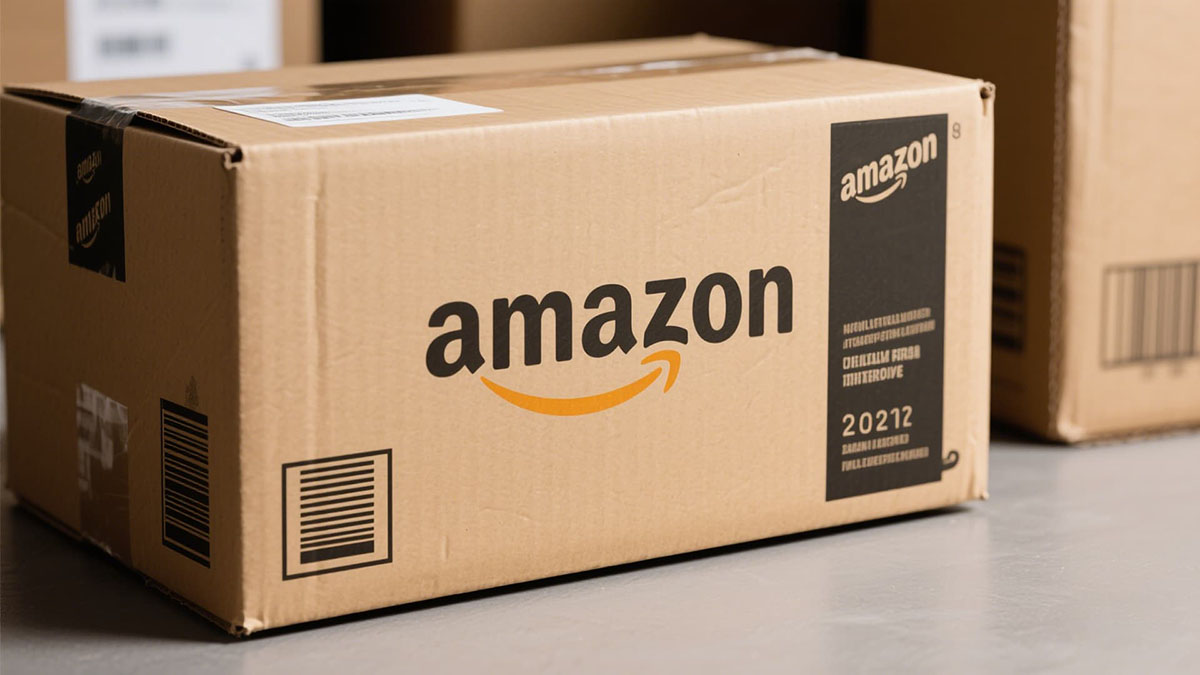
Let's make the margin difference concrete. Imagine you sell a silicone kitchen gadget that retails for USD 25. Here is how the economics compare if you dropship it versus sourcing it in bulk through an agent.
| Line Item | Dropshipping | Sourcing Agent (bulk) |
|---|---|---|
| Retail price (you sell at) | USD 25.00 | USD 25.00 |
| Product cost per unit | USD 11.00 (per-unit dropship price) | USD 5.00 (factory-direct, 500 pcs) |
| Shipping per unit | USD 4.50 (cross-border ePacket) | USD 1.20 (sea freight amortized) |
| Agent fee per unit (5%) | USD 0 | USD 0.25 |
| Platform + payment fees (8%) | USD 2.00 | USD 2.00 |
| Ad cost per sale (blended) | USD 5.00 | USD 4.00 (better conversion from faster shipping) |
| Returns/defects reserve | USD 2.00 (high defect risk, no QC) | USD 0.50 (QC reduces defects) |
| Net profit per sale | USD 0.50 | USD 12.05 |
| Profit margin | 2% | 48% |
On the same USD 25 product, dropshipping leaves you with roughly USD 0.50 per sale — barely break-even after ad spend — while the sourcing agent model delivers USD 12.05 per sale, a 48% margin. Across 1,000 units, that is the difference between USD 500 and USD 12,050 in profit. The dropshipper is also working with no quality control and slow shipping, which means reviews are declining and ad costs are rising. The agent-based seller is compounding brand equity and repeat purchases.
This is the core truth of the sourcing agent vs dropshipping debate: dropshipping is not really a business model, it is a research method. The moment a product proves it can sell, the math demands you move it to a sourcing agent.
When Dropshipping Makes Sense
Dropshipping is the right choice in a narrow but important set of circumstances:
- You are a complete beginner with limited capital. Dropshipping lets you learn the mechanics of e-commerce — listing, ads, customer service — without risking thousands on inventory.
- You are validating product ideas. The fastest way to know if a product sells is to run ads to it and see what converts. Dropshipping lets you test 10 products for the cost of ad spend alone.
- You sell trending or seasonal items. Products with a short lifecycle (e.g., a viral TikTok gadget) may not justify bulk inventory. Dropship until demand fades.
- You run a niche store with wide SKU range and low volume per SKU. Holding inventory across 50 slow-moving SKUs ties up capital; dropshipping keeps each SKU risk-free.
- You have strong paid-ads skills but no sourcing expertise. If your edge is traffic, not supply chain, dropshipping lets you focus on what you are good at.
The key is to treat dropshipping as a temporary stage, not a destination. Every product that proves itself in dropshipping should be a candidate for graduation to a sourcing agent.
When a Sourcing Agent Makes Sense
A sourcing agent becomes the right choice the moment you have a validated product and some capital to invest. Specifically:
- You have a proven winner. Once a product sells consistently for 30–60 days, bulk buying locks in 3–5x better margins.
- You sell on Amazon FBA. Amazon requires fast, reliable delivery and low defect rates. A sourcing agent provides FBA prep, labeling, and direct-to-warehouse shipping. See our Amazon FBA suppliers guide.
- You want to build a brand. Private label, custom packaging, and trademark filing all require the direct factory access that only an agent provides.
- You need quality control. If your product has any complexity (electronics, textiles, anything with safety implications), pre-shipment inspection is non-negotiable.
- You are scaling and need reliable supply. Dropship suppliers stock out without warning. An agent with factory relationships secures production capacity and priority slots.
- You source multiple SKUs. An agent consolidates orders from many factories into one optimized shipment, which dropshipping cannot do.
The Hybrid Approach: Sourcing Agent + Dropshipping
The most sophisticated e-commerce operators do not choose between the two models — they combine them into a pipeline that captures the strengths of each. Here is the hybrid workflow we recommend and see working across our clients:
- Test with dropshipping. List 5–10 candidate products via a dropship app. Run modest ad budgets. Track conversion rate, AOV, and return rate over 30 days.
- Graduate winners to a sourcing agent. For any product that hits your profitability threshold, engage a sourcing agent to source the factory-direct version, request samples, and run a small bulk order (200–500 units).
- Private label and ship to FBA. Have the agent apply your logo and custom packaging, perform AQL 2.5 QC, and ship directly to Amazon FBA or your local 3PL for 1–3 day delivery.
- Use the agent for per-order fulfillment during transition. Many sourcing agents (including Yeatru) offer per-order fulfillment from a China warehouse, so you can keep dropship-style fulfillment for new tests while bulk inventory is in transit.
- Reinvest and compound. As margins improve, reinvest profits into new SKUs and deeper inventory. Each restock cycle increases your brand equity and pricing power.
This hybrid approach gives you the speed and low risk of dropshipping for discovery, and the margins and brand control of a sourcing agent for scaling. It is the single most reliable path from "I sell stuff online" to "I own a brand."
Pro Tip: A common mistake is dropping a winning dropship product too late. The moment a product sells 20+ units in a month, start the agent sourcing process. By the time samples and the first bulk order arrive (4–6 weeks), your dropship demand will justify the inventory — and your margin will already have tripled.
Platform-by-Platform: Which Model Fits Where
Different sales channels favor different sourcing models. Here is a quick map:
- Amazon FBA: Sourcing agent, full stop. Dropshipping violates Amazon's delivery and quality expectations and risks account suspension. Find reliable Amazon FBA suppliers through an agent.
- TikTok Shop: Hybrid. Dropship to ride viral waves fast, then move winners to an agent to prevent stockouts during demand spikes. TikTok Shop rewards fast shipping, so local fulfillment (set up via an agent) wins at scale.
- Shopify DTC: Hybrid. Dropship for testing, agent for branded bestsellers. DTC benefits enormously from private label and custom unboxing, which only an agent enables.
- eBay / Etsy: Mixed. Dropshipping still works on eBay for breadth, but Etsy favors handmade/branded goods that require agent-managed OEM.
- Wholesale / retail: Sourcing agent. Wholesale buyers need consistent bulk supply, QC, and compliance documentation that dropshipping cannot provide.
The Capital Timeline: From Dropshipper to Brand Owner
One of the biggest mental blocks preventing dropshippers from graduating to a sourcing agent is uncertainty about capital. How much money do you actually need, and when? Here is the realistic capital timeline we see across clients who successfully make the transition:
- Month 0–2 (Validation): USD 500–1,000 in ad spend only. Dropship 3–5 products, track conversion rate, AOV, and return rate. No inventory capital required.
- Month 2–3 (Selection): Identify the 1–2 winners. Budget USD 200–500 for samples through a sourcing agent — this is your first agent interaction and the start of your factory relationship.
- Month 3–4 (First bulk order): USD 2,000–5,000 for a 300–500 unit first run, including product, 4–8% agent fee (min USD 150), and sea freight. The agent handles QC, FBA prep, and shipping.
- Month 4–6 (Restock and scale): Reinvest profits from the first run into a larger 1,000–2,000 unit restock (USD 5,000–15,000). By now your margin has tripled and your unit economics are healthy.
- Month 6–12 (Brand building): Add a second and third SKU, file your trademark, and begin custom packaging. Your sourcing agent becomes a strategic partner managing a small product portfolio.
The key insight is that you do not need all the capital upfront. Each restock cycle is funded substantially by the profits of the previous one, because your margin is 3–5x higher than it was in dropshipping. The dropshipping phase is not wasted — it de-risks your product selection so that your first bulk order is backed by real demand data, not guesswork.
Capital Hack: Use your dropshipping revenue as a rolling fund. Set aside 40–50% of dropship profit each month into a dedicated "bulk order" account. By month three, most validated products have generated enough to fund a first bulk run — without touching your original capital.
Common Mistakes When Transitioning from Dropshipping
The transition from dropshipping to a sourcing agent is where many e-commerce sellers stumble. Here are the seven most common mistakes we see, and how to avoid them:
- Ordering too small a first bulk run. A 100-unit order barely qualifies for factory pricing and leaves no buffer for defects or demand spikes. Aim for 300–500 units minimum to unlock real bulk economics and a safety stock buffer.
- Skipping QC to save the agent fee. The single most expensive mistake. One defective batch shipped to Amazon FBA can trigger returns, account flags, and suspended listings that cost 10–50x the inspection fee. Always inspect.
- Not accounting for lead time. Bulk orders take 4–8 weeks (production + sea freight). Dropshippers used to next-day fulfillment run out of stock because they reorder too late. Order your restock when you have 4–6 weeks of inventory left.
- Choosing the wrong product to graduate. Graduating a low-margin, high-return product to bulk does not fix its economics. Graduate your highest-margin, lowest-return product first.
- Ignoring compliance for the destination market. A dropship supplier may ship uncertified goods one at a time without issue, but bulk shipments attract customs scrutiny. Specify CE, FCC, or CPC compliance before production.
- Under-investing in branding on the first run. Even a simple custom logo and color box on your first bulk order differentiates you from dropship competitors and starts building brand equity from day one.
- Not building a relationship with the agent. Treat your sourcing agent as a long-term partner, not a transactional vendor. Agents who trust you prioritize your orders, share market intelligence, and flag problems early.
Inventory and Cash Flow: The Real Constraint
Beyond margin, the biggest operational difference between dropshipping and a sourcing agent is how inventory and cash flow work. In dropshipping, cash flow is nearly frictionless — the customer pays you, you pay the supplier, and you keep the difference within days. There is no inventory on your balance sheet and no capital tied up in stock.
With a sourcing agent, you are buying inventory. Your capital is tied up from the moment you place the deposit until the goods sell through, which can be 60–120 days when you factor in production, sea freight, and sales velocity. This is the fundamental trade-off: you trade cash flow flexibility for 3–5x better margins and a real brand asset.
Managing this transition well comes down to three disciplines:
- Accurate demand forecasting: Use your dropshipping sales data to forecast bulk order quantities. Order enough to cover 60–90 days of sales, plus a 20% safety buffer.
- Staggered restocking: Never put all your capital into one shipment. Stagger orders so that new stock arrives before the previous batch runs out, smoothing your cash flow.
- Working capital reserves: Keep 20–30% of your capital in reserve for ad spend, emergency air freight, and unforeseen delays. A common rookie error is over-investing in inventory and running out of cash for the ads that sell it.

Quality Control: Why It Changes Everything
The quality control gap between dropshipping and a sourcing agent is the single biggest reason the agent model produces better long-term results. In dropshipping, you ship blind — the supplier picks, packs, and ships without any verification, and you find out about defects from angry customer reviews. There is no opportunity to catch a bad batch before it reaches buyers.
A sourcing agent performs AQL 2.5 pre-shipment inspection, the international standard for statistical quality control. An inspector visits the factory, randomly samples a defined percentage of the batch, and checks dimensions, function, appearance, and packaging against your specification. You receive a detailed report with photos and video before you release final payment. If defects exceed the acceptable threshold, the agent forces rework at the factory's expense — before a single unit ships.
The downstream impact is enormous. Lower defect rates mean fewer returns, fewer 1-star reviews, lower advertising costs (because conversion rate is higher), and a healthier marketplace account. For Amazon FBA sellers in particular, this protection is the difference between a sustainable brand and a suspended account. Quality control is not a cost — it is the insurance policy that keeps your business alive.
Shipping Speed and Customer Experience
Shipping speed is the metric that most clearly separates a dropshipping operation from a brand built on a sourcing agent. Dropshipping from China typically delivers in 10–25 days, which is acceptable to few modern consumers and actively punished by marketplaces. Amazon buries slow-shipping listings, TikTok Shop demotes accounts with late-shipment rates, and Shopify stores see conversion rates drop 20–40% when delivery exceeds a week. Every day of shipping time costs you sales, reviews, and ad efficiency.
A sourcing agent flips this dynamic. By shipping bulk inventory to Amazon FBA or a local 3PL via sea or air freight, you unlock 1–3 day delivery to end customers. Faster shipping lifts conversion rate, reduces cart abandonment, improves review velocity (because customers receive products while their excitement is fresh), and qualifies you for premium marketplace badges like Amazon Prime and TikTok Shop's Fast Shipping label. The compounding effect on organic ranking and ad ROI typically pays for the freight difference within the first restock cycle. In short, shipping speed is not a logistics detail — it is a growth lever, and only the sourcing agent model can pull it.
Frequently Asked Questions
Is dropshipping or a sourcing agent more profitable?
A sourcing agent is more profitable at scale. Dropshipping typically yields 10–30% margins because you pay retail-level per-unit prices, while a sourcing agent secures factory-direct pricing that delivers 40–70% margins once you buy in bulk. Dropshipping wins only for validating products with zero inventory risk.
Can I dropship and use a sourcing agent at the same time?
Yes, and this hybrid approach is increasingly popular. Use dropshipping to test which products sell, then switch the winners to a sourcing agent for bulk purchasing, private labeling, and faster shipping. The agent can also fulfill single orders from a China warehouse while you ramp up to FBA inventory.
How long does dropshipping shipping take versus a sourcing agent?
Standard dropshipping from China takes 10–25 days, which hurts conversion and reviews. A sourcing agent can ship bulk inventory by sea (25–40 days to FBA) or air (5–10 days), then fulfill orders domestically in 1–3 days from a local or Amazon warehouse, dramatically improving delivery speed and customer satisfaction.
Which is better for Amazon FBA?
A sourcing agent is far better for Amazon FBA. Amazon requires fast, reliable delivery and penalizes sellers for defects and late shipments. Dropshipping is largely incompatible with Amazon's policies because you cannot guarantee delivery speed or quality. A sourcing agent handles FBA prep, labeling, and direct shipment to Amazon fulfillment centers.
Which is better for TikTok Shop?
It depends on stage. To test viral products fast, dropshipping works because you can launch with no inventory. Once a product goes viral and demand spikes, a sourcing agent is essential to secure bulk stock, prevent stockouts, and protect margin. TikTok Shop also rewards fast shipping, so fulfilling from local inventory (set up via an agent) outperforms cross-border dropshipping.
What is the upfront cost difference?
Dropshipping has near-zero upfront cost since you only buy after a customer pays. A sourcing agent requires capital for bulk orders (typically USD 2,000–10,000 for a first run) plus a 3–8% agent fee. The trade-off is that bulk buying delivers unit costs 40–60% lower than dropship per-unit prices.
Do I own my brand with dropshipping?
Usually no. Dropshipped products are generic and branded by the supplier, so you are reselling someone else's product with no IP protection. A sourcing agent enables private label, custom packaging, and trademark filing, so you build a defensible brand asset that compounds in value over time.
What is the biggest risk of dropshipping?
The biggest risks are supplier reliability (the supplier can stock out or raise prices without warning), long shipping times that trigger chargebacks and account suspensions, and no quality control, which leads to returns and 1-star reviews. You also have no brand moat, so competitors can copy you instantly.
Can a sourcing agent do dropshipping fulfillment?
Yes. Many sourcing agents, including Yeatru, offer per-order fulfillment from a China warehouse for clients transitioning from dropshipping to bulk buying. This gives you dropship flexibility with agent-level QC and lower per-unit costs than typical dropship suppliers.
How much capital do I need to switch from dropshipping to a sourcing agent?
Plan for USD 2,000–5,000 for your first bulk order (product + 4–8% agent fee, minimum USD 150/order) plus shipping. Start with one validated product, use the agent for QC and FBA prep, and reinvest profits into the next SKU. This is the proven path from dropshipper to branded seller.
Conclusion: From Dropshipper to Brand Owner
The sourcing agent vs dropshipping question is really a question about what stage of business you are in. Dropshipping is the training wheels — it lets you learn, test, and validate without risking capital. But the moment you find a product that sells, the economics flip decisively in favor of a sourcing agent. Bulk factory-direct pricing, independent quality control, private label branding, and fast local delivery are the four levers that turn a side hustle into a defensible, profitable brand.
The sellers who win are not the ones who pick dropshipping or a sourcing agent. They are the ones who use dropshipping to discover what works, then ruthlessly graduate every winner to a sourcing agent before their competitors do. The margin gap between the two models is so large that every month you delay the switch, you are leaving the majority of your profit on the table.
At Yeatru Sourcing we help e-commerce sellers make exactly this transition. From our base in Yiwu, we have guided 200+ clients across 50+ countries from dropship tests to branded FBA brands, with a 98% satisfaction rate and access to 75,000+ verified suppliers. To learn more, visit our about Yeatru Sourcing page. When you have a product worth scaling, get a free quote and we will show you the real factory price behind it.

