What Are FOB and CIF?
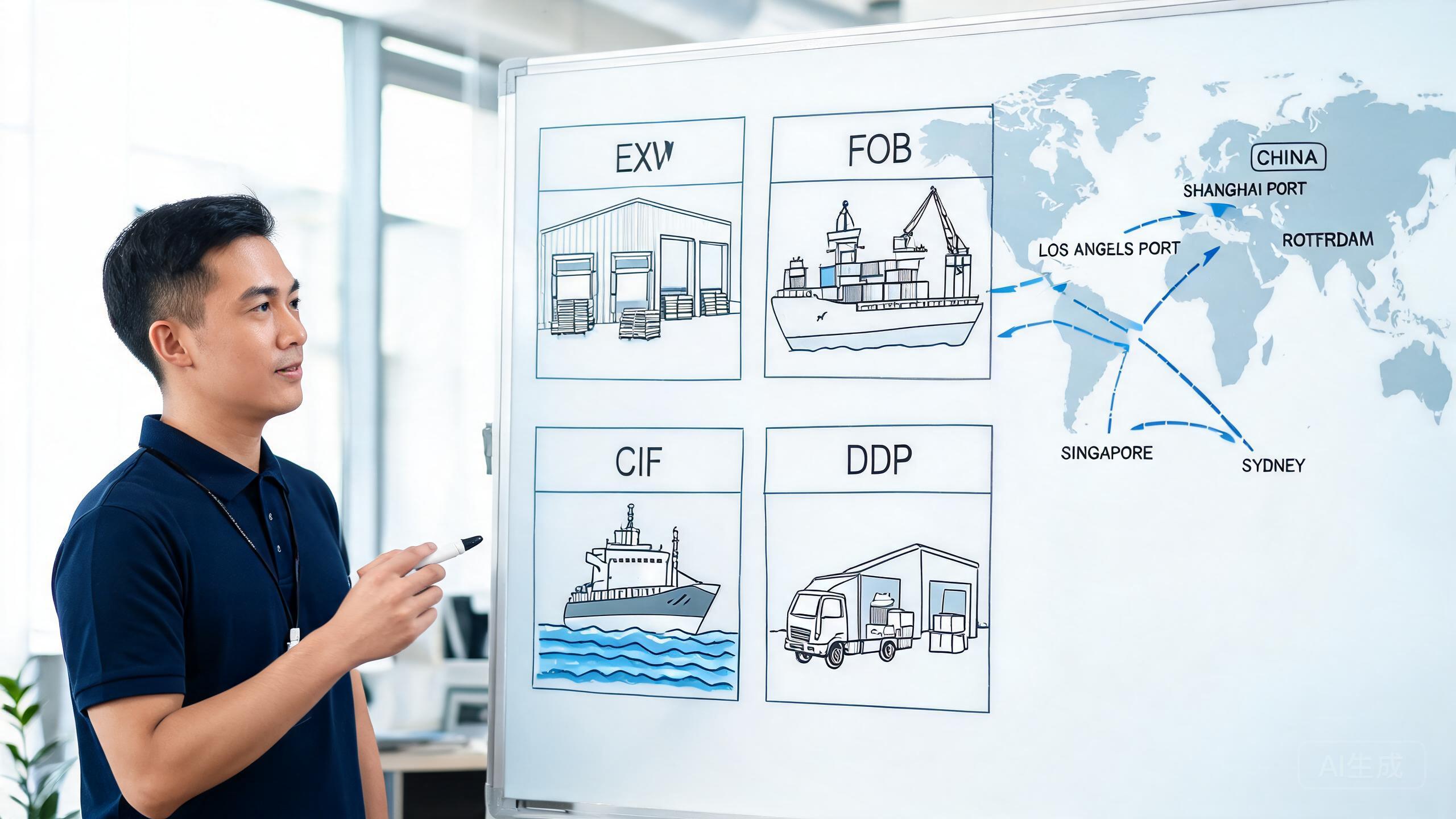
FOB (Free On Board) and CIF (Cost, Insurance, Freight) are both sea-freight Incoterms where the seller delivers goods onto the vessel at the port of shipment. Under both, risk transfers when the goods are on board. The difference is who pays for the ocean freight and cargo insurance:
- FOB: the buyer pays ocean freight and insurance. The seller's responsibility ends when goods are on board.
- CIF: the seller pays ocean freight and insurance to the destination port. The buyer still clears import and pays duty.
Many buyers assume CIF is "safer" because the seller handles freight and insurance. But under CIF the seller controls the carrier, the route, and the insurance policy — and they have every incentive to choose the cheapest options, not the best ones for you.
FOB vs CIF: Side-by-Side Comparison
| Responsibility | FOB | CIF |
|---|---|---|
| China export clearance | Seller | Seller |
| Inland to port + loading | Seller | Seller |
| Ocean freight | Buyer | Seller |
| Cargo insurance | Buyer | Seller |
| Import clearance & duty | Buyer | Buyer |
| Last-mile delivery | Buyer | Buyer |
| Risk transfer | On board vessel | On board vessel |
| Carrier choice | Buyer controls | Seller controls |
| Transit time control | Buyer | Seller (may use slow line) |
Cost Comparison: Same Order, FOB vs CIF
1,000 units at $5.00 FOB Ningbo, sea FCL to Los Angeles.
| Line Item | FOB (your forwarder) | CIF (seller's forwarder) |
|---|---|---|
| Goods FOB Ningbo | $5.00 | $5.00 |
| Ocean freight Ningbo→LA | $0.15 (spot rate) | $0.20 (seller markup 33%) |
| Cargo insurance (110% value) | $0.02 (your policy, Clauses A) | $0.01 (seller's cheap Clauses C) |
| ISF + US customs entry | $0.18 | $0.18 |
| Duty + Section 301 | $0.69 | $0.69 |
| Port drayage + last-mile | $0.26 | $0.26 |
| Landed per unit | $6.30 | $6.34 |
CIF looks only $0.04/unit more here, but the real costs are hidden:
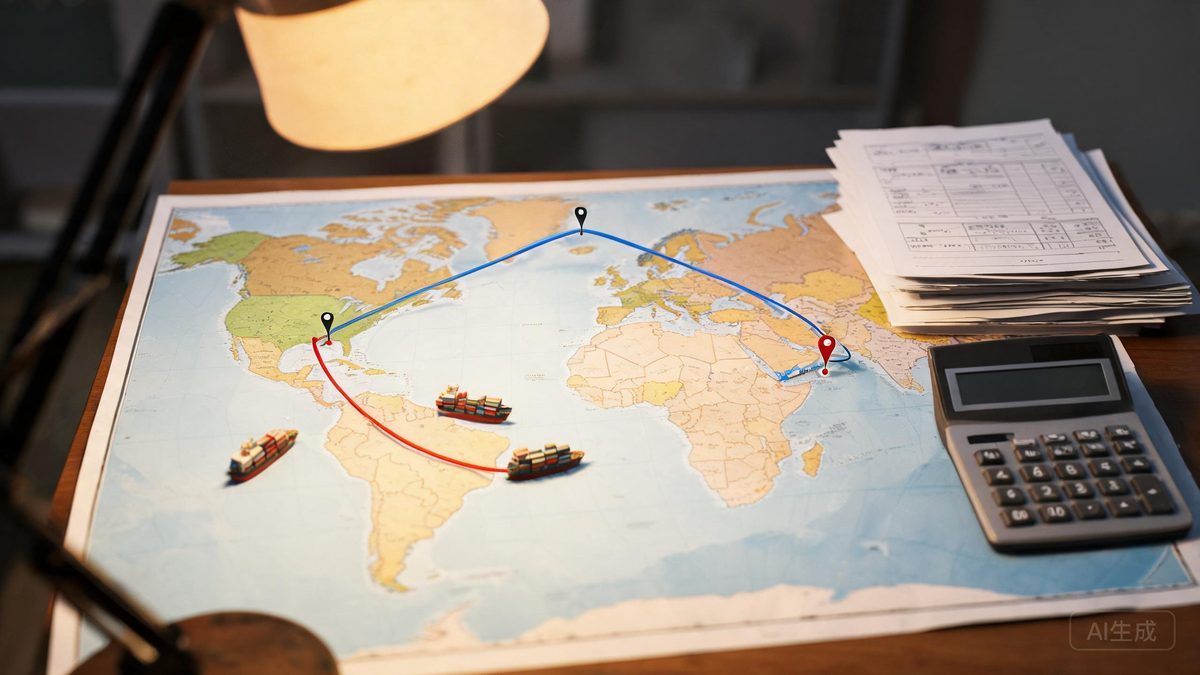
- Transit time: your FOB forwarder uses an 18-day direct Ningbo→LA service. The seller's CIF forwarder uses a 35-day transshipment via Singapore. 17 extra days of transit.
- Insurance: your FOB policy is Institute Cargo Clauses A (all risks). The seller's CIF policy is Clauses C (named perils only — no coverage for rough handling, water damage, or theft unless specifically named).
- Tracking: under FOB you have direct contact with the carrier. Under CIF the seller controls tracking info and may delay updates.
For a $5,000 order, FOB saves ~$200 vs CIF and gets your cargo 17 days faster with real insurance. For repeat FCL orders, FOB saves $4,000–$8,000 per container versus CIF over a year.
Why Experienced Buyers Avoid CIF
- Freight inflation: the seller marks up the ocean rate by 20%–40% as a hidden margin. You can't see the real rate.
- Slow steamship lines: the seller books the cheapest carrier, adding 5–15 transit days. For Amazon FBA sellers, missed restock windows cost far more than the freight savings.
- Weak insurance: CIF requires only minimum 110% cargo cover. Sellers buy the cheapest Clauses C policy, which excludes most common damage (rough handling, water, theft). Your claim gets denied.
- No carrier control: you can't switch carriers, change routing, or redirect cargo if your plans change. The seller's forwarder is in charge.
- Rolled cargo: cheap CIF carriers roll cargo to later vessels more often. Your shipment "misses the boat" and you can't do anything about it.
When CIF Actually Makes Sense
CIF is not always wrong. It can work when:
- You have no freight forwarder and the order is too small for FOB minimums.
- The seller is a large, reputable supplier with preferred carrier rates that beat your forwarder's spot rate.
- You explicitly negotiate the carrier, transit time, and insurance level (Clauses A) into the CIF quote.
Even then, always compare the CIF freight line against 2–3 independent forwarder quotes to confirm the rate is real.
How to Convert a CIF Quote to FOB
If a supplier only offers CIF, ask them to break out the freight and insurance line items. Then:
- Subtract the CIF freight and insurance from the CIF unit price to get the FOB price.
- Get 2–3 independent FOB freight quotes from your own forwarders.
- Compare total landed cost (FOB price + your freight + your insurance + duty).
- If FOB is cheaper (it usually is), ask the supplier to quote FOB instead.
Most suppliers will switch to FOB once they see you've done the math — it signals you're an experienced buyer.
How Yeatru Handles FOB vs CIF
Yeatru never pushes CIF. We quote FOB with all China-side local charges (THC, docs, export declaration) included — no surprises. If you want door-to-door, we quote DDP. We show you the real freight rate from 2–3 carriers so you can choose transit time vs. cost.
Frequently Asked Questions
1. What is the difference between FOB and CIF?
Under FOB the buyer pays ocean freight and cargo insurance; under CIF the seller pays freight and insurance to the destination port. Risk transfers at the same point (on board the vessel) under both. The buyer clears import and pays duty under both.
2. Why is FOB better than CIF for China sourcing?
FOB gives you control over the carrier, transit time, and insurance. Under CIF the seller picks the cheapest (often slowest) carrier and the weakest insurance, marking up freight by 20%–40%. FOB typically saves 5%–15% and gets cargo faster with better coverage.
3. Does CIF include import duty?
No. CIF covers freight and insurance to the destination port only. You (the buyer) still pay import duty, clear customs, and arrange last-mile delivery. For door-to-door with duty paid, use DDP.
4. Is CIF insurance enough to cover my cargo?
Usually no. CIF requires only minimum 110% cargo cover, and sellers typically buy Institute Cargo Clauses C (named perils only). Most common damage — rough handling, water damage, theft — is excluded. Under FOB you buy Clauses A (all risks) for a few dollars more.
5. Can I ask a supplier to switch from CIF to FOB?
Yes. Ask the supplier to break out the freight and insurance line items from their CIF quote, then subtract them to get the FOB price. Most suppliers will quote FOB once they see you've compared rates with independent forwarders.
6. When should I choose CIF over FOB?
Choose CIF only for very small orders where FOB minimums don't apply, or when a large reputable supplier offers a preferred carrier rate that beats your forwarder's spot rate. Always negotiate the carrier, transit time, and insurance level (Clauses A) into the CIF quote.
Conclusion
FOB and CIF transfer risk at the same point, but FOB gives you control over freight, transit time, and insurance — the three things that determine your real cost and whether cargo arrives on time and intact. Avoid CIF unless you have a specific reason and have verified the carrier, rate, and insurance. For most China sea-FCL importers, FOB is the default choice and saves 5%–15% while getting cargo faster. Get an FOB quote from Yeatru with transparent freight rates from multiple carriers.