What Is a Defective-Goods Claim Against a Chinese Supplier?
A defective-goods claim is a formal, documented demand that a Chinese supplier remedy goods that fail your agreed specification after delivery. It is built on three things: evidence taken before the goods are sorted or resold, a defect rate measured against the contract's AQL 2.5 major / 4.0 minor / 0 critical standard, and a written remedy (rework, replacement, refund or price credit) within the contract's claim window. A claim is not a complaint — it is a contract action with a number attached.
The 7-Step Defect Claim Process
Work the claim in this order. Each step protects the next; skipping one is how a legitimate claim turns into a goodwill negotiation you lose.
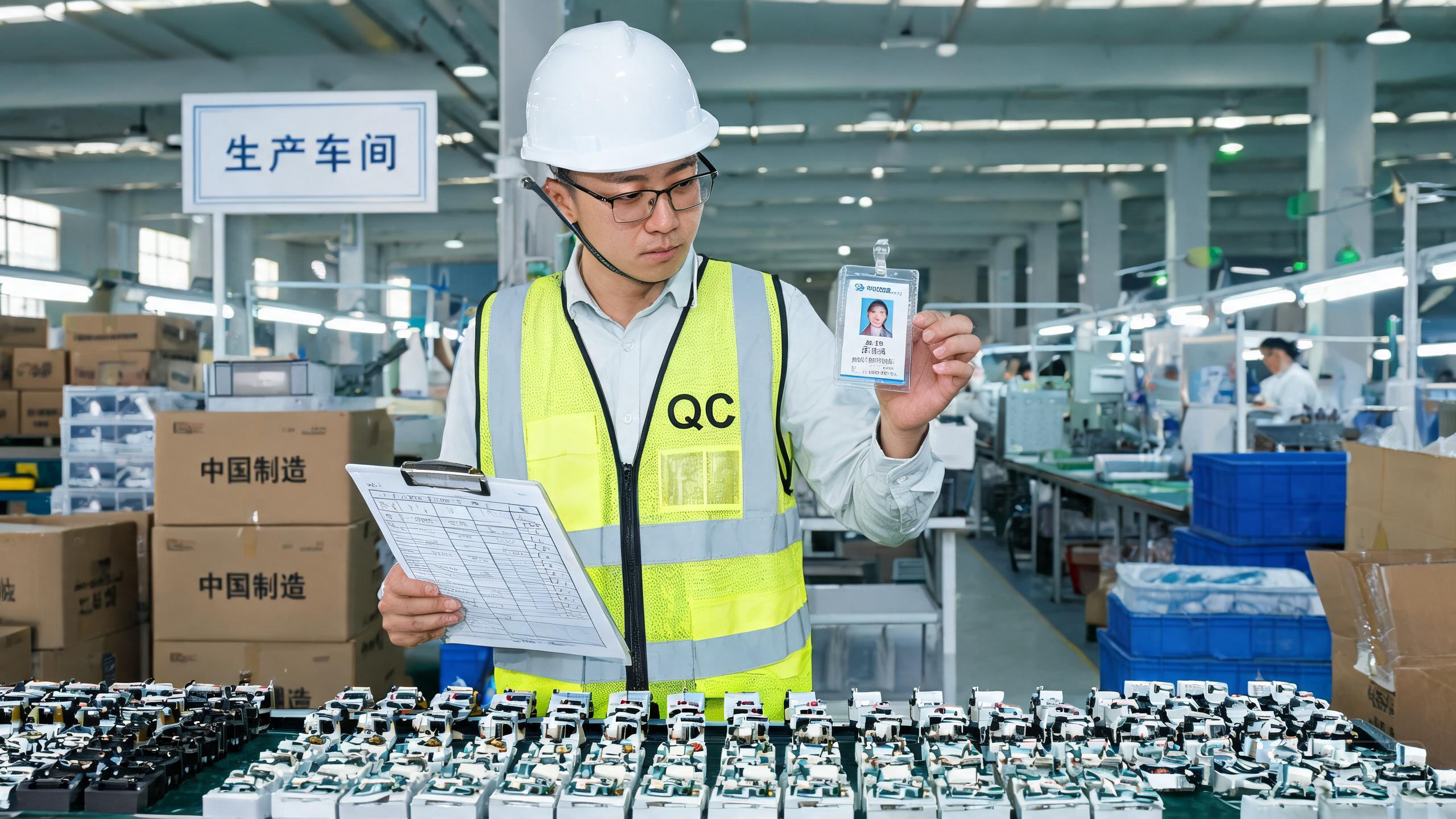
- Freeze the evidence. Photograph and count every defect, keep the original cartons and postal labels, and pull the pre-shipment inspection report and AQL card. Quarantine the defective units — do not sort, repair or resell them before the claim is filed. Evidence captured before the goods move is what wins; evidence captured later lets the supplier argue the damage happened after arrival.
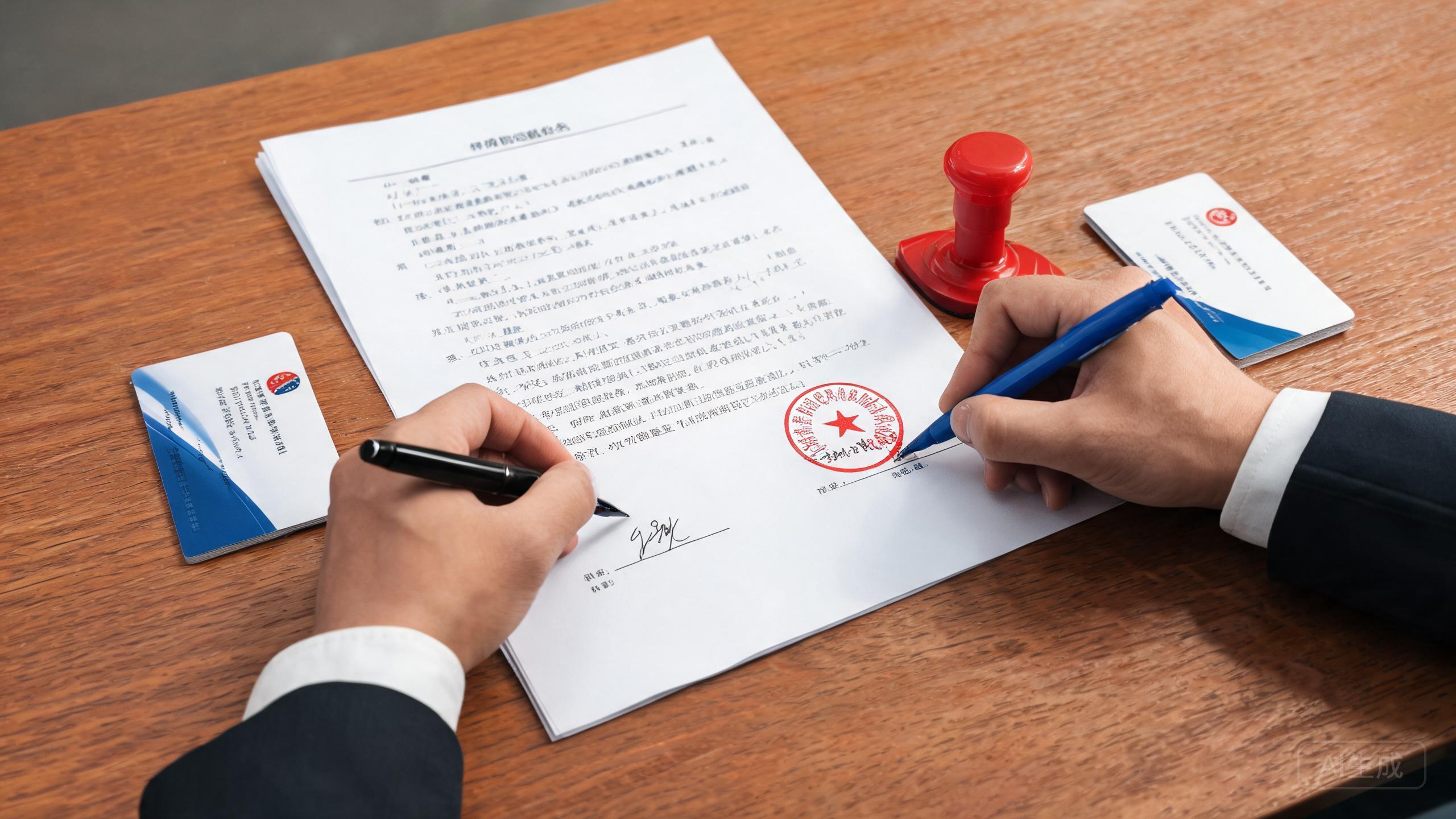
- Notify the supplier in writing. Send one dated email within 7 days that states the PO number, the measured defect rate, the photo set and the specific remedy you want. Most contracts set a 7–14 day window from delivery — late notice can void the claim even at a 12% defect rate.
- Classify the defects and fix responsibility. Sort into critical, major and minor (see defect classification), compare the rate against AQL 2.5 / 4.0, and separate factory-process faults from transit damage and buyer-caused design faults so responsibility is unambiguous.
- Propose a remedy. Match one of the four remedies to the defect class (see the comparison table below). This is where you set your anchor, before any negotiation.
- Negotiate against the number. Quote your measured defect rate and cost, not a round percentage. Suppliers respond to arithmetic, not adjectives.
- Escalate. If the sales rep stalls, move the claim to the factory GM, the owner, or through your sourcing agent — and mention the platform or bank-channel dispute route only as a last resort.
- Line up a backup supplier. Keep an approved second factory in reserve so the negotiation cannot stall your business. Suppliers negotiate differently when they know you can move.
Rework vs Replacement vs Refund vs Discount
Most buyers ask for the wrong remedy. The right choice depends on the defect class, whether the factory can re-run the lot, and how much of the sell season is left.
| Remedy | Best When | Typical Cost to Supplier | Timeline |
|---|---|---|---|
| Rework | Major defects that are repairable (reseam, reprint, re-test); partial lot | Labour + parts; usually 5–15% of the defective units' value | 3–10 days, then re-inspect |
| Replacement | Factory can re-run the affected units; season still allows re-production | Material + labour for re-run units; factory absorbs freight | 10–25 days production + transit |
| Refund | Critical or unsellable defects; factory cannot re-run in time | Full unit value of the defective share, minus recoverable scrap | Paid against next PO or bank |
| Discount / credit | Recoverable cosmetic or minor defects you can still sell | 5–25% credit on the defective share | Offset against the same or next invoice |
Use a price credit only for recoverable minor or cosmetic defects. For critical (safety) defects, insist on refund or replacement, because a discount on a recall-risk item is a discount on a future recall. When in doubt, see return & defect policy.
How to Calculate Your Claim
A fair claim is a sum, not a feeling. Use this formula:
Claim = (defective units × unit cost) + rework labour + freight paid on the defective share + re-inspection fee − recoverable scrap value.
Worked example: a $9,500 order of 5,000 units at $1.90/unit with a 12% defect rate. Defective units = 600. Base claim = 600 × $1.90 = $1,140. Add rework labour (600 units × $0.20) = $120, plus your inbound freight share on the defective units (roughly $180), plus a re-inspection day ($160). Documented claim value ≈ $1,600 before negotiation — and you anchor there, not at a round "give me 10%".
Compare that to physically returning the goods: sea-returning 600 units to China adds freight, export re-import duty and clearance that typically exceed the $1,140 in goods value. That is why the practical remedies are credits, rework, replacement, or in-market disposal — not a container sailing back.
Case Study: $9,500 Shipment, 12% Defects → 18% Credit + Free Replacement
A UK TikTok Shop seller ordered 5,000 LED ring lights at $1.90/unit, total $9,500, MOQ 5,000, with a PSI run at AQL 2.5 major. The lot passed, but at the 3PL 12% (600 units) failed three classes: 380 units with a flickering driver (major), 150 with a cracked diffuser (major), and 70 with an incorrect USB-C to micro-USB cable (critical — not fit for the advertised spec).
| Defect Class | Units | Rate | Remedy Sought | Agreed Outcome |
|---|---|---|---|---|
| Flickering driver (major) | 380 | 7.6% | Rework if possible | Supplier reworked 200, credited 180 |
| Cracked diffuser (major) | 150 | 3.0% | Replacement | Replaced free on next PO |
| Wrong cable (critical) | 70 | 1.4% | Refund or correct cable | Correct cables shipped free by air |
We froze the outstanding 50% balance of $4,750, sent a dated notice within 7 days with the photo set and the AQL math (the 1.4% critical rate alone exceeded AQL 0's Re = 1 on any sample), and anchored to the $1,600 documented claim. The factory resisted a refund but agreed to a 18% credit on the defective share (≈$1,710) plus free replacement diffusers and the correct cables on the next order. Net recovery: ~$1,710 in credit, ~$420 in free parts, and $160 re-inspection billed to the supplier — about $2,290, on a $9,500 order, with the account retained. A discount-only ask would have settled at maybe 5% ($475).
The 6 Clauses That Must Be in Every Email and Contract
Your leverage in a defect claim is written down long before the dispute. Put these six clauses in the contract and refer to them in the claim email:
- Acceptance standard: AQL 2.5 major / 4.0 minor / 0 critical (ISO 2859-1), Level II sampling, against a signed golden sample.
- Claim window: 7–14 days from delivery for visible defects, up to 30 days for latent defects, with photo evidence required to open a claim.
- Rework at supplier cost: the factory repairs or replaces defective units at its own cost, and the re-inspection fee is billed to the supplier.
- Defect-credit table: a fixed credit per defect class so the remedy is arithmetic, not a negotiation (for example 3% major, 1% minor on the defective share).
- Balance hold-back: the balance is released only after a Pass pre-shipment inspection; no Pass, no payment.
- Offset / chargeback right: you may offset the credit against the next PO invoice, and dispute through Trade Assurance or the card/PayPal channel if the supplier refuses — see how to pay Chinese suppliers safely.
Chargeback Routes by Payment Method
How much leverage you have in a defect claim depends on how you paid. Here is where each route actually helps.
| Payment Method | Dispute Window | Real Leverage on a Quality Claim | Best Combined With |
|---|---|---|---|
| Bank transfer (T/T) | None | No chargeback — the claim rests entirely on the contract | A signed defect clause + a Pass PSI |
| Credit card | ~120 days | Weak on physical-goods quality; often sides with the seller | Written notice + photo evidence |
| PayPal | ~180 days | Moderate; seller-dispute coverage varies by case | Dated email thread + AQL report |
| Alibaba Trade Assurance | Order window | Strong up to order value when filed inside the platform window | In-platform messages + QC report |
| Agent-managed escrow | Per agreement | Strong — the agent holds leverage and local escalation | A defect-credit table + offset right |
When to Walk Away: 6 Escalation Triggers
A claim is worth fighting while the supplier engages in good faith. Move the volume when these six triggers appear.
- The supplier refuses to acknowledge a documented defect rate at all.
- The defect recurs after a remedy was already applied to the same process.
- The supplier asks you to accept a discount on a critical/safety defect.
- The factory cannot reproduce or explain the defect on the line.
- The supplier misses your claim window or answer deadlines twice.
- The defect cost exceeds 15% of order value and the supplier will not offset it.
- The supplier substitutes a cheaper material or component without approval.
- Communication stops entirely for more than 5 business days.
What to Write in the First Claim Email
Keep the first email factual and short. Include these seven items so the supplier cannot claim confusion or delay.
- PO number, product and the date the goods arrived.
- The measured defect rate (for example 12% = 600 of 5,000 units).
- A short table of defects by class with unit counts.
- Photo evidence attached, named by defect class.
- The AQL 2.5 / 4.0 standard that the rate breaches.
- The remedy you are requesting (rework, replacement, refund or credit).
- A reply deadline (for example 5 business days) and the balance-hold consequence.
Common Mistakes That Kill a China Defect Claim
- Sorting or reselling goods before documenting. Once the cartons are broken and units sold, you cannot prove the defect rate.
- Filing after the claim window. A 12% defect rate filed on day 25 of a 14-day contract window can be refused outright.
- Asking for a round discount. "Give me 15%" invites a counter at 3%. Quote your measured rate and cost.
- Accepting a discount on a critical defect. A safety defect discounted is a recall you will pay for yourself.
- No pre-shipment inspection to begin with. Without a Pass report you cannot separate factory faults from transit damage — see PSI in China.
- Negotiating only with the sales rep. The rep has no authority; escalate to the GM with your number in writing.
How Yeatru Recovers Money from Chinese Suppliers
Yeatru acts as your on-the-ground negotiator when a shipment arrives defective. We re-count and re-classify the defect rate against AQL 2.5, build the $ figure from unit cost, labour and freight, send the dated claim notice in Chinese and English, and escalate to the factory owner or GM when the rep stalls. When rework or replacement is chosen, we schedule and supervise the re-inspection so the remedy is verified before you close the claim, and we bill the re-inspection fee to the supplier under the defect clause. See our third-party inspection guide for how the re-verification works.
Frequently Asked Questions
1. How long do I have to claim defective goods from a Chinese supplier?
Most China supply contracts set a claim window of 7–14 days from delivery, or 30 days for latent defects that only appear in use. Send a written notice within 7 days of arrival to be safe, and inspect within 48 hours. A claim filed after the window closes can be refused even when the defect rate is 12%.
2. Should I ask for a refund or a replacement for defective goods from China?
Ask for a refund when the defects are critical or unsellable and the factory cannot re-run the lot; ask for replacement when the factory can re-produce the affected units and the season still allows it; ask for rework when only a fraction is repairable; and accept a price credit only for recoverable cosmetic or minor defects. Never take a discount for a safety (critical) defect.
3. How do I calculate a fair claim for a defective shipment?
Claim = (defective units × unit cost) + rework labour + freight you already paid on the defective share + re-inspection fee. Example: a $9,500 shipment at $1.90/unit (5,000 units) with a 12% defect rate (600 units) gives a base claim of 600 × $1.90 = $1,140, plus labour and freight, before negotiation. Anchor to this number, not to a round discount.
4. Who pays return freight for defective goods from China?
The supplier pays according to the contract, but in practice returning goods to China is uneconomic. For a $9,500 order, returning 600 defective units by sea costs more than the goods are worth once freight, duty and re-import clearance are added. That is why credits, rework or in-market disposal are usually cheaper than a physical return.
5. Can I charge back a Chinese supplier through my payment method?
It depends on how you paid. Card and PayPal disputes can be filed within 120 days and 180 days respectively, but card networks rarely side with the buyer on a quality dispute for physical goods. Trade Assurance covers Alibaba orders up to the order value when you file within the platform window. Bank transfer (T/T) has no chargeback, which is why the contract and QC report carry the whole burden of the claim.
6. What clauses should be in the contract to support a defect claim?
Six clauses: (1) AQL 2.5 major / 4.0 minor / 0 critical acceptance standard; (2) a 7–14 day claim window with photo evidence required; (3) rework at supplier cost with the re-inspection fee billed to the supplier; (4) a defect-credit table per class; (5) hold-back of the balance until a Pass pre-shipment inspection; (6) a chargeback or offset right against the next PO.
Conclusion
Recovering money from a defective shipment from China is a process, not a plea. Document the defects before you touch the goods, file within the 7–14 day window, classify against AQL 2.5, quote the measured defect rate and cost, then choose the right remedy — rework, replacement, refund or credit — and hold the balance until the fix is verified. A $9,500 order that could have settled at a 5% discount recovered 18% plus free replacement because the buyer brought numbers and a deadline, not emotion. Contact Yeatru to have us build and negotiate your next defect claim. Related: return & defect policy guide.