What Are DAP and DDP?
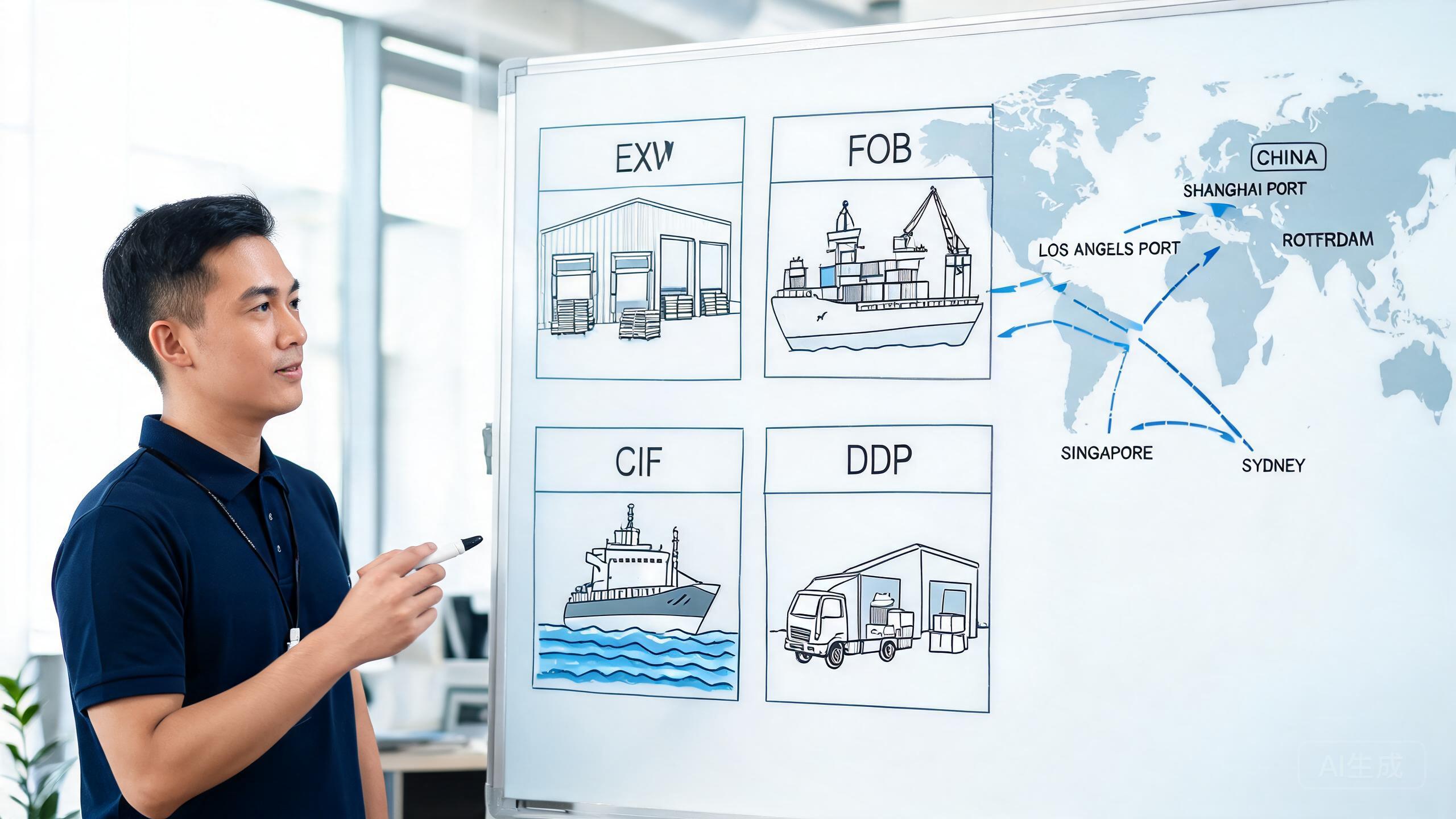
DAP (Delivered at Place) and DDP (Delivered Duty Paid) are the two Incoterms 2020 terms where the seller delivers goods all the way to the buyer's door. The seller handles export clearance, international freight, insurance, and last-mile delivery. The only difference is who handles import clearance and pays import duty: under DAP it's the buyer; under DDP it's the seller.
This single difference — duty — is why buyers get confused and sometimes hit surprise bills. A DAP shipment that arrives "at your door" still requires you (or your broker) to file the import entry, pay duty, and clear customs before the truck can complete delivery. A DDP shipment arrives fully cleared, with duty already paid by the seller.
DAP vs DDP: Side-by-Side Comparison
| Responsibility | DAP (Delivered at Place) | DDP (Delivered Duty Paid) |
|---|---|---|
| Export clearance (China) | Seller | Seller |
| International freight | Seller | Seller |
| Insurance | Seller (recommended) | Seller (recommended) |
| Last-mile delivery to buyer | Seller | Seller |
| Import clearance | Buyer | Seller |
| Import duty & taxes | Buyer | Seller |
| Risk transfer point | Buyer's premises | Buyer's premises |
| Buyer admin | Must clear customs | None — door-to-door done |
| Price transparency | Duty billed separately | Duty bundled into unit price |
The Duty Difference: Real Numbers
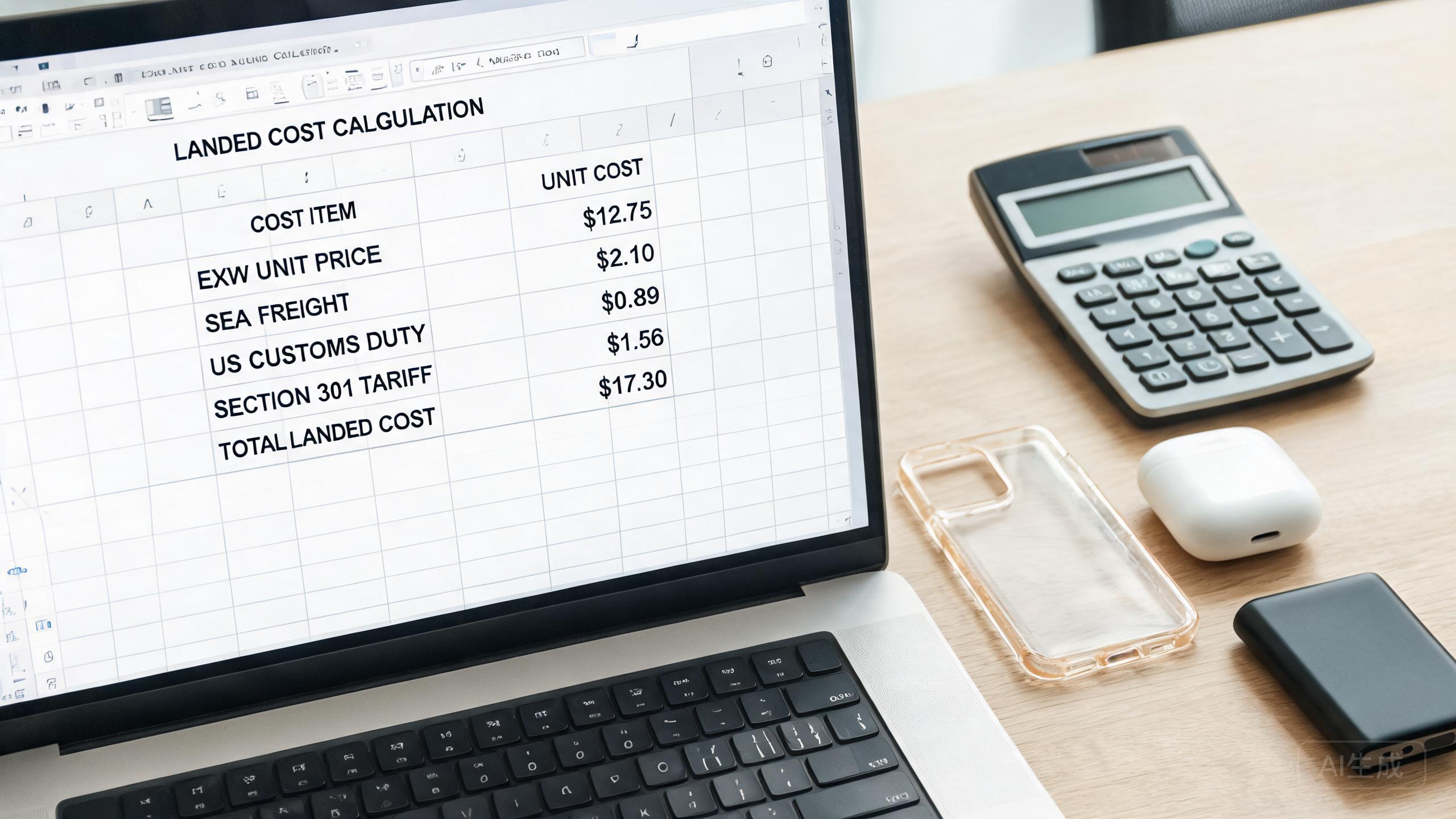
Take a 1,000-unit order of kitchen tools at $4.00/unit EXW from Yiwu, shipped sea to Los Angeles. The freight + insurance + last-mile to door is the same under both DAP and DDP: $1.20/unit. The only variable is import duty.
| Line Item | DAP | DDP |
|---|---|---|
| Goods + freight + insurance + last-mile | $5.20/unit | $5.20/unit |
| US customs entry + bond + ISF | $0.18/unit (buyer) | $0.22/unit (seller markup) |
| HTS duty (say 3.9% on $4.00 goods) | $0.16/unit (buyer pays) | $0.18/unit (seller bundles + markup) |
| Section 301 tariff (if applicable, 25%) | $1.00/unit (buyer pays) | $1.10/unit (seller bundles + 10% margin) |
| Total landed per unit | $6.54 (duty separate) | $6.70 (all-in) |
DDP costs ~$0.16/unit more here because the seller adds a 10%–15% margin on the duty and customs entry line. But under DAP you must have a US customs broker, file the entry, and pay duty out of pocket before delivery releases. For a $5,200 order, the duty + broker fees (~$1,340) hit your cash flow before you can sell the goods.
When to Choose DAP
- You have an existing US/EU customs broker with your bond on file — they clear faster and cheaper than the seller's broker.
- Duty-deferral or duty-exemption programs apply (e.g., US Foreign Trade Zone, EU inward processing relief, duty drawback). Under DAP you claim these directly; under DDP the seller pockets the "standard" duty.
- High-duty goods (e.g., products with Section 301 tariffs) where a 10% seller markup on duty is significant.
- Repeat, high-volume importers who want full visibility on the duty line and don't mind the admin.
When to Choose DDP
- First-time importers or small orders — one all-in price, zero customs paperwork, no surprise duty invoices.
- No customs broker in the destination country — the seller's broker handles everything.
- Amazon FBA and tight deadlines — DDP avoids customs delays that miss FBA restock windows.
- Low-duty or duty-free goods where the seller's markup on duty is negligible (e.g., many textiles at 0%–3%).
DDU vs DAP vs DDP: Clearing Up the Names
Buyers frequently see DDU on supplier quotes. DDU (Delivered Duty Unpaid) was an Incoterms 2010 term. In Incoterms 2020, DDU was replaced by DAP. They are functionally identical: seller delivers to the buyer's door, buyer pays duty. If a supplier quotes "DDU" in 2026, treat it as DAP and confirm in writing who pays import duty.
The three door-to-door terms ranked by buyer convenience:
- DDP — seller pays duty, simplest for buyer.
- DAP (a.k.a. DDU) — buyer pays duty, slightly cheaper but requires a broker.
- No Incoterm exists for "seller delivers to port, buyer handles inland + duty" — that's CIF/CIP.
How Yeatru Quotes DAP vs DDP
Yeatru provides both quotes side by side so you can choose:
- DDP quotes include a verified duty breakdown (HS code, duty %, Section 301 if applicable) — no hidden markups.
- DAP quotes leave duty off the invoice; we can recommend a destination broker or work with yours.
- We use established, audited forwarders — not fly-by-night DDP brokers that misdeclare HTS codes.
Frequently Asked Questions
1. What is the difference between DAP and DDP?
The only difference is import duty and customs clearance. Under DAP the buyer pays duty and clears customs; under DDP the seller pays duty and clears customs. All other costs (export, freight, insurance, last-mile) and the risk transfer point (buyer's door) are identical.
2. Is DAP or DDP cheaper?
DAP is usually cheaper by 5%–15% on the duty line because the seller adds a 10%–15% markup on duty under DDP. However, DAP requires you to have a customs broker and pay duty upfront, which affects cash flow. For low-duty goods the DDP markup is negligible and DDP's simplicity wins.
3. What does DDU mean and is it the same as DAP?
DDU (Delivered Duty Unpaid) was an Incoterms 2010 term. In Incoterms 2020 it was renamed DAP (Delivered at Place). They are functionally identical: seller delivers to the buyer's door, buyer pays import duty. If a supplier quotes DDU in 2026, treat it as DAP.
4. Who is the importer of record under DDP?
Legally, the seller's nominated entity (or their forwarder) acts as importer of record under DDP. However, the end buyer remains liable for correct HTS classification and duty payment if the seller's broker misdeclares. Always verify the HTS code yourself.
5. When should I use DAP instead of DDP?
Use DAP when you have a destination customs broker, qualify for duty-deferral or exemption programs, or import high-duty goods where the seller's DDP markup is significant. Use DDP for first orders, small orders, or when you have no broker.
6. Under DAP, when does risk transfer to me?
Under DAP, risk transfers when the goods are made available to the buyer at the named place of destination (your door or warehouse), ready for unloading. The seller bears all risk during transit, including ocean/air damage.
Conclusion
DAP and DDP both deliver to your door — the only difference is who pays import duty. Choose DDP for simplicity (one price, zero customs admin) especially for first or small orders. Choose DAP when you have a broker, duty-deferral options, or high-duty goods where the DDP markup matters. Remember that DDU = DAP under Incoterms 2020. Never accept a DDP quote without a verified HTS code and duty breakdown — misdeclaration liability falls on you. Get a DAP vs DDP comparison quote from Yeatru with full duty transparency.