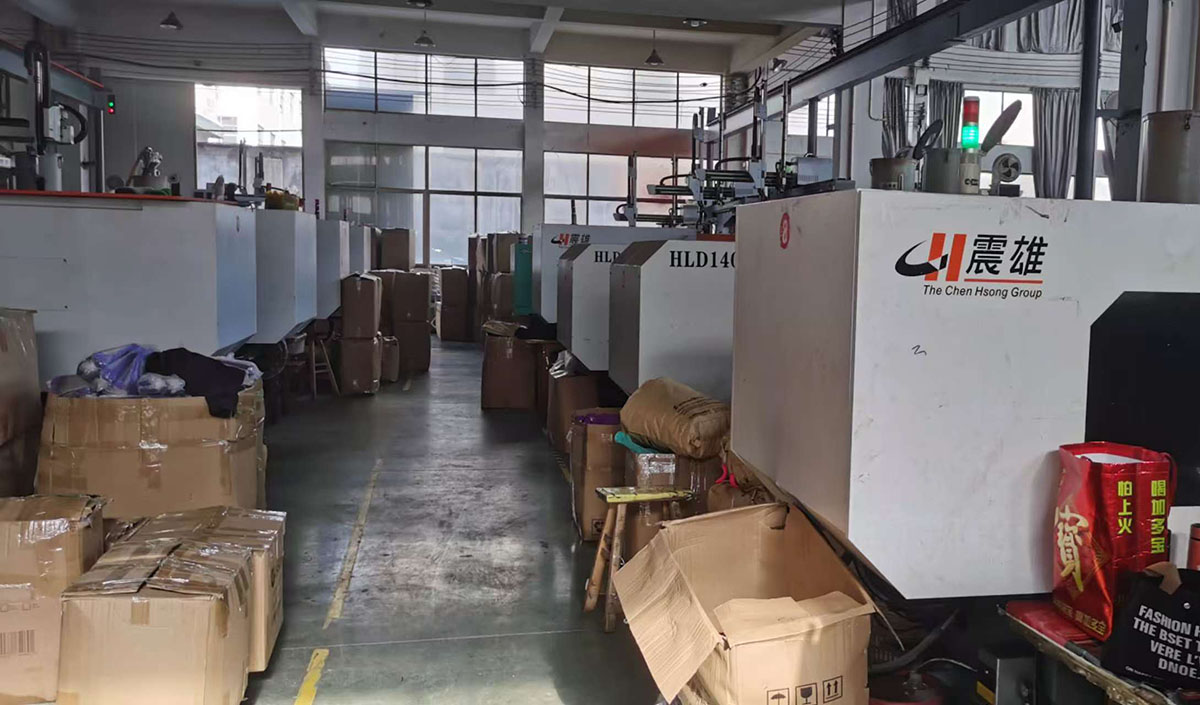
What Is a Factory Audit in China?
A factory audit is an on-site evaluation of a Chinese manufacturer to confirm it is real, capable, and compliant before you transfer a deposit. Unlike a desk check (license, certificates, Alibaba messages), an audit puts a person on the factory floor to count machines, observe workers, inspect the QC lab, and photograph evidence. The goal is simple: prove the supplier can produce your product at the quoted quality, quantity, and lead time — and that it is not a trading company renting a showroom.
The 5 Types of Factory Audits
Not every audit is the same. Choose the type based on your risk and the stage of the relationship.
| Audit Type | Scope | Typical Cost | Duration |
|---|---|---|---|
| Initial / Verification Audit | Confirm factory exists, business license matches site, basic capability to make the product | $200 – $500 | 0.5 – 1 day |
| Ethical / Social Audit (BSCI, SMETA, SA8000) | Labor hours, wages, child labor, fire safety, environment, worker welfare | $800 – $2,000 | 1 – 2 days |
| Quality System Audit (ISO 9001) | QC process, incoming/outgoing inspection, calibration, document control, non-conformance handling | $600 – $1,500 | 1 – 2 days |
| Capacity Audit | Machine count, shift model, real daily output vs claimed monthly capacity, bottleneck stations | $400 – $1,000 | 1 day |
| Security / C-TPAT Audit | Perimeter security, access control, container sealing, cargo security for US imports | $500 – $1,200 | 1 day |
For a first order with a new supplier, an initial + quality system audit is the most common combination. If you sell to EU retailers or Amazon, add the BSCI ethical audit. For high-volume production (100k+ units/year), add the capacity audit so a 30-day lead time doesn't quietly become 60 days.
The Audit Process: 5 Steps
- Prepare the checklist & notify the supplier — list the documents (business license, ISO 9001, BSCI, CE reports) and areas (production floor, QC lab, raw-material warehouse, worker canteen) you want inspected. Give the supplier 5–7 days notice so records are ready; for an unannounced audit, skip the notice.
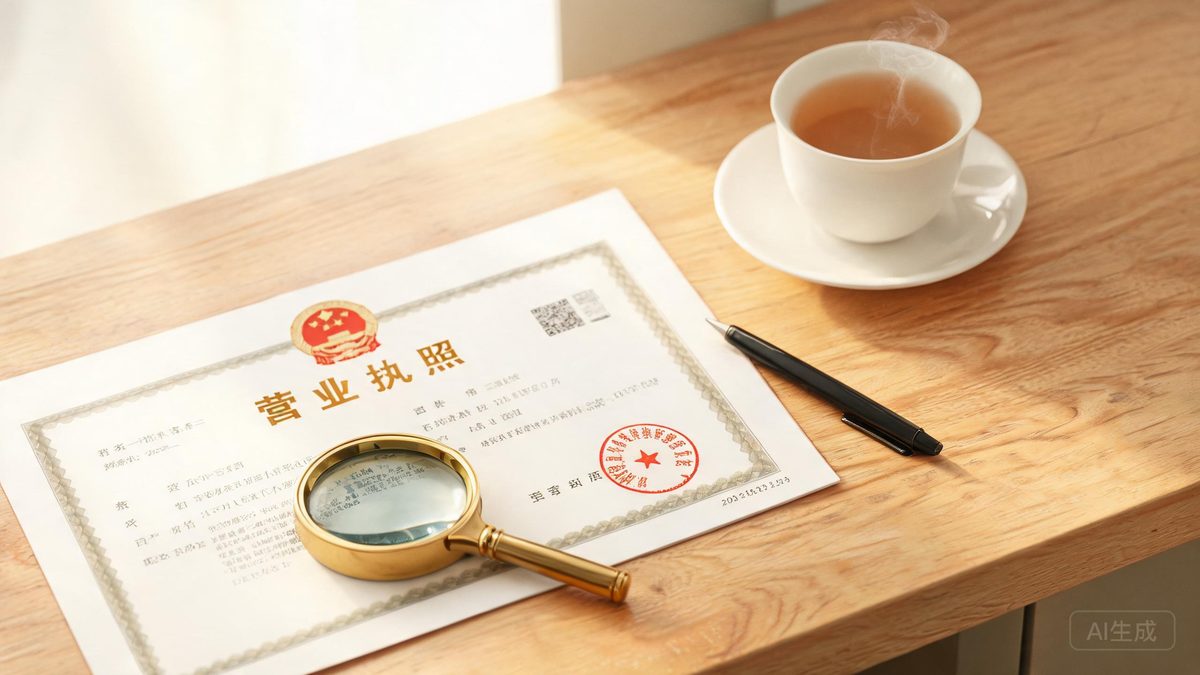
- Desk check before the visit — verify the business license on the official registry (gsxt.gov.cn), confirm the license scope includes your product, and check certificate dates. This step alone rules out obvious fakes.
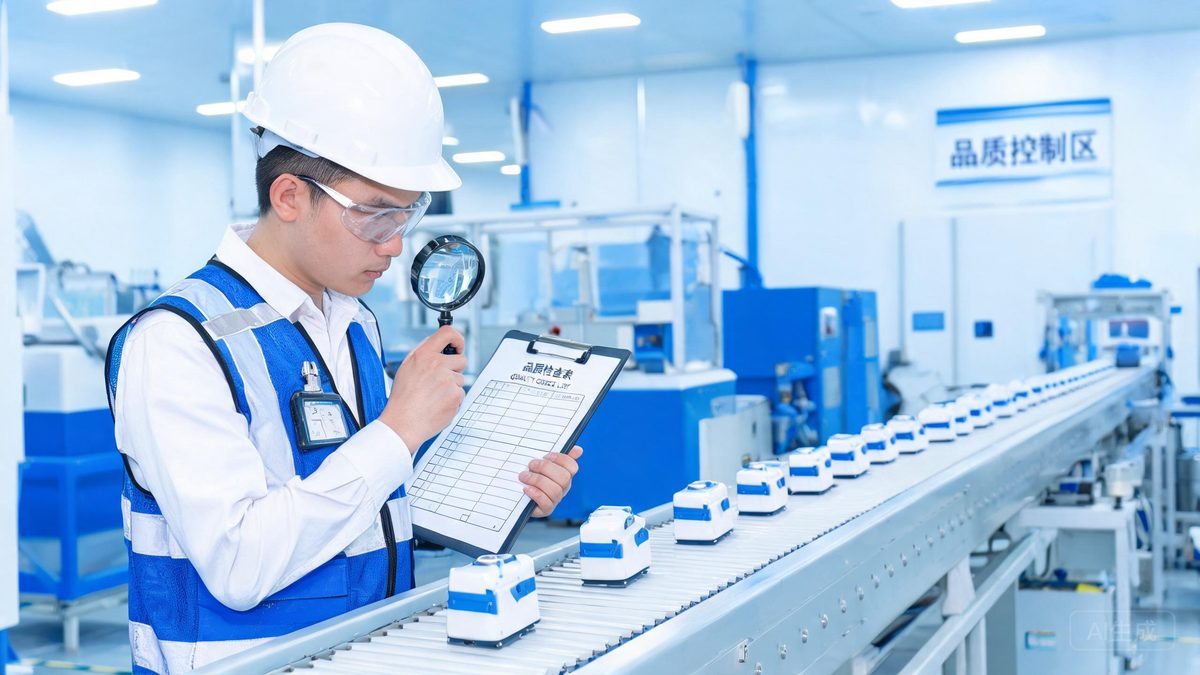
- On-site visit (1–3 days) — the auditor walks the floor, counts running machines, checks the QC lab and inspection records, interviews the production manager, and photographs everything. They also confirm the license address matches the actual gate.
- Report with photos & score — within 2–5 working days you get a PDF report with a numeric score (e.g. 82/100), a Pass / Conditional / Fail grade, and photo evidence of each finding.
- Corrective action plan (CAP) — for a Conditional result, the factory has 14–30 days to fix findings (e.g. add fire extinguishers, calibrate scales). Re-verify before releasing the deposit.
Audit Checklist: What to Verify On-Site
- Business license — registered name, scope includes your product, address matches the site, not revoked.
- Production floor — real machinery running, not just a showroom; count injection-molding / SMT / sewing machines.
- Equipment & output — active machine count, shift model (1 or 2 shifts), real daily output vs the claimed monthly capacity in the quote.
- Workers — headcount on shift, uniforms, whether they look like regular employees or day-workers brought in for the visit.
- QC lab — inspection stations, calibrated measuring tools, incoming & outgoing QC records, test reports for the last 3 months.
- Certificates — ISO 9001, BSCI, CE, FCC, RoHS; check the lab is accredited (CNAS/ILAC) and the report is under 12 months old.
- Working conditions — fire exits, emergency lighting, wages & hours records, no child labor, worker welfare facilities.
- Environment — waste handling, wastewater discharge, hazardous materials storage (for plastics, batteries, chemicals).
Who Performs the Audit?
Three options, each with a different cost/credibility tradeoff:
- Third-party firms (SGS, Bureau Veritas, TUV, Intertek) — accredited, brand-defensible reports accepted by major retailers and Amazon. Cost $500–$2,000, takes 1–3 days on-site + 5–10 days for the report. Best when a retailer or marketplace requires a named auditor.
- Sourcing agent (Yeatru and similar) — faster, cheaper, and practical. A local Mandarin-speaking auditor visits within 24–48 hours, gives you photos + equipment count + a recommendation. Cost $200–$500. Best for initial screening and small-to-mid orders.
- Your own team — full control, but expensive. Flight + hotel + salary for a 3-day Yiwu/Shenzhen trip is typically $1,500–$4,000. Best for large, strategic, long-term partnerships.
Worked Example: A "Factory" That Was Actually a Trading Company
A US Amazon seller got a quote of $4.20/unit for 5,000 silicone kitchen tools from a supplier claiming to be a factory in Ningbo. Before paying a 30% deposit ($6,300), they booked a $350 sourcing-agent audit. The auditor arrived at the registered address and found a 3-room office with 3 workers, no production floor, no silicone presses, and no raw-material stock. The "factory" photos on the supplier's Alibaba page belonged to a different plant. The audit report graded it Fail and the buyer walked away. Cost of the audit: $350. Loss avoided: $6,300 deposit + 5,000 units that would never have shipped. This is exactly why choosing a sourcing agent who offers audit services matters — they catch the fake before you wire money.
Red Flags During a Factory Audit
- Empty or show-only factory floor — machines present but not running, or only a showroom with samples.
- "Borrowed" workers — people brought in for the day who don't know the production process or where tools are kept.
- No QC lab or no records — no inspection stations, no calibration stickers, no outgoing-QC logbooks.
- Fake or expired certificates — ISO/BSCI reports from non-accredited labs, or with dates older than 12 months.
- Address mismatch — the business license address doesn't match the physical gate, or the factory sub-contracts to an un-audited plant.
- No mold/tooling for your product — the supplier can't show the actual mold or tooling that would make your quoted part.
How Yeatru Handles Factory Audits
Yeatru's on-the-ground auditors in Yiwu, Shenzhen, and Ningbo run initial, quality, and ethical audits for buyers who don't want to fly out for every new supplier. Our service includes:
- License & certificate desk check before booking the on-site visit
- On-site audit (1 day standard) with photo/video of the floor, equipment, QC lab, and certificates
- Scored report (Pass / Conditional / Fail) delivered within 48 hours of the visit
- Capacity calculation: real daily output and honest lead-time vs the quoted one
- Referral to accredited third-party firms (SGS, BV) when you need a BSCI/ISO 9001 report for retailers
Frequently Asked Questions
1. How much does a factory audit in China cost?
A third-party audit by SGS, Bureau Veritas or TUV runs $500–$2,000 per audit depending on type and location. A sourcing agent audit costs $200–$500 and is faster (1–2 days). Sending your own team costs the flight + hotel + salary, typically $1,500–$4,000 for a 3-day trip to Yiwu/Shenzhen.
2. What should be on a factory audit checklist?
Cover: business license & scope matching the product; production floor with real running machinery; equipment count vs claimed capacity; worker headcount per shift; QC lab and inspection records; certificates (ISO 9001, BSCI, CE) within 12 months and from an accredited lab; working hours, wages, and fire-safety exits; and environmental/waste handling.
3. Should I use a third-party audit or a sourcing agent audit?
Use a third-party (SGS/BV/TUV) when you need an accredited, brand-defensible report for retailers or compliance (BSCI, SA8000). Use a sourcing agent audit when you want a faster, cheaper, practical check focused on whether the supplier can actually make your product. Many buyers run an agent audit first, then a third-party audit only on the shortlisted factory.
4. How can a sourcing agent help with a factory audit?
A China-based agent sends a local auditor who speaks Mandarin, knows the common trading-company tricks, and can visit the factory within 24–48 hours. The agent report includes photos, equipment count, real capacity, and a recommendation, usually at $200–$500 vs $500–$2,000 for a big third-party firm.
5. What are the red flags in a factory audit?
Red flags include: an empty production floor or only a showroom; "borrowed" workers brought in for the visit; no QC lab or no inspection records; certificates with expired dates or non-accredited labs; the business license address not matching the actual site; and the factory unable to show the mold or tooling for the quoted product.
6. How often should I audit a factory?
Run an initial audit before the first order, then a re-audit every 12 months for ongoing suppliers, plus an ad-hoc audit after any major quality incident, capacity expansion, or ownership change. For regulated products (toys, electronics, food-contact), audit every 6 months and pair it with a third-party compliance inspection.
Conclusion
A factory audit is the cheapest insurance in China sourcing: a $200–$500 agent audit or $500–$2,000 third-party audit verifies the factory is real, capable, and compliant before you transfer a deposit that could be 10–100× the audit cost. Run an initial + quality audit for every new supplier, watch for the six red flags (empty floor, borrowed workers, no QC, fake certs, address mismatch, no tooling), and re-audit annually. If you want a local auditor on the ground within 48 hours, book a factory audit with Yeatru — we deliver a scored, photo-backed report in 2 days.