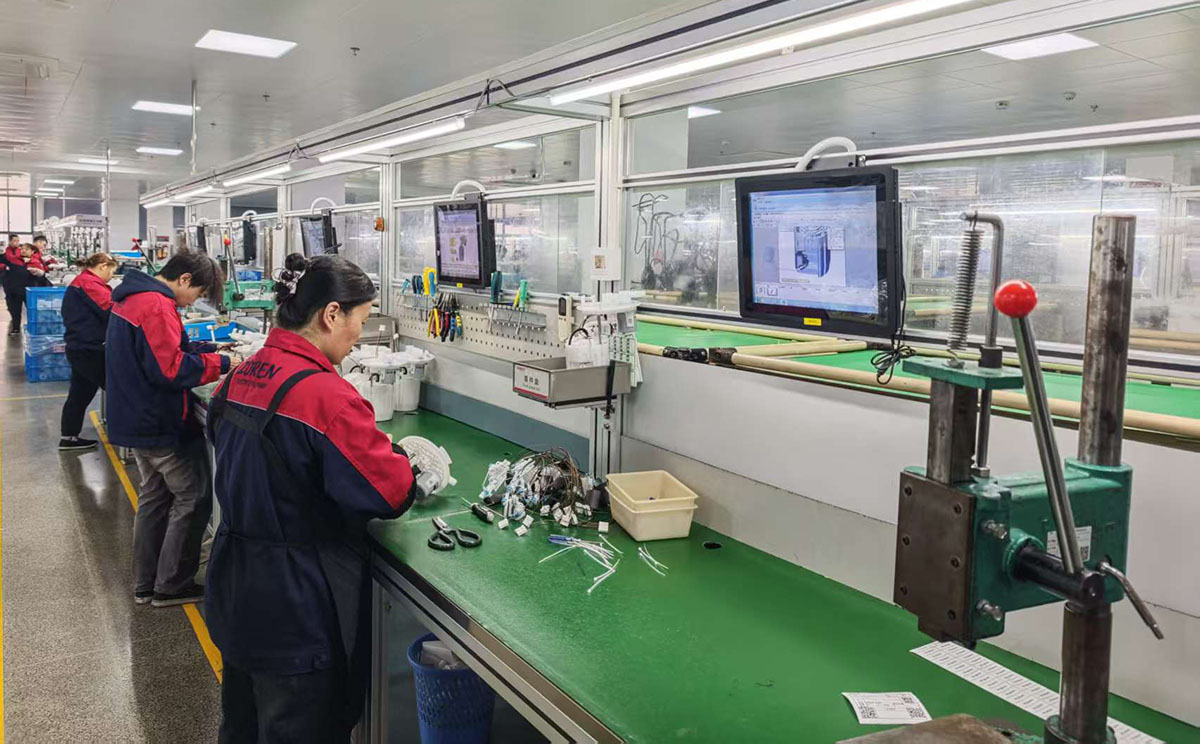
Ordering a sample is the single most important step in importing from China, and the one most beginners skip. A factory photo, an Alibaba listing, and even a video call all look the same whether the underlying product is excellent or defective. The only way to know what you are actually buying is to hold a physical sample in your hand. This guide walks through the complete process of ordering samples from China, the real costs, how to evaluate what you receive, and what to do when a sample fails.
Why Order Samples First
A sample protects you in three ways. First, it verifies quality: the real material, weight, finish, and function, which no photo can confirm. Second, it verifies the factory: a factory that ships a clean, on-spec sample on time is far more likely to deliver a clean bulk order. Third, it sets your golden sample — the approved reference your agent uses for pre-shipment QC inspection. Without a golden sample, you have no objective standard to reject a bad batch against. The cost of a sample is trivial next to the cost of a failed bulk order.
Two Types of Samples
1. Existing / stock samples
An existing sample is a unit the factory already makes — its standard product, unchanged. These ship fast (often within 3-7 days), cost less, and are perfect for evaluating whether a product category works for you before any customization.
2. Custom OEM samples
A custom OEM sample is built to your spec — your logo, colors, materials, or packaging. These take longer (7-15 days, sometimes more for tooling) and may carry a setup or tooling fee. The OEM sample becomes the golden sample your bulk production must match. For OEM, see our related low MOQ sourcing guide.
Sample Costs
Sourcing agents typically charge a flat USD 30-80 per SKU for samples, which covers the factory sample cost, domestic courier to the agent's office, and handling. Many agents refund or credit this fee once you place a bulk order of USD 500 or more. Custom OEM samples can cost more if tooling is involved. Always confirm in writing whether the sample fee is refundable and at what bulk threshold.
Shipping Options for Samples
Samples are small and light, so express courier is usually the best choice. For parcels under 2 kg, expect about USD 15-35 flat by DHL, FedEx, or UPS, with delivery in 3-7 business days. For heavier or multi-SKU sample shipments, air freight at about USD 5-13/kg becomes competitive. Sea freight is almost never worth it for samples because the transit time dwarfs the savings.
How to Evaluate a Sample: 6 Checks
When the sample arrives, evaluate it against six dimensions before you approve the factory.
- Material: Is the actual material what was quoted? Weigh it, bend it, check thickness against spec.
- Finish: Are surfaces, edges, paint, and plating clean and consistent? No burrs, scratches, or color variation.
- Function: Does it do what it should? Test every moving part, button, and feature repeatedly.
- Packaging: Is the retail packaging intact, branded correctly, and strong enough to survive shipping?
- Labeling: Are labels, barcodes, country-of-origin, and warnings correct for your market?
- Compliance: Does it meet your destination rules — CE, FCC, CPC, FDA, or other required marks?
Document everything with photos and notes. This record becomes your golden-sample reference for bulk QC.
Sample Timeline
For stock samples, expect 3-7 days from order to dispatch, plus 3-7 days express shipping — so about 1-2 weeks door-to-door. For custom OEM samples, expect 7-15 days for production (longer if new tooling is needed), plus shipping — so 2-4 weeks. Build this into your launch calendar so a sample delay does not derail your whole timeline.
Red Flags
- A factory refuses to send a sample or demands full bulk payment first.
- The sample arrives much faster than the factory's own lead time suggests (it may be a different, better product than bulk).
- The sample differs from the listing photos in material, weight, or dimensions.
- The factory cannot answer technical questions about the sample's material or certifications.
- Payment is requested to a personal account rather than a company account.
What to Do If a Sample Fails
If the sample fails any of the six checks, do not panic and do not immediately walk away — request a revised sample with the specific fixes in writing. A good factory will correct the issue and send a second sample. If the second sample still fails, or the factory dismisses your concerns, drop the supplier and move to the next on your shortlist. Your agent should manage this back-and-forth for you and confirm the final approved sample in writing as the bulk standard.

