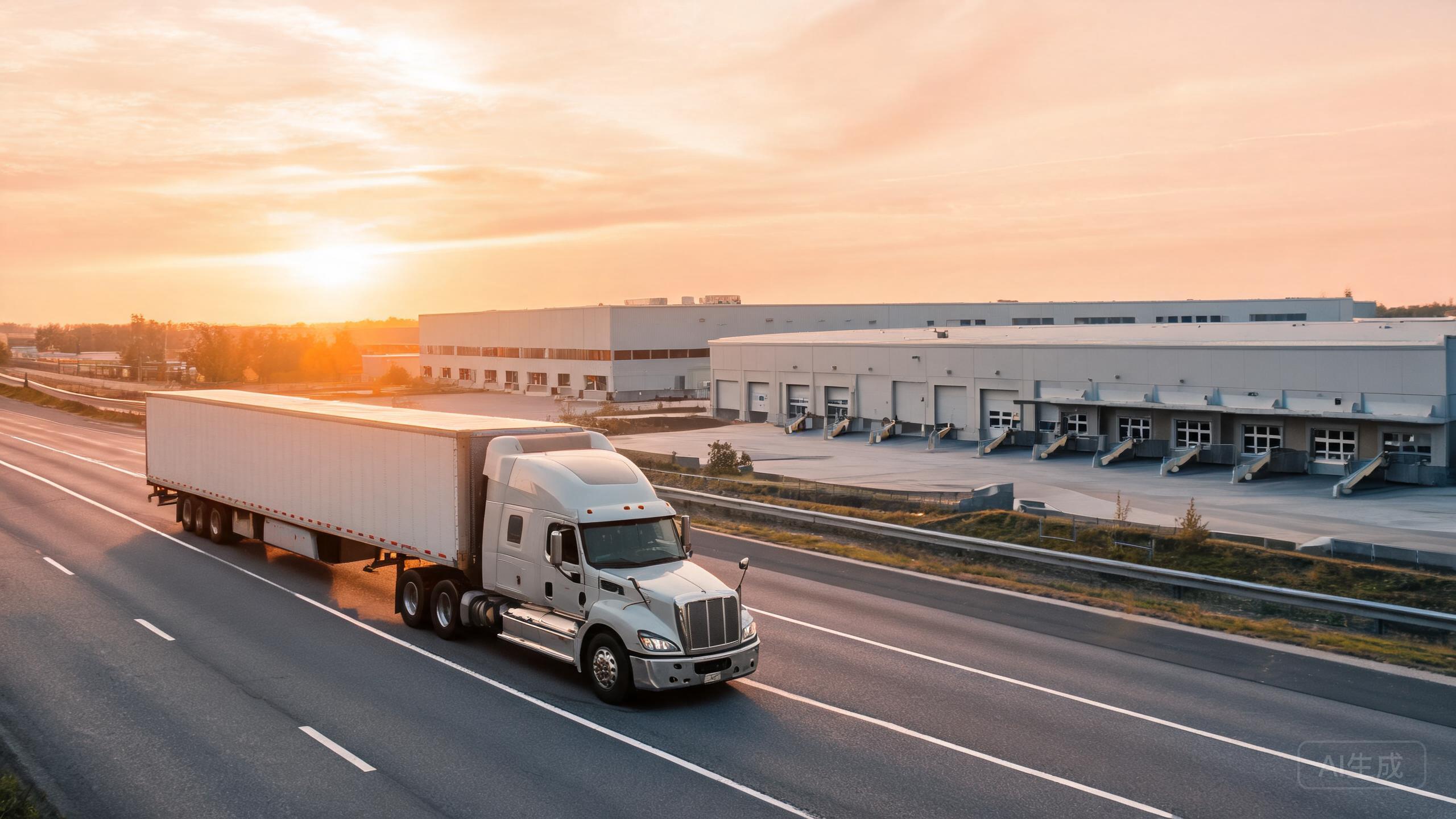
What Are FOB Origin and FOB Destination?
FOB Origin and FOB Destination are US domestic shipping terms used in B2B commerce within the United States. They determine who pays the freight carrier and when title (ownership) and risk of loss transfer between buyer and seller. Despite sharing the "FOB" acronym, these are not the same as the Incoterms FOB used for international sea freight.
- FOB Origin (also called FOB Shipping Point): the buyer pays the freight and takes ownership/risk the moment goods leave the seller's shipping dock.
- FOB Destination: the seller pays the freight and retains ownership/risk until goods arrive at the buyer's location.
These terms are governed by the Uniform Commercial Code (UCC) in the US, not by the ICC's Incoterms rules. Confusing the two can lead to disputes over who bears the cost of lost or damaged domestic shipments.
FOB Origin vs FOB Destination: Side-by-Side Comparison
| Aspect | FOB Origin (Shipping Point) | FOB Destination |
|---|---|---|
| Who pays freight | Buyer | Seller |
| Title transfer | At seller's shipping dock | At buyer's location |
| Risk of loss during transit | Buyer | Seller |
| Typical freight payment | Freight Collect | Freight Prepaid |
| Buyer's leverage | Controls carrier choice & rate | No control over carrier |
| Seller's leverage | No freight cost exposure | Bundles freight into price |
Freight Payment: Collect vs Prepaid
The FOB term determines who is responsible for freight cost, but the actual payment to the carrier is a separate arrangement:
- Freight Collect: the carrier collects the freight charge from the buyer (receiver) at delivery. Typical under FOB Origin.
- Freight Prepaid: the seller pays the carrier upfront and may include the freight in the invoice. Typical under FOB Destination.
- Freight Prepaid & Add: the seller pays the carrier and adds the freight charge to the buyer's invoice. Sometimes used under FOB Origin when the seller has better carrier rates.
- Freight Collect & Allowed: the buyer pays the carrier but deducts the freight from the seller's invoice. Rare.
In practice: FOB Origin = Freight Collect (buyer pays carrier) and FOB Destination = Freight Prepaid (seller pays carrier). The combinations can vary, so always confirm both the FOB term and the freight payment method on the PO.
Title Transfer: Why It Matters
Under the UCC, title passes at the FOB point:
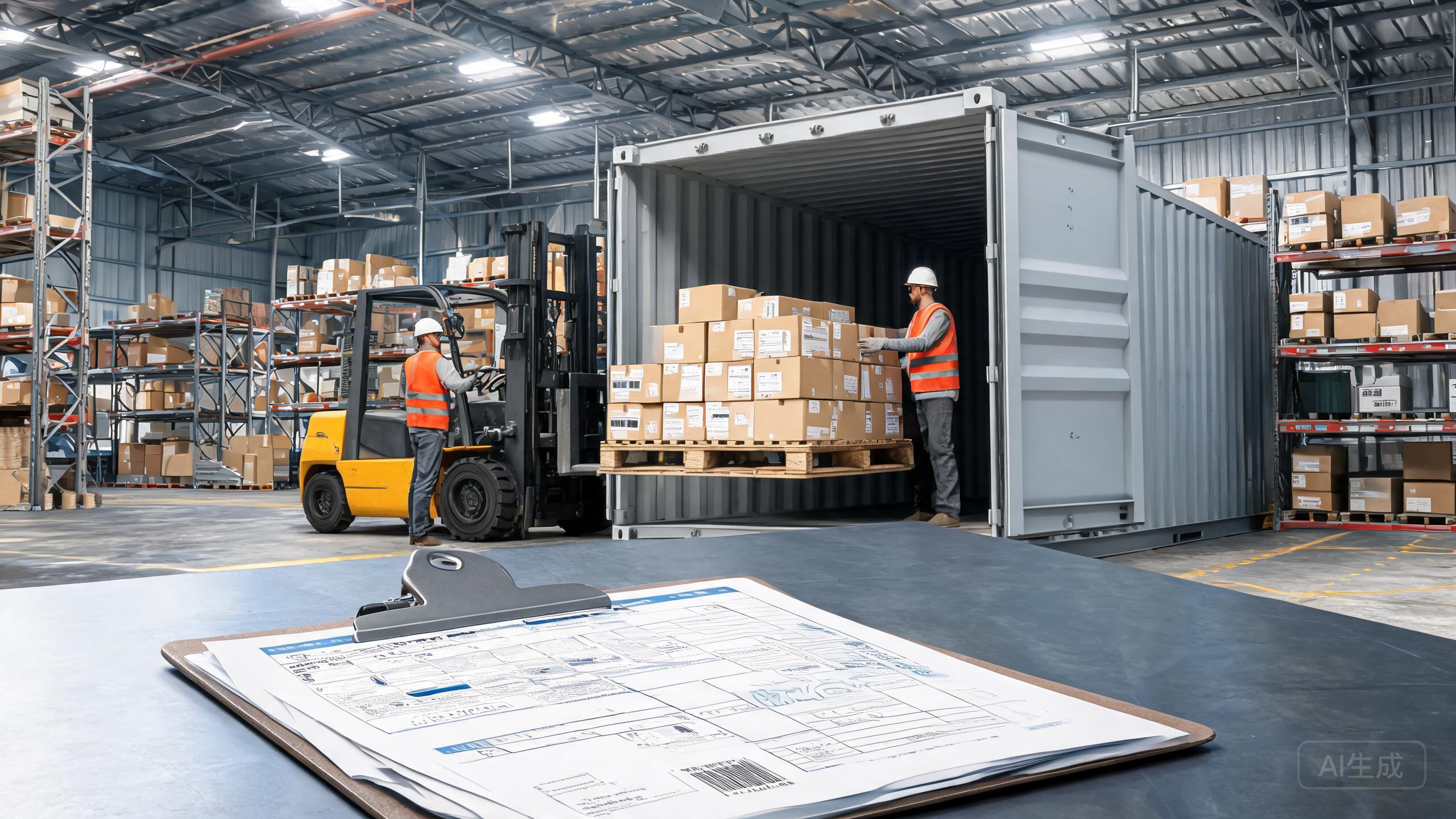
- FOB Origin: title passes to the buyer when the carrier picks up the goods at the seller's dock. If the truck crashes, the goods are the buyer's loss — the buyer files the insurance claim.
- FOB Destination: title remains with the seller until the goods are delivered to the buyer. If the truck crashes, the goods are the seller's loss — the seller must replace them or refund.
This is critical for accounting and insurance. Under FOB Origin, the buyer should have cargo insurance in place from the moment goods leave the seller. Under FOB Destination, the seller retains the insurance obligation until delivery.
How This Relates to International Sourcing from China
FOB Origin and FOB Destination are domestic US terms and don't directly apply to shipments from China. But they often appear in the domestic leg of an international shipment:
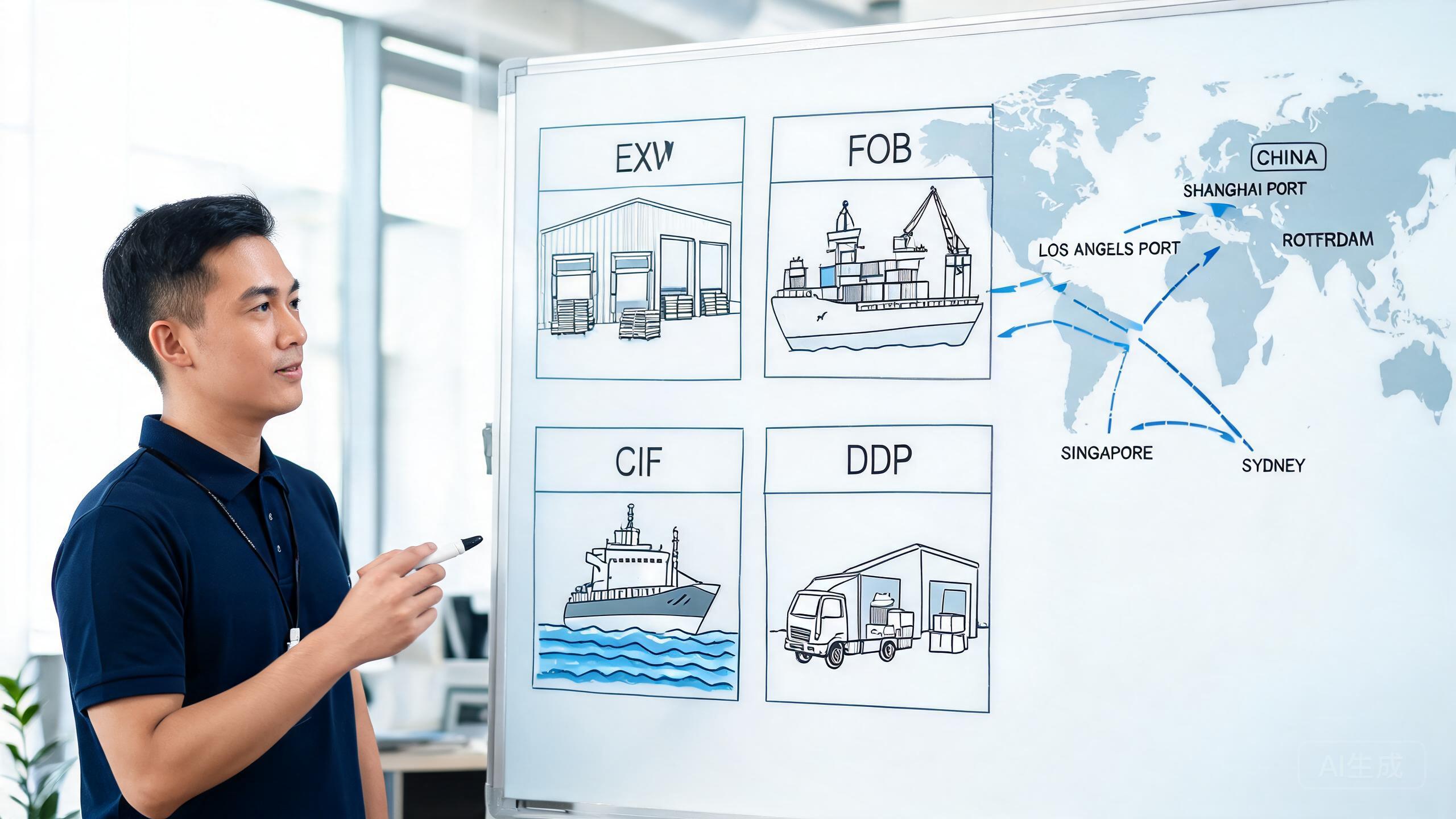
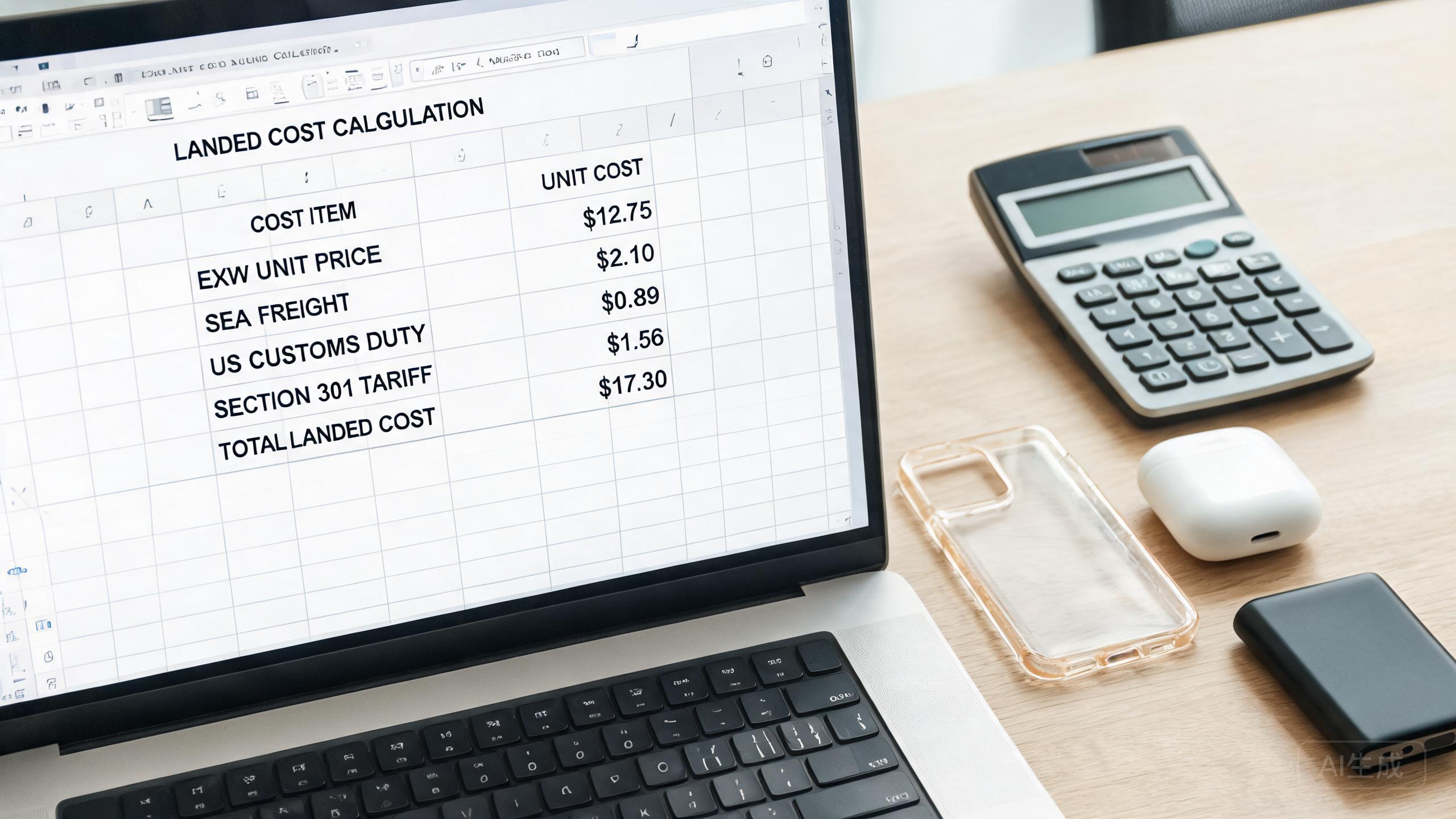
- China → US port: governed by Incoterms (FOB, CIF, DDP, etc.). The Incoterm decides who pays the international ocean/air freight and when risk transfers at the international level.
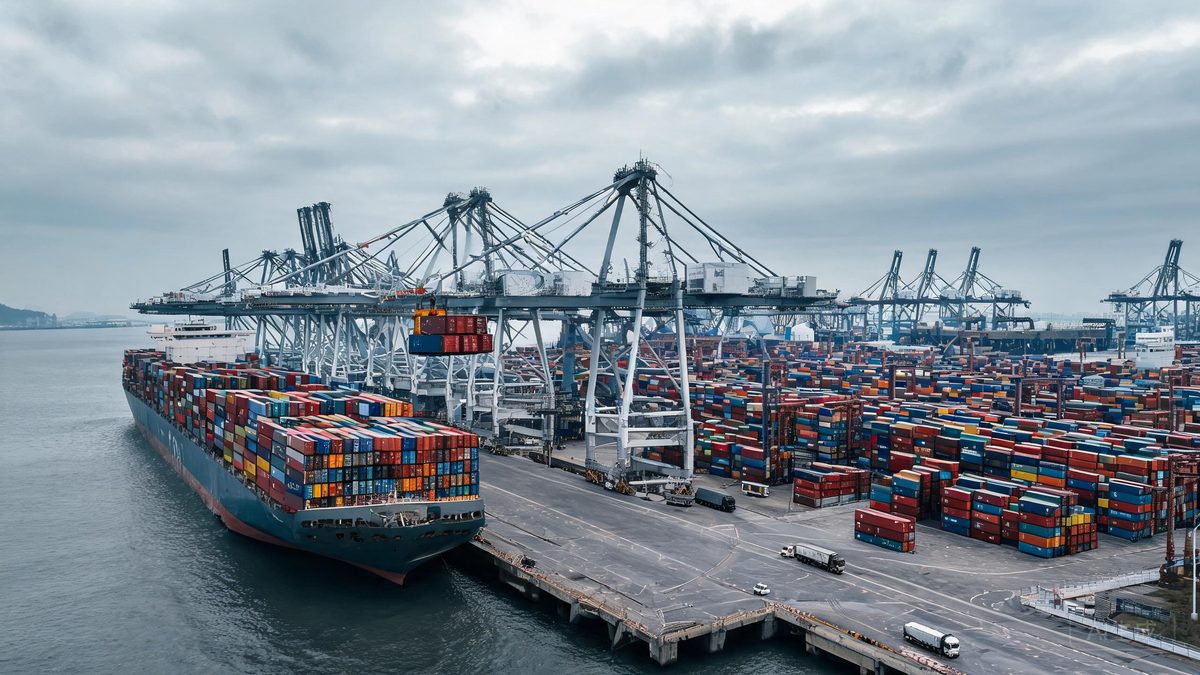
- US port → your warehouse: the domestic trucking leg may be quoted as FOB Origin (you pay drayage from port) or bundled into a DDP quote (the forwarder handles it).
When a US forwarder quotes "FOB Origin" for the port drayage, they mean you pay the trucking from the port to your door. When they quote "FOB Destination," they pay it (and bundle it into their fee).
US Domestic vs International FOB: The Confusion
The biggest source of confusion: "FOB" means different things in US domestic vs international trade:
| US Domestic FOB (UCC) | Incoterms FOB (International) | |
|---|---|---|
| Governing rule | Uniform Commercial Code | ICC Incoterms 2020 |
| Meaning | Free On Board (origin or destination) | Free On Board a vessel |
| Transport mode | Any (truck, rail, etc.) | Sea & inland waterway only |
| Variants | FOB Origin, FOB Destination | FOB [named port of shipment] |
| Risk transfer | At origin or destination | On board the vessel |
If a Chinese supplier quotes "FOB Ningbo," they mean the Incoterms FOB — goods on board the vessel at Ningbo, you pay ocean freight. If a US trucking company quotes "FOB Origin," they mean domestic FOB — you pay the trucking from origin.
How Yeatru Handles US Domestic Terms
For international shipments from China, Yeatru uses Incoterms (FOB, CIF, DDP). For the US domestic drayage leg, we clearly state whether the port-to-door trucking is collect (you pay) or prepaid (bundled). On DDP quotes, all freight — international and domestic — is bundled into one all-in price with no ambiguity.
Frequently Asked Questions
1. What is the difference between FOB Origin and FOB Destination?
Under FOB Origin (FOB Shipping Point), the buyer pays freight and takes ownership/risk when goods leave the seller's dock. Under FOB Destination, the seller pays freight and retains ownership/risk until goods arrive at the buyer's location. These are US domestic shipping terms under the UCC.
2. Is FOB Origin the same as Incoterms FOB?
No. FOB Origin is a US domestic shipping term (UCC) meaning the buyer pays domestic freight and risk transfers at the seller's dock. Incoterms FOB is an international sea-freight term meaning the seller delivers goods on board a vessel and the buyer pays ocean freight. They share the acronym but are governed by different rules.
3. Who pays freight under FOB Origin?
The buyer pays freight under FOB Origin. Typically this is arranged as Freight Collect (the carrier collects from the buyer at delivery), but it can also be Freight Prepaid & Add (the seller pays and adds to the invoice).
4. Who bears the risk of loss under FOB Destination?
The seller bears the risk of loss during transit under FOB Destination. Title and risk transfer only when the goods are delivered to the buyer's location. If goods are damaged en route, the seller must replace them or issue a refund.
5. What does "Freight Prepaid and Add" mean?
Freight Prepaid & Add means the seller pays the freight carrier upfront and then adds the freight charge to the buyer's invoice. It's often used with FOB Origin when the seller has better carrier rates or the buyer doesn't have a carrier account. The buyer can usually request "Freight Collect" instead to use their own carrier.
6. How does FOB Origin/Destination apply to shipments from China?
FOB Origin and FOB Destination apply to the US domestic leg (port drayage, last-mile trucking), not the international ocean/air leg. The international leg uses Incoterms (FOB, CIF, DDP). If you buy DDP from China, the forwarder handles both the international freight and the US domestic trucking — no FOB Origin/Destination decision needed.
Conclusion
FOB Origin and FOB Destination are US domestic shipping terms that decide who pays freight and when title transfers — not the same as Incoterms FOB. FOB Origin shifts freight cost and risk to the buyer at the seller's dock; FOB Destination keeps them with the seller until delivery. Always specify both the FOB term and the freight payment method (Collect vs Prepaid) on your PO to avoid disputes. For international shipments from China, these terms apply to the domestic US leg only — the international leg uses Incoterms. Get a shipping quote from Yeatru with clear FOB/Incoterms and freight-payment terms.